
Self-Emptying vs. Standard Docks: Long-Term Convenience Analyzed (Real Costs, Maintenance & Who Actually Benefits)
Aaron Cooper1. Introduction: Is “Hands-Free Cleaning” Really Hands-Free?
“Hands-free cleaning” sounds like the ultimate upgrade—set a schedule, forget about it, and enjoy spotless floors. But here’s the uncomfortable truth: you’re not eliminating maintenance, you’re redistributing it.
So the real question isn’t “Which is better?” It’s: Where do you want the effort to live—small daily tasks, or occasional bigger ones?
2. What’s the Real Difference Between Self-Emptying and Standard Docks?
2.1 Standard Dock: Simple Charging, More Hands-On Work
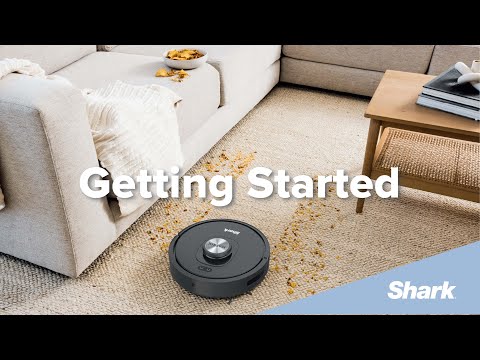
At first glance, a standard dock feels refreshingly simple. It’s basically a parking spot with a charger. Your robot finishes cleaning, rolls back, and waits for the next run. That’s it.
But here’s where reality kicks in.
Miss a day? The bin overfills. Suction drops. Cleaning quality dips. Suddenly your “automated” routine starts depending on your memory again.
Over time, this becomes a rhythm:
- Clean
- Empty
- Reset
- Repeat
It’s not hard work. But it’s constant. And constant is what wears you down.
The upside? Fewer parts, fewer things to break, and zero ongoing bag costs. If you’re okay trading a few minutes of routine for simplicity, a standard dock still gets the job done—just not quietly in the background of your life.
2.2 Self-Emptying Dock: Automation That Stores Weeks of Dust
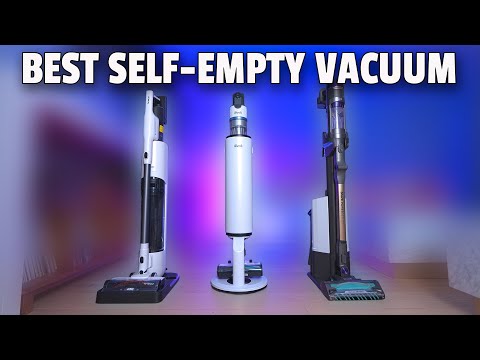
Now imagine this instead: your robot finishes cleaning, docks itself—and you hear a short, powerful whoosh. In seconds, all that dust, pet hair, and crumbs are sucked out of the robot and sealed away in a larger container.
You don’t touch it. Not today. Not tomorrow. Maybe not for weeks.
That’s the core magic of a self-emptying dock.
Instead of dealing with debris after every run, the system transfers everything into a larger bag or bin designed to hold weeks of dirt—often around 30 to 60 days of debris storage depending on usage. In real life, that means your interaction drops from “every cleaning” to “once in a while.”
And the effect isn’t just convenience—it’s consistency.
Because the robot starts every run with an empty bin, it maintains airflow and cleaning performance. No slow degradation. No “I’ll empty it later” compromises.
But here’s the catch: this convenience comes with a bigger, more complex base. You’ll occasionally replace bags, check for clogs, and maintain the dock itself.
Still, for many households, the trade-off feels obvious. You’re not just saving time. You’re removing a recurring interruption from your life.
2.3 The Key Trade-Off: Fewer Interactions vs More Complex Systems
So which one actually makes life easier? It comes down to a simple trade-off—but one that plays out very differently over time.
| System Type | Primary Benefit | Primary Drawback |
|---|---|---|
| Standard Dock | Reliable, minimal, and predictable | Constant manual involvement |
| Self-Emptying Dock | Automates the most annoying part | More components and maintenance points |
And yes, that complexity matters. Self-emptying systems bring:
- Larger physical footprint
- Louder (but brief) emptying cycles
- More maintenance points (bags, sensors, air channels)
- Occasional issues like clogs or false alerts
Standard docks avoid all of that—but demand your time instead. So the real decision isn’t about technology. It’s about lifestyle.
Do you prefer:
- Small, frequent tasks you control?
- Or fewer interactions, managed by a more complex system?
3. How Much Time and Effort Do You Actually Save Over Years?

3.1 Weekly Chores Compared: Manual Emptying vs Bag Replacement
Let’s zoom in on what your actual week looks like—not marketing promises, but real habits.
With a standard dock, the routine is relentless. Every run (or every couple of runs if you’re lucky), you’re emptying the bin. In many homes—especially with pets—that’s several times per week, sometimes daily. It sounds minor… until it becomes a habit you can’t skip.
Now contrast that with a self-emptying dock.
Instead of interacting with the robot constantly, you’re swapping out a dust bag every few weeks. That’s it. No daily interruptions. No “oh right, I forgot to empty it.”
According to aggregated usage patterns, this shift reduces dust-handling from hundreds of small interactions per year to just a handful of bag changes. The difference isn’t just time—it’s frequency. And frequency is what creates friction.
3.2 Annual Time Savings: Small Minutes Add Up
Individually, each bin empty might take only a minute or two. It feels trivial. Easy to ignore. But stack those minutes over a year? They quietly turn into hours.
A typical mid-size home running a robot a few times per week can spend around 2–5+ hours per year just emptying dustbins and handling debris. Switch to a self-emptying dock, and that drops dramatically—often to under an hour annually.
That’s not life-changing in a single week. But stretch it across a realistic ownership lifespan—say 4 to 6 years—and suddenly you’re reclaiming 10+ hours of repetitive, low-value chores.
Ten hours of:
- walking to the trash
- tapping dust out of filters
- dealing with stray hair clouds
Gone. It’s not about dramatic time savings. It’s about eliminating a task you never enjoyed in the first place.
3.3 The Hidden Benefit: Reduced Mental Load and Better Cleaning Consistency
Here’s the part most people don’t expect—and arguably the biggest upgrade. It’s not the time. It’s the mental load.
With a standard dock, cleaning depends on you remembering:
- Is the bin full?
- Did I empty it after the last run?
- Should I run it today, or deal with it later?
And when life gets busy? You skip it. Everyone does. That’s how “automated cleaning” quietly turns back into manual effort. Self-emptying docks flip that behavior.
Over time, this creates a noticeable difference in your home. Not because the robot is smarter. But because you stopped interfering with it. It becomes what it was always meant to be: Set it. Forget it. Actually forget it.
4. Cost vs Value: Is the Convenience Worth the Price?
4.1 Upfront and Ongoing Costs You Should Expect
Let’s address the uncomfortable part first: convenience isn’t free.
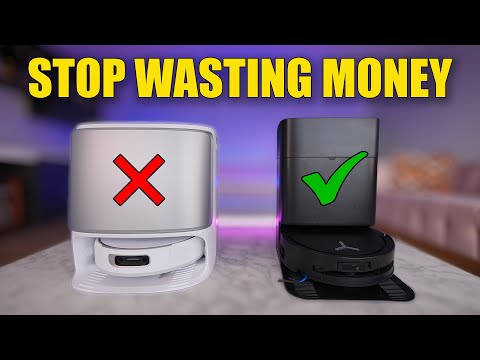
A self-emptying dock typically adds $200–$400 upfront compared to the same robot with a standard charging base. That’s the price of automation before you even press “start.”
Then come the ongoing costs.
Instead of free bin dumping, you’re now buying:
- Dust bags every few weeks
- Occasional dock filters
- Potentially higher repair costs if something goes wrong
Across a typical ownership window (3–5 years), those small expenses stack into hundreds of dollars in additional cost.
Meanwhile, a standard dock? Almost nothing extra. No bags. No special consumables. Just the same brushes and filters you’d replace anyway.
So why do people still upgrade?
Because the cost isn’t just financial—it’s behavioral.
With a standard dock, you “pay” in time and attention. With a self-emptying system, you shift that cost into money instead.
Think of it like food:
- Cooking at home (standard dock): cheaper, but requires effort every day
- Meal delivery (self-emptying): more expensive, but friction disappears
Neither is objectively better. It depends on what you value more.
Are you buying a feature—or buying your time back?
4.2 Cost per Hour Saved: A Practical Way to Think About Value
Raw prices don’t tell the full story. What matters is what you get in return.
So let’s translate this into something more tangible: cost per hour saved.
In a typical home, switching to a self-emptying dock saves roughly a couple of hours per year—sometimes more in pet-heavy households. Over several years, that adds up to a meaningful chunk of reclaimed time.
Now compare that to the extra money you’re spending:
- Upfront premium
- Recurring bag costs
When you divide those costs by the hours saved, you’re effectively “paying” somewhere in the range of tens of dollars per hour to avoid repetitive chores.
And here’s the honest truth:
If you’re the kind of person who doesn’t mind quick, routine tasks, this math won’t impress you.
But if you hate repetitive chores—the kind that interrupt your evening or pile up mentally—then that trade suddenly feels very different.
Because you’re not just saving time. You’re removing friction from your daily life. And for many households, that’s worth more than the raw numbers suggest.
4.3 Who Actually Benefits Most (and Who Doesn’t)
Here’s where things get real. Not every home benefits equally—and buying the wrong setup is how people end up disappointed.
Let’s break it down by lifestyle.
Best For (Self-Emptying)
- Pet owners: Pet hair fills bins fast. Daily emptying becomes unavoidable.
- Frequent cleaners: Daily cleaning multiplies the number of bin dumps.
- Large homes: Bigger spaces = more debris = more interruptions.
- Allergy sufferers: Sealed bags dramatically reduce dust exposure.
Overkill For (Standard Dock)
- Small apartments: Emptying the bin once or twice a week is minimal effort.
- Light usage: Low usage = minimal benefit from automation.
- Simplicity seekers: More parts = more potential issues.
Here’s the bottom line:
Self-emptying docks aren’t about better cleaning. They’re about removing a repeated annoyance.
If that annoyance barely exists in your home, don’t pay to solve it.
5. Performance, Hygiene, and Reliability: What Changes in Daily Use?
5.1 Suction Consistency and Cleaning Performance Over Time
At first, both systems clean similarly. Same robot, same suction, same results.
But give it a few weeks—and the difference starts creeping in.
With a standard dock, everything depends on you. If the bin gets too full or the filter starts clogging, airflow drops. Suction weakens. And suddenly, that “automated” clean isn’t so thorough anymore.
Skip a day or two? It gets worse.
That’s why independent testing consistently shows more stable long-term cleaning performance in self-emptying systems—not because they’re more powerful, but because they stay in their optimal state.
In real life, this matters most in:
- Homes with pets
- Carpet-heavy spaces
- Large areas where bins fill quickly
It’s not about peak performance. It’s about consistency.
5.2 Hygiene and Allergen Exposure: Bagged vs Manual Emptying
Now let’s talk about something most people underestimate—until they experience it.
Dust exposure.
Emptying a standard robot bin sounds simple… until you see that cloud of fine dust puff back into the air. Pet dander, pollen, microscopic debris—it’s all there. And you deal with it every single time.
Self-emptying docks flip that experience completely.
Instead of handling loose debris, everything gets transferred into a sealed system. When it’s time to dispose of it, you remove a bag, seal it, and throw it away. Quick. Contained. Done.
The difference is especially noticeable if you:
- Have allergies or asthma
- Own pets
- Vacuum frequently
Fewer interactions. Less airborne dust. Cleaner process. Even in everyday use, it just feels better.
5.3 Noise, Clogs, and Long-Term Reliability Trade-Offs
Here’s where things get a bit less glamorous.
Self-emptying docks are not silent, simple machines. They’re more like mini vacuums inside your vacuum system. And that comes with trade-offs.
Reliability: More components = more potential failure points:
- Sensors
- Air channels
- Dock motors
- Bag detection systems
Standard docks avoid almost all of this simply by… not doing anything complicated.
| System Type | Pros | Cons |
|---|---|---|
| Standard Dock | Simple, quiet, reliable | Hands-on maintenance |
| Self-Emptying | Automated, consistent | Complex, noisy, higher cost |
Neither is perfect. But if you go in expecting “zero maintenance,” you’ll be disappointed. Because even the smartest dock still needs a little human help.
6. Conclusion: Which Dock Type Fits Your Home and Lifestyle?
So, is “hands-free cleaning” actually hands-free?
Not quite—but it’s close enough to change your daily life.
Self-emptying docks don’t eliminate maintenance. They compress it. Instead of constant small chores, you get occasional, slightly bigger ones. And for many households, that shift alone feels like a huge upgrade.
If your home is busy—pets, kids, daily cleaning—this is where self-emptying truly shines. You’ll get more consistent performance, less dust exposure, and fewer interruptions.
But if your space is small, your usage is light, or you simply don’t mind a quick bin empty, a standard dock remains the smarter, simpler choice.
In the end, it’s not about features. It’s about friction.
Choose the setup that removes the kind of friction you actually feel—and you’ll get the most value out of your robot, every single day.
FAQ
Q: Is a self-emptying robot vacuum worth the extra cost?
A: It depends on your lifestyle. For pet owners and large homes, the reduction in daily maintenance and more consistent cleaning performance often justifies the $200-$400 premium and ongoing bag costs, effectively buying back hours of your time each year.
Q: How often do you need to empty a self-emptying dock?
A: Most self-emptying docks are designed to hold between 30 to 60 days of debris. However, this frequency varies based on your home size, the presence of shedding pets, and how often you schedule the robot to clean your floors.
Q: Are self-emptying docks louder than standard charging bases?
A: Yes. When the robot returns to the dock, a powerful suction motor activates for 10-30 seconds to clear the onboard bin. While brief, this process is significantly louder than the robot's normal vacuuming noise levels.
Q: Do self-emptying bases require special trash bags?
A: Most models use proprietary disposable dust bags that seal automatically upon removal. While these increase hygiene by preventing dust clouds, they represent a recurring cost that standard docks, which use manual bin dumping, do not have.
Q: Can a self-emptying dock get clogged?
A: Yes. Large debris, damp messes, or excessive pet hair can occasionally block the suction path between the robot and the dock. Maintenance involves checking the air channels and ensuring the sensors are clean for optimal performance.