
Aiper Seagull SE: Budget Cordless Specs and User Complaints – Is This Pool Robot Worth It?
Aaron Cooper1. Introduction
There’s something incredibly tempting about a budget cordless pool robot. No hoses. No setup. Just drop it in and walk away. That’s exactly the promise behind the Aiper Seagull SE—a simple, affordable way to escape the back-breaking routine of vacuuming your pool by hand.
The big question isn’t whether it works—it’s whether it works well enough to truly replace manual cleaning… or just adds another chore to your routine.
2. Aiper Seagull SE Specs Explained: What You Actually Get
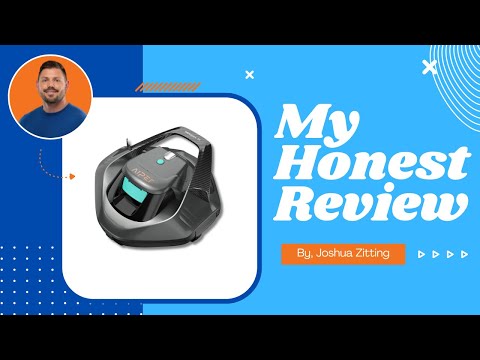
2.1 Core Specs: Battery, Runtime, Coverage, and Pool Compatibility
On paper, the Aiper Seagull SE looks like a solid entry-level option. It’s a cordless, battery-powered cleaner designed for simplicity, with an advertised runtime of 90 minutes and a charging time of around four hours. Its filtration system runs at roughly 1,320 gallons per hour flow rate, which sounds respectable for a budget unit.
| Feature | Specification |
|---|---|
| Cleaning Area | Floor Only (Flat Bottom) |
| Battery Life | Up to 90 Minutes |
| Charging Time | Approx. 4 Hours |
| Flow Rate | 1,320 GPH |
In real-life terms, that means if your pool isn’t perfectly flat, you’re already compromising. And even in ideal conditions, it’s only addressing part of the cleaning job. The floor might look better, but walls and waterline grime? Still your problem.
This is where expectations need a reset. The Seagull SE isn’t a full pool solution—it’s more like a helper that tackles the easiest part of the job.
2.2 Cordless Convenience vs Real-World Limitations
Let’s be honest—cordless is the main selling point here. No tangled cables. No dragging hoses across the yard. You press a button, drop it in, and it starts moving. That first experience feels amazing.
And for a moment, it delivers. You watch it glide across the pool floor, picking up leaves and debris, and think, “Finally, I’m done with manual cleaning.”
"So yes, it removes the hassle of cords. But it quietly replaces it with a new routine: charge, drop, retrieve, repeat."
But then reality creeps in. Because cordless convenience comes with trade-offs. That same battery that frees you from cords also limits how long—and how effectively—the robot can clean. Once the cycle ends, you’re pulling it out, waiting hours for a recharge, and often putting it back in again to finish the job.
And retrieval? Still manual. Despite features like self-parking near the wall, you’re still fishing it out with a hook and dealing with cleanup afterward. If your goal is less work, that trade-off matters more than it first appears.
3. Real User Complaints: Where the Seagull SE Falls Short
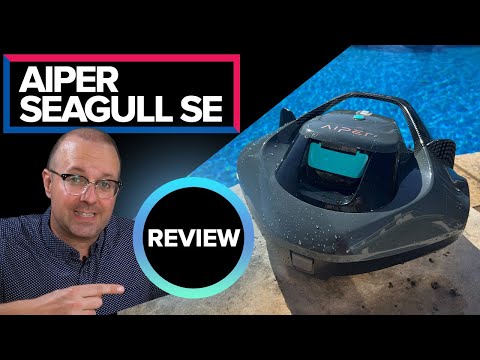
3.1 Battery Problems: From 90 Minutes to 30 Minutes
Battery life is where the biggest gap between expectation and reality shows up. The Seagull SE is marketed with a 90-minute runtime, which sounds perfect for a full cleaning cycle. But real-world usage tells a different story. Many users report closer to 60 minutes right out of the box—and even worse, that runtime can drop to around 30 minutes after just a few weeks of use.
Think about what that actually means. You drop it in, walk away, and before your pool is even fully covered… it’s done. Now you’re pulling it out, waiting roughly four hours to recharge, and repeating the process just to finish a basic clean. That’s not convenience. That’s babysitting.
3.2 Weak Suction and Poor Filtration
Now imagine this: you run a full cleaning cycle, come back expecting a spotless pool… and still feel grit under your feet. That’s the frustration many users report with the Seagull SE’s cleaning performance. The issue starts with weak suction. While it can handle larger debris like leaves, it struggles with finer particles—sand, silt, and the stuff that actually makes your pool feel dirty.
- Struggles with fine sand and silt
- Static (non-rotating) brushes offer no scrubbing action
- Flat filter design tends to clog quickly
- Requires manual brushing of the pool even after a cycle
The result? You still end up brushing the pool manually after each run. So instead of replacing your cleaning routine, the Seagull SE often becomes just one step in it.
3.3 Random Navigation and Missed Spots
Here’s where things start to feel… chaotic. The Seagull SE doesn’t use smart navigation systems like LiDAR or any kind of systematic cleaning logic. Instead, it relies on random movement—bumping, turning, and wandering across the pool floor.
- It cleans the same spot multiple times
- Completely misses other areas
- Gets stuck on drains, steps, or wrinkles
Over time, you realize something frustrating: it’s not cleaning your pool evenly. You’re left with patches of debris that never get touched unless you step in and reposition the robot yourself. That defeats the whole purpose of automation.
3.4 No Wall Climbing, No Slopes, No True Automation
This is the limitation that ties everything together. The Aiper Seagull SE doesn’t climb walls. It doesn’t clean the waterline. And it struggles—or completely fails—on anything that isn’t a perfectly flat pool floor.
Pros
- No tangled cables or hoses
- Affordable entry-level price
- Simple one-button operation
Cons
- No wall or waterline cleaning
- Struggles on slopes and inclines
- Requires frequent manual repositioning
It means a huge portion of your pool—the walls where algae builds up, the waterline where oils and debris collect—still needs to be cleaned manually. Every time. Even worse, slight slopes or inclines can cause the robot to lose traction or get stuck entirely. Some users report needing to reposition it multiple times during a single cycle just to keep it moving.
4. Cordless vs Corded Pool Robots: Is Budget Convenience Worth It?
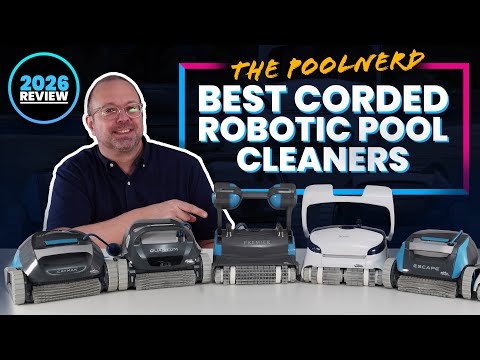
4.1 Power and Cleaning Performance Gap
Here’s the uncomfortable truth most buyers only realize after a few weeks: not all “robotic cleaners” are created equal.
On paper, the Aiper Seagull SE looks capable. In reality, its cleaning power sits in a completely different league from corded robots. We’re talking about roughly 20 GPM of suction versus 65+ GPM on entry-level corded models. That’s not a small gap—it’s the difference between lifting debris in one pass… and pushing it around until you give up.
You feel this difference immediately. With the Seagull SE, fine debris like sand tends to linger. With a corded cleaner, it’s gone in one cycle.
So while cordless sounds freeing, it comes at a cost: weaker motors, less effective filtration, and more repeat cleaning. And when you’re still brushing the pool afterward, you have to ask—what exactly did the robot save you?
4.2 Navigation, Coverage, and True Automation
Now let’s talk about something even more important than power: intelligence.
Corded robots don’t just move—they plan. Many use systematic navigation (think of it like mowing your lawn in neat rows instead of wandering randomly), ensuring every inch of your pool gets covered. Some even include programmable timers, so your pool gets cleaned automatically while you’re at work.
The Seagull SE? It bumps. It turns. It guesses.
There’s no mapping, no route optimization, no memory of where it’s been. The result is exactly what users report: over-cleaned patches right next to completely untouched areas.
So while cordless promises freedom, the reality is different. You’re trading scheduled automation for manual supervision. That’s not automation. That’s micromanagement.
4.3 Maintenance, Durability, and Long-Term Costs
This is where budget decisions come back to bite.
At first glance, the Seagull SE feels like a low-risk purchase. But over time, the hidden costs start stacking up—not just in money, but in effort.
- Battery Health: Lithium-powered convenience means eventual degradation. A drop from decent runtime to frustratingly short sessions can happen faster than expected.
- Filter Maintenance: The flat filter design means you’re opening the entire unit, rinsing it down, and reassembling it every time.
- Build Quality: Reports of worn wheels and fragile clips don’t inspire confidence for multi-season use compared to heavier corded models.
| Feature | Seagull SE (Cordless) | Standard Corded Robot |
|---|---|---|
| Filter Access | Full Disassembly | Top-load Basket |
| Lifespan Concern | Battery Degradation | General Wear |
| Upfront Cost | Low | Higher |
5. Who Should (and Shouldn’t) Buy the Aiper Seagull SE

5.1 Best-Case Scenarios: When It Actually Works
Let’s be fair—this robot isn’t useless. It just needs the right environment.
Perfect For
- Small, flat-bottom above-ground pools.
- Pools with no slopes or tricky corners.
- Picking up light, larger debris like leaves.
- Users who want quick deployment without hoses.
Expectation Check
- You must handle walls and waterlines yourself.
- Fine debris (sand/silt) may remain.
- It is a maintenance assistant, not a replacement.
For budget-conscious buyers who just want to reduce the frequency of manual vacuuming (not eliminate it), this can still be a small quality-of-life upgrade.
5.2 When to Avoid It Completely
Now let’s flip the scenario. If your pool has any slope—even a gentle incline—this is where frustration begins. The robot can lose traction, stall, or require constant repositioning. That alone breaks the “hands-free” promise.
And if your pool regularly deals with fine debris—sand, silt, pollen—you’ll quickly notice the limits of its suction and filtration. You’ll still be brushing. Still vacuuming.
Finally, think long-term. If you want a cleaner that lasts multiple seasons with consistent performance, the reported battery degradation and build concerns should give you pause.
6. Conclusion: Is the Aiper Seagull SE Worth It?
The Aiper Seagull SE isn’t a scam—but it’s also not the effortless pool solution it’s often made out to be.
At its best, it’s a lightweight, cordless helper that handles basic floor debris in small, flat pools. It saves you some time. It reduces some manual work. And for the right user, that might be enough.
But the cracks show quickly:
- Weak suction leaves fine debris behind.
- Random navigation misses spots.
- Battery demands frequent charging.
- Lack of wall or waterline cleaning.
So the real question isn’t “Does it work?” It does—sometimes. The better question is: does it replace your cleaning routine? For most people, the answer is no.
FAQ
Q: Does the Aiper Seagull SE clean pool walls or the waterline?
A: Based on its technical specifications, the Seagull SE is strictly a floor-only cleaner. It does not have the motor power or tread design required to climb walls or scrub the waterline, making it best suited for flat-bottom pools.
Q: How long does the battery actually last on a full charge?
A: While the advertised runtime is 90 minutes, data-driven analysis of user feedback suggests a real-world average of 60 minutes, which may further decrease to 30 minutes after several weeks of frequent use and charging cycles.
Q: Can the Seagull SE handle fine sand and silt?
A: According to aggregated sentiment, the suction power is approximately 20 GPM, which is effective for leaves and large debris but often struggles to trap fine particles like sand, potentially requiring additional manual brushing.
Q: Is the Aiper Seagull SE suitable for in-ground pools?
A: It can be used in in-ground pools provided the floor is completely flat. However, it typically fails on slopes, deep ends, or curved transitions, where it may lose traction or become stuck due to its basic navigation.
Q: How long does it take to charge the unit?
A: The Seagull SE requires approximately 3 to 4 hours for a full charge. Because it is a cordless manual-start device, it must be retrieved and charged between every cleaning cycle to remain operational.