
Best Budget Pool Robots for Small Intex Pools (Under $300): What Actually Works in 2026
Aaron Cooper1. Introduction
Shopping for a robotic pool cleaner under $300 sounds simple—until you actually try to find one that works. That’s where most pool owners hit a wall. The promise is tempting: drop a robot in, walk away, and come back to a spotless pool. The reality? Especially for small Intex above-ground pools, the options are limited, the specs are vague, and performance can be… unpredictable.
So what actually works in 2026? In this guide, we’ll break down what budget pool robots can realistically do, where they fall short, and how to avoid wasting money on something that just spins in circles.
2. Do Pool Robots Under $300 Actually Work for Small Intex Pools?
2.1 The Reality: Very Few True Robotic Options Under $300
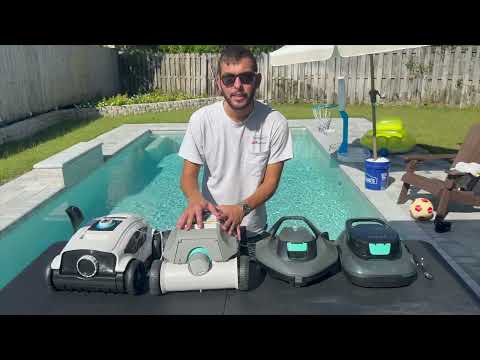
Here’s the uncomfortable truth: most “real” robotic pool cleaners don’t even start until you hit the $300 range—and often go well beyond that. Industry-wide listings consistently show that the majority of capable robotic cleaners live in the $300–$800 bracket, leaving the sub-$300 category surprisingly thin where most above-ground robotic cleaners begin around $300+.
So what’s actually available under $300? Mostly entry-level units, with one notable example being a basic Intex-branded robot with a modest flow rate. But here’s the catch—there’s almost no verified performance data, no standardized testing, and very little real-world comparison.
Does that mean they’re useless? Not necessarily. But it does mean you need to adjust expectations fast. If you’re expecting the same hands-off experience as a premium Dolphin or Polaris model… this isn’t it.
2.2 What Budget Robots Can Realistically Clean (Floor vs Everything Else)
Let’s talk about what these budget robots actually do once they hit the water.
In most cases, they clean one thing—and one thing only: the pool floor.
- No wall climbing
- No waterline scrubbing
- No fancy navigation patterns
And honestly? For small Intex pools, that’s not always a dealbreaker. If your pool has a flat bottom and minimal slope (which most above-ground Intex pools do), a floor-only robot can still handle the bulk of visible debris—leaves, dirt, sand, and whatever the kids tracked in. In fact, video demonstrations of budget models show they can leave the bottom looking surprisingly clean after a full cycle.
So the real question becomes: are you okay with “mostly clean”? If your goal is to stop vacuuming the floor by hand every weekend, these robots can absolutely help. If you want a fully hands-off, sparkling-clean pool from top to bottom… you’ll feel the limitations immediately.
2.3 Performance in Real Intex Pools: Wrinkles, Debris, and Coverage
Now let’s move from theory to real-world headaches—because this is where budget robots struggle the most. Above-ground Intex pools are rarely perfect. The vinyl liner often has small wrinkles, slight bumps, or uneven spots. And that’s exactly where cheaper robots start to fall apart.
In multiple real-world demos, budget cleaners frequently:
- Get stuck on minor wrinkles in the liner
- Spin in place near corners
- Miss sections of the pool entirely
Why? Two main reasons: weak suction and small wheels. Without enough power or traction, the robot simply can’t push itself over those tiny obstacles. Instead, it stalls… or just avoids the area completely.
Even when they do move properly, coverage can feel random. Some runs look great. Others leave noticeable patches untouched. And then there’s debris pickup. Light dirt and small leaves? Usually fine. But heavier debris—or fine particles like sand—often require multiple passes. You might watch the robot glide right over a patch… only to see it still there afterward.
It helps—but it’s not perfect. Think of it as maintenance between manual cleanings, not a full replacement.
3. The Biggest Trade-Offs of Budget Pool Robots (Under $300)
3.1 Cordless Convenience vs Weak Suction Power
Cordless sounds amazing, right? No tangled cables, no setup—just drop it in and let it go. And to be fair, most sub-$300 robots lean heavily into this convenience. But here’s the trade-off nobody tells you upfront: power.
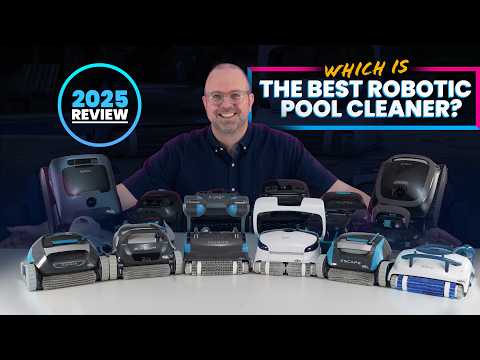
Budget cordless units typically operate at around 1,300 GPH, while effective cleaning generally requires closer to 4,000 GPH for proper debris removal. That gap isn’t small—it’s massive.
Pros
- No tangled cables to manage
- Fast and easy setup/deployment
- Ideal for quick surface maintenance
Cons
- Fine debris often gets left behind
- Heavier dirt requires multiple passes
- Noticeably weaker suction than corded models
Corded robots, on the other hand, deliver consistent power—but they’re almost never available under $300. So you’re stuck choosing: convenience or cleaning performance.
3.2 Battery Life, Charging Hassle, and Long-Term Reliability
Here’s something most product pages gloss over: owning a budget cordless robot means committing to a routine. Run time is limited—often just a couple of hours per cycle. Then comes the wait. Charging can take several more hours before it’s ready again.
So instead of “set it and forget it,” you’re stuck in a loop:
- Drop the robot into the pool
- Wait for the cleaning cycle to finish
- Pull it out of the water
- Recharge for several hours
- Repeat the process
And over time, things get worse. Battery performance naturally degrades. That strong first few months? It slowly turns into shorter runtimes and weaker cleaning cycles. Industry data suggests budget models may only last 1–3 years, compared to significantly longer lifespans for higher-end units. That’s the hidden cost. You’re not just buying a cheaper robot—you’re potentially replacing it much sooner.
3.3 Filtration Quality: Why Your Pool Still Looks Cloudy
Ever had your pool look clean… but still feel slightly cloudy? That’s a filtration problem. Most budget robots use basic mesh filters with relatively large openings. They’re great at catching leaves and visible debris—but fine particles? Not so much.
Think about these particles that slip right through:
- Dust
- Sand
- Algae particles
That’s why you can run a budget robot, see a spotless floor, and still notice that dull, hazy water. Higher-end robots use tightly woven, pleated filters (often compared to HEPA-style filtration), which trap much finer debris. But at this price point, that level of filtration just isn’t included.
3.4 Missing Features That Matter (Timers, Smart Navigation)
This is where the “robot” part starts to feel a little… generous. Most sub-$300 models skip the features that make robotic cleaners truly hands-off:
- No programmable timers
- No smart navigation
- No app control
Instead of intelligently mapping your pool (like higher-end robots that clean in neat, efficient lines), budget models tend to move randomly—bouncing off walls and changing direction as they go. Does it eventually cover most of the pool? Usually. Does it do it efficiently? Not really.
It’s the difference between a robot that works for you and one you still have to manage. For some people, that’s fine. For others, it defeats the whole purpose of buying a pool robot in the first place.
Check Price on Amazon4. How to Choose a Budget Pool Robot for an Intex Pool
4.1 Match the Robot to Your Pool Size and Shape
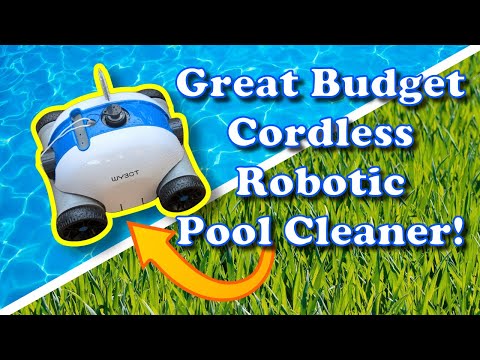
Here’s where most people go wrong: they buy based on price, not pool compatibility.
Push them outside of that? Performance drops fast.
If your pool is oversized or has unusual curves, you’ll start noticing missed patches, repeated paths, or the robot getting “lost” in corners. That’s because cheaper models rely on random movement rather than intelligent navigation.
In a compact Intex pool, though, randomness can actually work in your favor. Over time, the robot will eventually cover most of the floor—just not in a neat, efficient pattern.
So think of it like this: Small pool = decent results; Big pool = frustration.
If your pool is under typical above-ground sizes and mostly flat, a budget robot can absolutely keep things under control. But if you're expecting it to scale up? That’s where things fall apart.
4.2 Vinyl Liner Safety: Brushes, Wheels, and Design
Your Intex pool liner is not something you want to gamble with.
Unlike concrete or fiberglass pools, vinyl liners are soft, flexible, and—let’s be honest—a little fragile. The wrong brush or wheel design can cause wear over time, especially if the robot gets stuck and keeps spinning in place.
If your pool floor has even small folds (which is extremely common), a robot with small wheels or weak traction can get stuck or fail to climb over them. You’ll see it hesitate, spin, or completely avoid certain areas.
That’s why wheel size and movement design matter more than you’d think.
A slightly better-designed unit with larger wheels can glide over minor wrinkles, while cheaper ones just stall out. It’s not about power alone—it’s about how that power translates into movement.
Bottom line: safe for liners? Usually yes. Effective on imperfect liners? That’s where you need to be picky.
4.3 Ease of Use and Maintenance for Everyday Cleaning
Let’s talk about the part nobody mentions until you own one: the daily routine.
Because with budget robots, “automation” still involves you.
Most models follow a simple process:
- Drop it in
- Let it run
- Pull it out
- Rinse the filter
- Recharge
And while that sounds easy… it adds up fast when you’re doing it every few days in the middle of summer.
The good news? Simplicity is actually one of their strengths. Many budget robots use straightforward filter baskets or compartments that are easy to open and rinse out. No complicated setup. No apps. No learning curve.
But there are a couple of small annoyances:
- Some units are a bit awkward to retrieve from the pool
- Debris can fall back out if you lift them slowly
- You’ll need to stay consistent with cleaning the filter to maintain performance
Still, compared to manual vacuuming? It’s a huge upgrade. Imagine skipping that weekly ritual of dragging hoses, fighting suction, and stirring up half the debris instead of removing it.
4.4 When Smart Features Actually Matter (and When They Don’t)
It’s easy to get distracted by features like app control, smart navigation, and scheduling. But under $300? You’re not really getting those anyway.
And honestly—for small Intex pools—you might not need them.
In larger or more complex pools, smart navigation (think robots cleaning in clean, parallel lines instead of bouncing randomly) is a game changer. It reduces cleaning time and improves coverage. But in a small, flat pool? Random cleaning can still get the job done.
Where you will feel the difference is scheduling. Without a weekly timer, you have to manually start the robot every time. That’s why many experienced pool owners recommend stretching your budget when possible—because features like weekly smart timers for true automation completely change the experience.
5. Are Budget Pool Robots Worth It—or Should You Spend More?
5.1 Best Use Cases for Sub-$300 Robots
So when does a budget pool robot actually make sense?
This is where these robots shine. They’re ideal for:
- Small, flat-bottom above-ground pools
- Light, routine maintenance cleaning
- Pools that are already mostly clean
- Owners who want to reduce—not eliminate—manual work
In these scenarios, a budget robot feels like a quiet assistant. It handles the annoying, repetitive stuff. Drop it in after a pool day, come back later, and the floor looks clean again. No dragging hoses. No stirring up debris clouds.
5.2 When You’ll Regret Going Cheap
Now let’s flip the script—because this is where frustration kicks in. If your pool has:
- Lots of leaves or heavy debris
- Wrinkles or uneven liner surfaces
- Larger dimensions
- Or recurring algae issues
Pros of Budget Models
- Low initial cost
- Simple operation
- Good for light dust/dirt
Cons of Budget Models
- Get stuck on wrinkles
- Miss entire sections
- Glide over heavy debris
That’s when the “cheap” price starts feeling expensive. These robots are maintenance tools, not miracle workers. If your pool regularly gets messy, this category will feel like a compromise from day one.
5.3 The Sweet Spot: Why $400–$600 Changes Everything
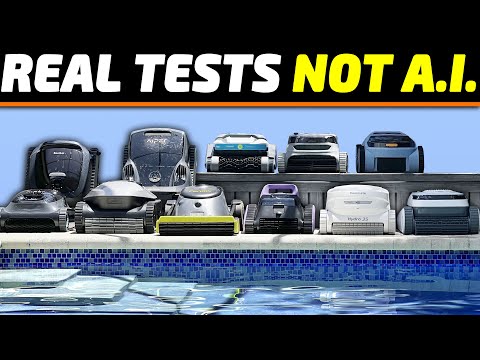
The biggest jump in performance doesn’t happen at $1,000… it happens just above budget range. Move into the $400–$600 category, and suddenly everything changes:
- Stronger, consistent suction
- Better filtration (including finer debris capture)
- More reliable coverage
- Longer lifespan
- And actual automation features
That’s why many experts consistently recommend stretching your budget slightly—especially toward models like the Dolphin Escape, which is widely considered a standout entry-level upgrade for small pools.
It’s not just “a little better.” It’s a completely different experience. Instead of babysitting a robot, you start trusting it.
6. Conclusion: Smart Expectations = Cleaner Pools
Budget pool robots under $300 can absolutely work—but only if you play to their strengths. In a small, flat Intex pool with light debris, they can take a surprising amount of work off your plate and keep your pool looking consistently clean between deeper maintenance sessions.
But they are not magic. They won’t climb walls, they won’t filter out ultra-fine particles, and they won’t replace manual cleaning entirely. The key is alignment: match the robot to your pool, your expectations, and your tolerance for hands-on effort.
If you just want to stop vacuuming the floor every weekend, a budget model can be a solid win. But if you’re chasing that fully automated, crystal-clear, zero-effort experience… that’s when spending a bit more starts to make a lot more sense.
In the end, it’s not about buying the cheapest robot. It’s about buying the right one for your reality.
FAQ
Q: Can budget pool robots under $300 climb walls?
A: Generally, no. Most robotic pool cleaners in the sub-$300 price bracket are designed strictly for floor cleaning. They lack the specialized traction and high-flow suction required to defy gravity and scrub vertical pool walls or waterlines effectively.
Q: Do these budget robots work on wrinkled Intex pool liners?
A: Wrinkles can be a significant obstacle. Analysis of user feedback indicates that budget models with small wheels often get stuck on liner folds. For pools with wrinkles, choosing a model with slightly larger wheels or better clearance is recommended.
Q: Is a cordless pool robot better for a small pool?
A: Cordless models offer great convenience and safety for small pools, but they often provide lower suction power (around 1,300 GPH). While sufficient for light debris, they may struggle with fine sand or heavy leaf loads compared to corded counterparts.
Q: How long do entry-level robotic pool cleaners typically last?
A: Based on aggregated industry data, budget-friendly robotic cleaners typically have a lifespan of 1 to 3 years. Battery degradation in cordless units is a common factor that limits long-term reliability compared to premium, serviceable models.
Q: Will a budget robot filter out fine algae or dust?
A: Most budget robots use standard mesh filters suited for leaves and large debris. They often struggle to trap fine particles like silt or algae, which may require a high-end model with pleated ultra-fine filters to achieve crystal-clear water.