

Betta SE Robotic Pool Cleaner Review: Real-World Performance, Pros, Cons, and SE vs SE Plus Comparison
Aaron Cooper
Review: Betta SE Robotic Pool Cleaner
Quick Take: An efficient, solar-powered surface skimmer that eliminates daily manual netting by capturing debris before it sinks.
Best For: Sunny regions and pools heavily impacted by floating leaves, pollen, or insects.
Keep in Mind: It is strictly a surface cleaner that relies on direct sunlight; heavily shaded pools may require the SE Plus for AC charging backup.
1. Introduction: Is the Betta SE Robotic Pool Cleaner the Answer to Daily Skimming?
If you own a pool, you know the routine. You step outside, coffee in hand… and instantly spot the mess. Leaves drifting. Pollen clinging to the edges. A few unlucky bugs doing laps. Out comes the net. Five sweaty minutes later, you’ve barely made a dent.
The Betta SE Robotic Pool Cleaner promises to end that cycle with fully solar-powered, hands-free surface cleaning. In this review, we’ll break down how it works, whether it really runs “nonstop,” how it performs in real-world wind and pollen seasons, and how it compares to the SE Plus—so you can decide if it’s truly worth it for your pool.
2. How the Betta SE Robotic Pool Cleaner Works: Solar Power, Twin Motors, and Smart Navigation
2.1 Solar Charging System and 7.4V 4400mAh Battery: Can It Really Run 30+ Hours?
Let’s address the big promise first: 30+ hours of continuous cleaning.
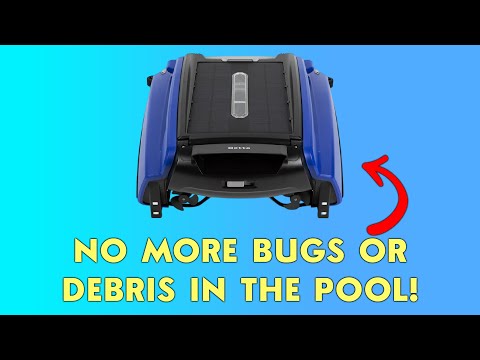
The Betta SE runs on a built-in 7.4V 4400mAh (32Wh) lithium-ion battery, charged by a large integrated solar panel on top of the unit. Under direct sunlight, recharge time is typically 5–6 hours, and thanks to its energy-efficient Aqua Dynamics design, it can deliver over 30 hours of runtime on a full charge.
What does that mean in real life?
On sunny days, many owners simply leave it in the pool 24/7. It charges during the day while operating and continues cruising into the evening. In strong sun climates, it can feel almost self-sustaining.
In bright regions, that’s rarely an issue. In extended cloudy seasons, it’s something to factor in. Solar freedom is real—but it’s still solar.
2.2 Twin Salt Chlorine Tolerant (SCT) Motors and Aqua Dynamics Design
Under the hood, the Betta SE uses re-engineered twin Salt Chlorine Tolerant (SCT) motors. These chip-controlled motors are built for both freshwater and saltwater pools, rated for salinity levels up to 5,000 ppm.
Why does that matter?
Salt systems can be harsh on pool equipment. Motors not designed for it degrade quickly. The SCT design specifically addresses that concern, giving the SE broader compatibility without forcing you to second-guess your pool chemistry setup.
Pair that with the Aqua Dynamics design—an efficiency-focused hull structure engineered to maximize runtime—and you get slow, steady, energy-conscious surface cruising. It doesn’t rocket around chaotically. It moves deliberately, gliding across the surface to collect:
- Leaves
- Pollen
- Dust
- Insects
- Pet hair
It’s not flashy. It’s methodical. And that’s exactly what surface skimming requires.
Zero cords. Zero hoses. Just solar-powered consistency.
2.3 Ultrasonic Radar Sensors, Gyroscope, and Obstacle Avoidance in Real Pools
One of the most satisfying things about watching the Betta SE work is how it approaches walls.
Instead of smashing into them like a wind-up toy, it uses ultrasonic radar sensors and onboard guidance systems (including a gyroscope) to detect obstacles. As it nears a wall, it slows down, pivots, and redirects.
In overhead footage from independent demonstrations, the movement pattern looks random—but coverage is surprisingly thorough over time.
You also get two operating modes:
- Auto Mode – Fully autonomous surface cleaning (default).
- Remote Mode – Controlled via included wireless remote.
Most owners rarely use the remote, except to reposition the unit quickly or guide it toward a heavy debris patch after a storm.
It’s also equipped with bumper rods to help prevent getting stuck in shallow areas. While no surface bot is immune to edge cases (like certain skimmer openings), its navigation system generally reroutes effectively when encountering walls or obstacles.
It doesn’t behave like a pinball. It behaves like it’s thinking.
2.4 200-Micron Fine Mesh Debris Basket and Top-Handle Design
Collection is where everything pays off.
The Betta SE uses a large 200-micron fine-mesh debris basket, which is fine enough to trap pollen and small particles—not just big leaves. That’s critical during spring bloom season, when your pool can look clean from a distance but feel dusty at the edges.
The basket includes a top handle and is designed for easy access. You simply:
- Dock it at the pool edge.
- Open the lid.
- Lift out the basket.
- Rinse with a hose.
You don’t have to drag the entire unit out of the pool every time.
It’s one of those small details that makes long-term ownership easier.
3. Real-World Performance: Wind, Pollen Season, and 24/7 Operation Claims
3.1 Does It Handle Heavy Leaves, Pollen, and Windy Conditions?
Marketing claims are one thing. Wind season is another.
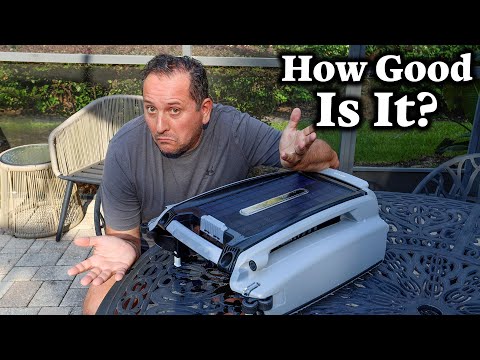
In real-world testing—particularly in windy regions like Las Vegas—users have shown the Betta SE (and SE Plus variant) steadily collecting leaves over multiple days. One reviewer left it in the pool for five days and opened the basket to find it packed with debris that otherwise would have sunk or clogged the main skimmer.
During pollen season, owners report something interesting: not perfection—but noticeable consistency. The surface looks “visibly cleaner,” especially in the afternoon after wind pushes debris toward the edges. Fine particles that typically cling to corners get picked up during repeated passes.
It won’t create a magically sterile mirror finish after a windstorm in 10 minutes. But it reduces the daily accumulation dramatically.
And because it works continuously, it often grabs debris before it ever sinks. That’s the real win. Less sinking debris means less vacuuming later.
In short: it performs best as a prevention tool, not a one-time cleanup miracle.
3.2 Getting Stuck Near Skimmers or Walls: Common Issues and Fixes
No robotic cleaner is flawless, and the Betta SE is no exception.
Some users report occasional “nosing” into the pool’s built-in skimmer opening. It’s not suction-related—it simply hits the angle just right and gets momentarily hung up. Interestingly, it often passes by the same spot dozens of times without issue before it happens.
Common solutions shared by owners include:
- Adding a small foam bumper near the skimmer opening
- Slightly lowering pool pump RPM if strong currents are pushing it
- Temporarily lifting it out when running a corded vacuum
In most demonstrations, the unit successfully reverses or pivots when encountering walls thanks to its sensors. Persistent trapping appears to be rare and pool-design specific rather than a systemic flaw.
This is important context. It’s a surface robot navigating water currents, steps, returns, and skimmers. Occasional interaction quirks are part of the category—not unique to this model.
3.3 Is It Truly 24/7? What Happens at Night or on Cloudy Days
You’ll see “nonstop cleaning” mentioned frequently.
Here’s the practical breakdown:
- On sunny days, it charges while running.
- With sufficient stored energy, it continues operating overnight.
- On extended cloudy stretches, runtime may shorten.
Some users observe LED indicators shifting (for example, flashing when battery is low), and the unit may move slower until sunlight restores full charge.
In strong sun climates, many owners report it effectively running around the clock with no manual charging required. In lower-light seasons, operation depends on how much charge it accumulated during the day.
So is it truly 24/7?
It can be—if your sunlight supports it. But it is not immune to physics. Solar input still dictates performance.
4. Betta SE vs Betta SE Plus: Which Solar Pool Skimmer Should You Choose?
4.1 Solar-Only vs Dual Charging (Solar + AC Adapter)
This is the biggest distinction.
| Feature | Betta SE | Betta SE Plus |
|---|---|---|
| Charging Method | Solar only | Solar + AC adapter |
| Solar Recharge Time | 5–6 hours | 5–6 hours |
| AC Recharge Time | Not available | 3.5 hours |
| Runtime | 30+ hours | 30+ hours |
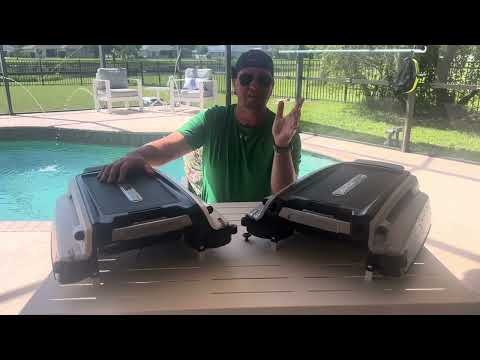
The SE relies entirely on solar energy. The SE Plus adds an AC charging port, allowing a full recharge in about 3.5 hours via wall adapter.
If you live in a sunny region, the SE often runs continuously without ever needing intervention.
If you live somewhere with extended cloudy seasons—or want guaranteed overnight runtime regardless of sunlight—the Plus gives you that backup flexibility.
For buyers comparing both, this charging difference is the core deciding factor.
If consistent, weather-proof operation matters to you, it’s worth checking current pricing before deciding:
Check Latest Price on Amazon4.2 Shallow Water Protection and Design Differences
The Betta SE includes adjustable water depth bumper rods to help prevent getting stuck in shallow areas like steps.
The SE Plus introduces shallow water safeguard stands—small front supports designed to reduce the chance of “beaching” in low-depth sections.
Functionally, both models operate almost identically in cleaning performance. Baskets are interchangeable. Motors are the same twin SCT design. Navigation systems are comparable.
If your pool has wide tanning ledges or unusual shallow transitions, the Plus model’s design tweaks may offer added reassurance. For standard pool shapes, the SE’s bumper system is typically sufficient.
4.3 Which Model Fits Your Climate and Pool Setup?
Choose Betta SE if:
- You get consistent daily sunlight.
- You prefer a simpler, solar-only system.
- You want the lower entry price within the lineup.
Choose Betta SE Plus if:
- You experience frequent overcast or rainy stretches.
- You want guaranteed backup charging.
- You prefer faster recharge flexibility (3.5 hours via AC).
Cleaning performance between them is essentially the same. The decision is about charging confidence, not debris pickup strength.
For most sun-heavy states, the standard Betta SE is more than enough. But if weather unpredictability stresses you out, the Plus buys peace of mind.
Either way, the real upgrade isn’t the hardware—it’s reclaiming your mornings from the skimmer net.
5. Can the Betta SE Robotic Pool Cleaner Work with a Pool Vacuum?

5.1 Surface Skimmer vs Floor Robot: Why You Might Need Both
Here’s a question almost every pool owner asks:
“If I already have a robotic pool vacuum, do I really need a surface skimmer robot too?”
Short answer? They do completely different jobs.
A robotic pool vacuum handles the floor and sometimes the walls—scrubbing settled dirt, algae, and debris that has already sunk. The Betta SE Robotic Pool Cleaner, on the other hand, lives on the surface. It captures leaves, pollen, bugs, dust, and pet hair before they ever make it to the bottom.
And that timing matters.
Once debris sinks, it becomes heavier, harder to remove, and more likely to stain or clog your main filtration system. The Betta SE prevents that chain reaction. As one experienced reviewer put it plainly: if you’re deciding between a floor cleaner and a surface bot, you need both. They’re a tag team. One guards the top. The other handles the deep clean.
Could you manually skim the surface instead? Sure. But that’s exactly the chore this device eliminates.
If your goal is a pool that looks clean all the time—not just after vacuum day—adding the Betta SE to your setup makes the entire system more efficient. Less sinking debris. Less strain on your floor robot. Less work for you.
5.2 Avoiding Cord Tangles and Sensor Interference
Running two robots in one pool sounds like chaos waiting to happen, right?
In practice, it’s surprisingly manageable.
The Betta SE is completely cordless and solar-powered, so you’re not adding another cable to the mix. However, if you’re using a corded robotic vacuum or suction-side cleaner, there is a small chance the Betta could nudge or ride up against a floating hose or power cord.
In real-world demonstrations, the Betta SE typically bumps lightly, pivots, and redirects rather than getting hopelessly tangled. Its ultrasonic radar sensors help it detect obstacles and reroute efficiently.
Is it 100% immune to interaction? No robot is. But with minor setup tweaks, both can coexist without drama.
Surface protection above. Deep cleaning below. Zero chaos.
6. Durability, Saltwater Compatibility, and Long-Term Ownership
6.1 Warranty Coverage and What It Actually Protects
When you’re leaving a device in your pool 24/7, warranty details suddenly matter a lot more.
The Betta SE includes a 1-year manufacturer warranty covering mechanical and electrical breakdowns for residential use. That means failures related to motors, internal electronics, or functional components are protected under normal operating conditions.
Extended warranty options (such as Betta Care) are available in certain regions if purchased within a specific window after buying. However, third-party extended protection plans may not be serviced directly by Betta, so it’s worth reading the fine print before assuming coverage.
One year is fairly standard in this product category. The key takeaway? It’s built for continuous outdoor operation—but freezing temperatures and misuse can void that protection.
Treat it like pool equipment, not a pool toy.
6.2 Salt Chlorine Tolerance and Outdoor Weather Resistance
If you own a saltwater pool, this part is critical.
The Betta SE is designed to handle salt chlorine systems up to 5,000 ppm salinity. That covers the vast majority of residential salt pools. The twin Salt Chlorine Tolerant (SCT) motors are engineered specifically for this environment.
Important distinction: seawater use will void the warranty. This is for salt pools, not ocean water.
As for weather exposure, the unit is built for full-time outdoor operation and can remain in the pool during rain. It is UV-resistant and designed to handle normal seasonal conditions. However, it must be removed when air temperatures reach 32°F (0°C) or below, as freezing water can damage internal components.
In other words:
- Safe in sun.
- Safe in rain.
- Not safe in ice.
If you winterize your pool, you’ll winterize this too.
6.3 Maintenance Routine: Emptying the Basket and Basic Care
The daily reality of ownership is refreshingly simple.
Most owners report emptying the basket every couple of days under moderate debris conditions—and daily during heavy leaf drop. The 200-micron mesh captures fine pollen and small particles, so even when the pool “looks” clean, you’ll often find surprising debris inside.
Cleaning is straightforward:
- Dock the unit at the edge.
- Open the lid.
- Lift the basket using the top handle.
- Rinse with a garden hose.
No tools. No complicated disassembly.
Occasionally, it’s wise to check the underside and impeller area for wrapped hair or stringy debris. The twin motor area is accessible enough for light maintenance if something gets tangled.
Beyond that? Keep the solar panel clear of heavy buildup so charging efficiency stays strong.
It’s low effort. That’s the point.
7. Who Should (and Shouldn’t) Buy the Betta SE Robotic Pool Cleaner?
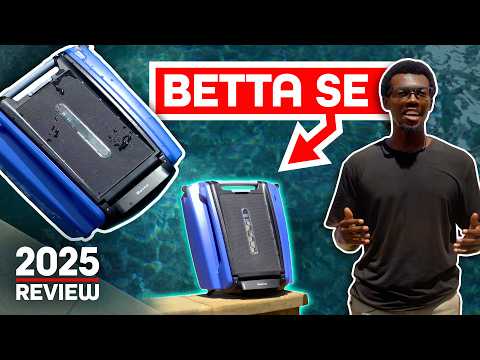
7.1 Great Fit: Tree-Heavy Yards, Windy Regions, and Busy Pool Owners
If your pool constantly collects floating debris, the Betta SE feels almost tailor-made for you.
Tree-heavy yard? It grabs leaves before they sink.
Windy climate? It quietly patrols all day.
Pollen season nightmare? The 200-micron basket keeps the surface visibly cleaner.
Owners in windy regions have shown it steadily collecting debris over multiple days without manual skimming. In sunny climates, many report leaving it in the pool continuously with little intervention.
It’s also ideal for pool owners who already use a robotic floor cleaner. Together, they create a full-coverage system: surface prevention plus bottom cleanup.
And perhaps most importantly—it’s for people who value time. If you’re tired of walking outside and immediately reaching for a skimmer net, this device changes that daily experience.
👉 Check Latest Price on Amazon
7.2 Not Ideal For: Shaded Pools, Wall Cleaning Needs, or Extreme Conditions
Best Use Case
- Sunny environments
- Debris prevention
- Saltwater pools
Not Ideal For
- Heavily shaded pools
- Scrubbing algae from walls
- Extremely shallow ledges (< 4 inches)
Let’s be honest about limitations.
First: it is strictly a surface skimmer. It does not scrub walls or vacuum the floor, as confirmed in retailer Q&A sections. If your primary issue is algae on walls or heavy sediment buildup, you need a traditional robotic pool cleaner instead.
Second: heavily shaded pools can reduce charging efficiency. Because the SE relies entirely on solar input, extended low-light conditions may shorten runtime. If your pool rarely gets direct sun, the SE Plus—with AC backup charging—may be a better fit.
Third: it requires a minimum operating depth of approximately 4 inches. Extremely shallow sections or unusual ledge-heavy designs may cause occasional repositioning needs.
Finally, if your built-in skimmer and circulation already keep your surface spotless with minimal effort, this may feel like an unnecessary upgrade.
This is a prevention tool. A surface guardian. Not a full-pool miracle machine.
8. Conclusion: Is the Betta SE Robotic Pool Cleaner Worth It?
The Betta SE Robotic Pool Cleaner isn’t flashy. It doesn’t climb walls. It doesn’t blast debris with dramatic suction.
What it does is simpler—and arguably more valuable. It quietly patrols your pool surface, solar-powered, capturing leaves, pollen, dust, and bugs before they ever sink. With twin SCT motors rated for salt pools up to 5,000 ppm and over 30 hours of runtime on a full charge, it delivers steady, low-maintenance performance in the right conditions.
Its biggest strengths? Solar convenience, cordless design, quiet operation, and genuinely reduced daily skimming.
Its limitations? Surface-only cleaning and full dependence on sunlight.
For sunny climates and debris-heavy yards, it’s a game-changer. For heavily shaded pools or wall-cleaning needs, you’ll need something more.
👉 Check Latest Price on Amazon
9. FAQ About the Betta SE Robotic Pool Cleaner
Q: Does the Betta SE scrub pool walls or vacuum the floor?
A: No. The Betta SE is strictly a surface-operating skimmer. It removes floating debris only. For floor and wall cleaning, you’ll need a separate robotic pool cleaner.
Q: How long does the battery last on a full charge?
A: The built-in 7.4V 4400mAh (32Wh) lithium battery delivers 30+ hours of runtime per full charge under normal conditions. Solar recharge typically takes 5–6 hours in direct sunlight.
Q: Can it run at night?
A: Yes—if it stored enough energy during the day. It does not charge at night, so runtime depends on how much sunlight it received.
Q: Does it work in saltwater pools?
A: Yes. It’s designed for salt chlorine systems up to 5,000 ppm. It should not be used in seawater.
Q: What if it gets stuck near my skimmer?
A: Occasional “nosing” into a skimmer opening has been reported. Common fixes include adding a small foam bumper or lowering pool pump RPM to reduce water push. In most cases, the unit’s sensors allow it to redirect automatically.
Q: How often should I empty the debris basket?
A: Typically every couple of days under moderate debris conditions, or daily during heavy leaf drop. The 200-micron mesh captures fine pollen and small particles, so checking regularly keeps performance optimal.