
Dolphin Premier: Is the Multi-Media Filtration Worth It? (Data Review & Real Performance Insights)
Aaron Cooper1. Introduction
If you’ve ever watched your pool go from crystal clear to leaf soup overnight, you already know the frustration: one cleaner, one filter… and somehow, it still misses half the mess. The Dolphin Premier promises a different approach—Multi-Media Filtration designed to handle everything from chunky leaves to microscopic haze.
But here’s the real question: does that flexibility actually translate into better cleaning, or is it just marketing?
In this deep dive, we’ll break down how the system works, what real-world performance data shows, and whether it truly outperforms standard single-filter robots when your pool gets messy.
2. What Makes Dolphin Premier’s Multi-Media Filtration Different?

2.1 Breaking Down the 3+1 Filter System (Leaf Bag, NanoFilters, Standard)
Most robotic pool cleaners give you one filter and call it a day. That’s fine—until your pool throws everything at you at once: leaves, dust, pollen, algae. Suddenly, that “one-size-fits-all” approach starts to feel like a compromise.
The Dolphin Premier flips that idea on its head with a Multi-Media system that includes three core filters plus an optional fourth. Each one is purpose-built:
- The oversized leaf bag is your fall-season hero, swallowing up large debris like leaves, twigs, and bugs without clogging halfway through a cycle.
- The NanoFilters act like a fine-tooth comb, trapping microscopic particles—think sand, algae, and that cloudy haze that makes your pool look “off.”
- The standard filters handle everyday cleaning, balancing flow and debris capture for routine maintenance.
- And if you really want zero cleanup? There’s an optional disposable debris bag for heavy-duty, no-mess sessions.
2.2 Why Single-Filter Robots Struggle with Mixed Debris
Here’s where most pool robots quietly fall apart.
Imagine this: a windy afternoon dumps leaves into your pool. At the same time, there’s fine dust and early algae forming. A typical single-filter robot has to choose—either it’s optimized for large debris or fine particles. Rarely both.
The result? It either clogs too quickly with leaves or lets the fine stuff slip right through.
Comparative testing consistently shows this limitation. Systems with only a basic mesh filter simply can’t match the Premier’s 10/10 filtration rating compared to 7/10 on single-filter competitors. That gap isn’t theoretical—it shows up in real cleaning results.
The Premier avoids that trap entirely. You’re not asking one filter to do everything. You’re choosing the right one before the job even starts.
2.3 A ‘Swiss Army Knife’ Approach to Pool Cleaning
The easiest way to understand the Premier’s filtration system? Think of it like a Swiss Army knife.
You wouldn’t use the same tool to cut a steak, open a bottle, and tighten a screw. So why expect one filter to handle every pool condition?
That’s exactly the philosophy here. When your pool is hit with heavy debris after a storm, you deploy the leaf bag. When the water looks slightly cloudy but “clean enough,” you switch to NanoFilters and suddenly see that glass-like clarity return. Day-to-day? Standard filters keep things ticking over without overkill.
This flexibility is what makes the Dolphin Premier feel less like a single-purpose machine and more like a customizable cleaning system. It adapts to seasons, environments, and even your tolerance for “how clean is clean enough.”
3. Real-World Performance: Does Multi-Media Filtration Actually Clean Better?
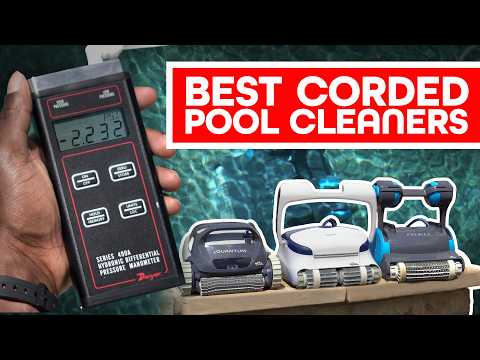
3.1 Mixed Debris Testing: Leaves, Twigs, Dust, and Algae
Specs are one thing. Real-world mess is another.
Across extended testing scenarios—especially in heavily treed environments—the Dolphin Premier consistently demonstrated something most robots struggle with: handling mixed debris without breaking stride. Over multi-month observations, it captured everything from large leaves and twigs down to fine particles in a single cleaning cycle.
That’s a big deal. Because normally, mixed debris is where cleaners fail. They either clog, lose suction efficiency, or leave behind the finer contaminants.
The Premier’s advantage comes from pairing strong suction with the right filter type. When equipped with the leaf bag, it powers through heavy debris loads without choking. Swap in NanoFilters, and it shifts gears—suddenly targeting the invisible stuff that dulls your water.
The result? Instead of running multiple cleaning cycles (or worse, manually stepping in), you get a more complete clean in one go. Less babysitting. Less frustration. Just a pool that actually looks done.
3.2 Water Clarity Gains: What NanoFilters Actually Change
Here’s something most pool owners underestimate: clarity isn’t just about visible debris. It’s about what you can’t see.
Standard filters miss the ultra-fine particles—dust, algae spores, oils—that make water look slightly cloudy even when it’s technically “clean.” That’s where the NanoFilters come in.
With their high-surface-area, pleated design, they capture particles that slip through traditional mesh. In fact, independent evaluations note the system can filter at a rate of up to 75 gallons per minute, allowing it to continuously polish the water during operation.
What does that mean in practice?
- Visual Impact: After just a few cleaning cycles, pools show noticeably improved clarity—less haze, more sparkle.
- The "Hotel" Look: That “hotel pool” look where the water almost disappears because it’s so clear.
- Algae Prevention: It’s not just cosmetic either. Removing fine debris also helps limit the conditions where algae thrive.
3.3 Coverage Matters: Waterline Cleaning and Hidden Bacteria Zones
Let’s talk about the spot most people hate cleaning: the waterline.
That thin band of grime where oil, sunscreen, and debris collect? It’s not just ugly—it’s where the majority of bacteria buildup happens. Some analyses suggest as much as 90% of pool bacteria concentrates in this area.
And here’s the catch: many robots barely touch it. The Dolphin Premier does. Consistently.
Thanks to its wall-climbing ability, dual stabilizers, and strong traction system, it actively scrubs the waterline instead of just brushing past it. Combined with full floor and wall coverage, it earned a perfect coverage score in comparative evaluations—outperforming many single-filter competitors that leave entire zones untouched.
Pros
- Unmatched 3+1 filtration versatility
- Exceptional waterline scrubbing performance
- High flow rate (75 GPM) for water polishing
Cons
- Requires manual filter swapping for different debris types
- Higher initial investment than basic single-filter models
4. Is the Dolphin Premier Worth the Premium Price?

4.1 Performance vs Price: What You Actually Get
Let’s address the elephant in the backyard: this isn’t a cheap robot.
And if you’ve ever hesitated before dropping four figures on a pool cleaner, you’re not alone. The real question isn’t the price—it’s what that price actually buys you in day-to-day life.
Under the hood, the Dolphin Premier runs on dual commercial-grade motors, pushing water through its system at a rate of around 4,500 gallons per hour. That number sounds technical, but here’s what it feels like: debris doesn’t just sit there waiting to be picked up—it gets aggressively pulled in. Leaves, sand, fine dust… gone in a single pass.
And the results? They’re not subtle. Independent evaluations consistently place it near the top, including a 9.8/10 overall performance score across extended testing scenarios.
So yes, it’s premium. But it’s also doing the job that cheaper robots often leave half-finished.
4.2 Multi-Media Filtration as a Long-Term Cost Saver
Here’s something most buyers don’t think about upfront: how many different cleaning problems your pool throws at you over a year.
Spring pollen. Summer dust. Fall leaves. The occasional algae bloom. Each one demands a different cleaning approach—and most robots? They’re built for just one.
That’s where the Dolphin Premier quietly saves you money.
Instead of upgrading your cleaner every season (or buying multiple tools), you’re simply swapping filters. Leaf bag for heavy debris. NanoFilters for polishing water. Standard filters for maintenance mode. Same machine. Different job.
It’s like owning one device that adapts instead of replacing it every time conditions change.
- Fewer “maybe I need a better cleaner” moments.
- Fewer compromises.
- Just one system that evolves with your pool.
If your pool sits under trees or deals with constantly changing debris, this isn’t just convenient—it’s practical. You’re buying versatility upfront instead of paying for it later.
4.3 How It Compares to Other Premium Robots (Sigma, Nautilus, etc.)
Now, here’s where things get interesting.
Because at this price point, the Dolphin Premier isn’t competing with budget cleaners—it’s up against other premium robots like the Sigma or older single-filter models like the Nautilus CC.
So how does it actually stack up?
| Feature | Dolphin Premier | Dolphin Sigma | Nautilus CC |
|---|---|---|---|
| Multi-Media Filtration | Yes (4 options) | No | No |
| NanoFilters | Yes | Yes | No |
| Leaf Bag | Yes (exclusive) | No | No |
| Waterline Cleaning | Yes | Yes | Limited/No |
| App Control | No | Yes (WiFi) | No |
| Cleaning Cycle | 3 hours | ~2.5 hours | Varies |
| Motors | Dual commercial-grade | Triple motors | Standard |
Here’s the honest breakdown:
- The Premier wins on filtration flexibility. Nothing else in this category gives you that level of control over debris types.
- The Sigma wins on convenience. App control, faster cycles, and more modern “smart” features.
- The Nautilus (and similar single-filter robots) simply can’t compete on mixed debris performance or waterline cleaning.
So what matters more to you?
If you want to tap your phone and start a cleaning cycle remotely, the Sigma has the edge.
But if your pool deals with real-world mess—leaves one day, fine dust the next—the Dolphin Premier’s Multi-Media system is in a league of its own.
It’s less about bells and whistles. More about raw cleaning adaptability.
5. The Trade-Offs: What You Need to Know Before Buying
5.1 Manual Filter Swapping: Flexible or Frustrating?
Let’s be real for a second—having multiple filters sounds amazing… until you’re the one swapping them.
In theory, it’s simple. You assess your pool, pick the right filter, and drop the robot in. Done.
In practice? Most people don’t switch filters as often as they think they will.
Some owners love the control. Others find it a bit… tedious.
So here’s the honest take:
- If you enjoy dialing in performance and optimizing each clean, you’ll love it.
- If you want a fully hands-off, one-mode-fits-all experience, it might feel like extra work.
The flexibility is powerful. But it does ask for a little involvement in return.
5.2 Maintenance Experience: Bottom-Load Filters and Handling Weight
Now imagine this: the cleaning cycle is done, your pool looks amazing… and now you have to pull the robot out.
This is where things get less glamorous.
The Dolphin Premier is heavier than many newer models, and because the filters are bottom-loading, you’ll need to flip the unit over to access them. That might not sound like a big deal—until you’re lifting a waterlogged machine under the sun.
It’s one of those small annoyances that adds up over time.
Compared to newer robots with top-loading filter baskets, the process feels a bit old-school. More effort. More handling. Slightly less convenient.
That said, once you get used to it, it becomes part of the routine. Hose off the filters, pop them back in, and you’re done.
But if ease of maintenance is high on your priority list, this is something you’ll notice.
5.3 Missing Smart Features: Does It Matter?
Here’s the modern dilemma: great cleaning… or smart convenience?
The Dolphin Premier skips features like Wi-Fi control and app integration entirely. No remote start from your phone. No cleaning notifications. No fancy mapping interface.
And in 2026, that feels noticeable.
Especially when competitors like the Sigma let you control everything from your couch.
But here’s the twist: once the Premier is in the water, none of that really matters.
It runs on a weekly timer. You set it, and it handles the rest. No babysitting. No constant adjustments. Just consistent cleaning cycles that keep your pool in check.
So the question becomes: do you want control… or do you want results?
If you’re a smart-home enthusiast, this might feel like a missing piece.
If you just want your pool clean—without thinking about it—the Premier still delivers exactly that.
No app. No distractions. Just a robot that does its job.
6. Conclusion: Is Multi-Media Filtration Actually Worth It?
So, is Multi-Media Filtration worth paying extra for?
If your pool deals with real-world mess—leaves, dust, algae, all at once—the answer is yes. The Dolphin Premier doesn’t just clean; it adapts. That flexibility translates into better debris handling, clearer water, and fewer “missed spots” that force you back into manual work.
Pros
- Unmatched debris flexibility with 4 filter options.
- Commercial-grade motor power.
- Consistent waterline scrubbing.
Cons
- Manual filter swapping required.
- Heavier bottom-load design.
- No Wi-Fi or App connectivity.
Still, if your priority is walking out to a pool that actually looks finished—no haze, no debris, no waterline grime—the Premier earns its price.
FAQ
Q: What is included in the Dolphin Premier Multi-Media system?
A: The system includes three core filter options: an oversized leaf bag for large debris, ultra-fine NanoFilters for microscopic particles like algae and dust, and standard mesh filters for routine daily maintenance.
Q: Does the Dolphin Premier clean the pool waterline?
A: Yes, based on technical specifications and performance data, the Premier features dual stabilizers and high-traction tracks that allow it to climb walls and actively scrub the waterline area.
Q: How does the Dolphin Premier handle fine debris like sand?
A: When equipped with its pleated NanoFilters, the unit is designed to trap ultra-fine particles that standard mesh filters often miss, resulting in significantly improved water clarity and polish.
Q: Does this model support smartphone app control?
A: No, the Dolphin Premier focuses on raw cleaning performance and does not include Wi-Fi or Bluetooth connectivity. It is operated via a physical power supply with a weekly timer function.
Q: Is the Dolphin Premier difficult to maintain?
A: While highly effective, it utilizes a bottom-loading filter compartment. This requires flipping the unit over to access filters, which some users find more cumbersome than newer top-loading basket designs.