
Filter Bag vs. Filter Cartridge Maintenance for Pool Robots: Which Is Easier, Faster, and More Efficient?
Aaron Cooper1. Introduction
A robotic pool cleaner feels like magic—until the day your water starts looking cloudy and the robot seems to “miss spots.” In most cases, the culprit isn’t the motor or navigation. It’s the filter.
Every leaf, grain of sand, and invisible speck of algae ends up trapped inside that filter system. And if you’re not maintaining it properly? Suction drops. Debris slips back into the water. Your “set it and forget it” routine quietly turns into extra work.
2. Filter Bag vs. Cartridge: Which Is Easier to Maintain Day-to-Day?
2.1 Cleaning Time: Quick Rinse vs. Hands-On Washing
Picture this: you pull your robot out of the pool after a cycle. It’s heavy with debris, dripping water, and you just want to be done.
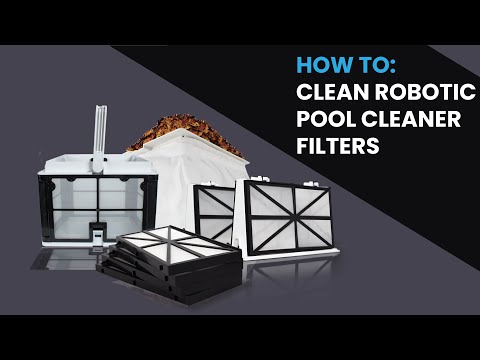
With cartridge filters, you usually are. Pop them out, hit them with a garden hose, and you’re finished in minutes. That’s why many pool owners describe cartridges as the “quick rinse and go” option—minimal steps, minimal thinking.
Filter bags? Different story. You’ll need to unclip or detach them, turn them inside out, and rinse thoroughly to push debris out of the fabric. And because dirt gets embedded in the fibers, it’s rarely a one-pass job.
2.2 Ease of Rinsing and Handling
Not all maintenance frustration is about time—some of it is just how annoying the process feels.
Cartridge filters are lightweight, structured, and easy to handle. Their pleated design (those folded ridges) allows water to flow through and flush out debris efficiently. You can hold them in one hand and rinse them evenly without much effort.
Filter bags, on the other hand, behave more like a wet towel filled with dirt. They’re flexible, heavier when soaked, and require more manipulation to fully clean. You often have to work the fabric to release trapped particles.
According to general maintenance guidance, bags must be turned inside out and rinsed thoroughly to remove embedded debris, while cartridges can be cleaned by simply spraying between the pleats. That difference adds up over time.
If convenience matters, cartridges feel cleaner, quicker, and easier to manage—especially after frequent cleaning cycles.
2.3 Mess Factor: Which One Gets You Dirtier?
Here’s the part no one talks about enough: how messy the cleaning process actually is.
Filter Bags Mess Factor
- Debris falls out in controlled, larger clumps.
- Leaves and bugs are easier to dump out tidy.
Cartridge Mess Factor
- Fine dust can scatter during high-pressure rinsing.
- Potential for "spray-back" from pleated ridges.
Some users even describe cartridge cleaning as a bit of a “spray-back” situation—especially if you’re using a strong hose.
So what’s better? It depends on your tolerance. Bags are messier to handle but release debris more cleanly. Cartridges are faster but can feel slightly more chaotic during rinsing.
2.4 Maintenance Frequency and Replacement Cycles
Now zoom out. Not just one cleaning session—but your entire season.
Filter bags typically hold more debris and can run longer between cleanings. Their larger capacity means fewer interruptions, especially if your pool collects leaves or heavy debris.
In fact, many comparisons highlight that bags can offer greater debris holding capacity and longer service intervals, which directly reduces how often you need to stop and clean.
Cartridges, by contrast, fill up faster. That means more frequent rinsing—but each session is quick and easy.
So the real question isn’t “which is easier?” It’s:
- Do you prefer quick, frequent maintenance (cartridges)?
- Or fewer, more involved cleanings (bags)?
There’s no universal winner—just the one that fits your routine.
3. Performance Trade-Offs: Fine Dust vs. Leaves and Heavy Debris
3.1 Handling Fine Debris, Sand, and Algae
If your pool looks clean—but never quite “crystal clear”—you’re likely dealing with fine particles: dust, pollen, algae, or sand.
This is where cartridge filters shine.
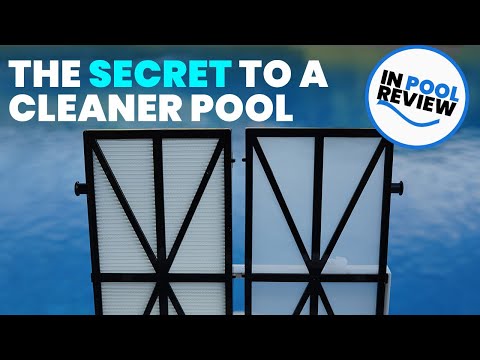
Pleated cartridge designs, especially ultra-fine versions, are built to trap tiny particles that would otherwise pass through standard filtration. The tightly woven or layered material acts like a sieve, capturing debris you can’t even see.
In fact, modern pleated systems are widely recognized for their ability to capture ultra-fine dirt, algae, and suspended particles, dramatically improving water clarity.
You’ll notice the difference immediately. That slightly dull water? Gone. The pool starts to look polished.
Filter bags can catch fine debris too, but they’re not as consistently precise—especially compared to ultra-fine cartridges designed specifically for microscopic particles.
If your priority is that “hotel pool” clarity, cartridges are hard to beat.
3.2 Managing Leaves, Twigs, and Large Debris Loads
Now flip the scenario.
It’s fall. Leaves everywhere. Maybe a storm just rolled through. Your pool isn’t dusty—it’s buried.
This is where filter bags take the lead.
Unlike cartridges, which have fixed internal space, filter bags can expand and hold a much larger volume of debris. They’re designed to handle bulk—leaves, twigs, even small pebbles—without clogging quickly.
Oversized leaf bags, in particular, are built for exactly this situation. Instead of stopping every 20 minutes to empty a full filter, you can let the robot run longer and finish the job in fewer cycles.
Cartridges can handle some larger debris, but they fill up fast under heavy loads. And once clogged, performance drops quickly.
3.3 Clogging Behavior and Impact on Cleaning Efficiency
Here’s the hidden factor most buyers overlook: what happens as the filter fills up.
With cartridge filters, fine debris accumulates between the pleats. Over time, this restricts water flow, reducing suction and overall cleaning efficiency. You might not notice it immediately—but your robot does.
Less flow = weaker pickup.
Filter bags are more forgiving. Their larger capacity and looser structure allow water to keep flowing even as debris builds up. That means more consistent performance during longer cleaning cycles.
However, there’s a flip side. Because cartridges filter more finely, they maintain higher water clarity—when clean. But they demand more frequent attention to stay at peak performance.
So it comes down to this:
| Filter Type | Primary Strength | Weakness |
|---|---|---|
| Cartridges | Water clarity & precision | Clogs faster under load |
| Bags | Endurance & debris volume | Less filtration finesse |
Choose based on what your pool throws at you daily.
4. Choosing the Right Filter for Your Pool Conditions
4.1 Best Choice for Leafy Pools and Seasonal Cleanup
If your pool sits under trees, you already know the struggle. One windy afternoon can undo an entire cleaning cycle—leaves, twigs, even small debris piling up faster than your robot can handle.
Unlike rigid cartridges that fill up quickly, filter bags expand as they collect debris. That extra capacity means fewer interruptions, fewer emptying cycles, and a robot that can actually finish the job in one go. During heavy seasons like fall or spring opening, that difference feels massive.
There’s also a psychological win here. Instead of babysitting your cleaner every 20–30 minutes, you can drop it in, walk away, and come back to a pool that’s… done. No half-cleaned floor. No clogged intake slowing everything down.
Pros
- High debris capacity for leaves and twigs
- Fewer interruptions during cleaning cycles
- Ideal for seasonal openings and storms
Cons
- Messier cleaning process (turning inside out)
- Requires thorough rinsing of fabric
The trade-off? You’ll spend more time cleaning the bag afterward. Turning it inside out, rinsing thoroughly—it’s not glamorous. But when your pool looks like a forest floor, capacity beats convenience. Every time.
4.2 Best Choice for Fine Dust, Sand, and Crystal-Clear Water
Now imagine the opposite scenario. Your pool looks clean at a glance—but the water lacks that sparkling, “glass-like” clarity. That’s fine debris. Dust. Pollen. Algae you can’t even see.
This is where cartridge filters—especially pleated or ultra-fine ones—completely change the game.
Their tightly packed filtration media traps particles that standard systems miss. According to industry consensus, ultra-fine cartridge filters are specifically designed to capture microscopic debris like sand and algae, which is exactly what causes that dull, slightly cloudy look.
"And you’ll feel it instantly. Swim across the pool, open your eyes underwater—it’s clearer. Brighter. Cleaner."
Maintenance-wise, this is also where cartridges feel rewarding. A quick rinse restores performance, and you’re back to peak filtration without much effort.
But if your goal is that resort-level finish—this is the upgrade that delivers it.
4.3 Hybrid Approaches: Using Both Filter Types Strategically
Here’s the truth most pool owners discover the hard way: there’s no single “perfect” filter. Because your pool doesn’t stay the same.
One week it’s leaves after a storm. The next, it’s fine dust and pollen. So why force one filter to do everything?
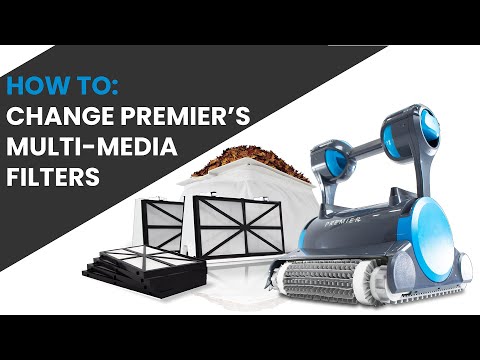
Many modern robotic cleaners—and even older models with conversion kits—let you switch between filter bags and cartridges depending on the situation. Some systems even combine multiple filtration layers, using a bag for large debris and finer filters for smaller particles at the same time.
That flexibility is a game-changer.
- Heavy Cleanup: Start the season with a high-capacity bag to handle heavy debris.
- Maintenance Mode: Switch to cartridges once things stabilize and you want that polished, crystal-clear look.
It’s a simple shift—but it completely changes how much effort you spend on maintenance. Think of it like using different tools for different jobs. You wouldn’t use a rake to clean dust—or a vacuum to pick up branches.
Same pool. Different strategy. Way less frustration.
5. Real-World Maintenance Tips to Save Time and Effort
5.1 Use Proper Rinsing Techniques for Faster Cleaning
Here’s a small mistake that turns a 2-minute job into a 10-minute chore: using the wrong rinsing method.
If you’ve ever tried cleaning a filter under a weak sink faucet, you already know—it doesn’t work. Debris stays trapped, especially in cartridge pleats or deep inside filter bags. A medium-pressure garden hose is the difference-maker.
It sounds simple, but it’s one of those “why didn’t I do this sooner?” moments. Done right, cleaning feels quick and satisfying. Done wrong, it feels endless.
5.2 Rotate Filters to Reduce Downtime
Ever pulled out a dirty filter, realized it’s still wet from the last rinse, and thought… “Do I really want to deal with this again right now?”
That’s where having a second set of filters changes everything. Many experienced pool owners rotate between two sets—one in the robot, one drying. It sounds like overkill, but it removes friction from your routine. No waiting. No rushing to clean before the next cycle.
It also helps with longevity. Letting filters dry properly reduces odors, prevents buildup, and keeps everything working more efficiently over time.
5.3 Clean Frequency Based on Pool Environment
How often should you actually clean your filter? Here’s the honest answer: it depends entirely on your pool.
| Pool Condition | Cleaning Frequency |
|---|---|
| Heavy Debris (Trees/Storms) | After every cycle |
| Typical Weekly Use | 1–2 times per week |
| Covered or Rarely Used | As needed (Bi-weekly or less) |
But here’s the key insight: don’t wait until performance drops. A dirty filter doesn’t just slow things down—it forces your robot to work harder, which can lead to wear, odors, and even long-term damage. Regular quick cleanings are far easier than dealing with a clogged, smelly filter later.
6. Conclusion: Which Filter Type Is Right for You?
So—filter bag or cartridge?
If you want fast, low-effort maintenance after every cleaning cycle, cartridges are hard to beat. Pop them out, rinse, done. Perfect for busy routines and keeping water looking crystal clear.
If you’d rather deal with maintenance less often—and your pool collects lots of leaves or heavy debris—filter bags make more sense. They hold more, run longer, and require fewer interruptions.
Because in the end, the “best” filter isn’t about specs—it’s about how much time and effort you’re willing to spend keeping your pool perfect.
Check Price on Amazon
FAQ
Q: Which pool filter type is faster to clean?
A: Based on maintenance analysis, filter cartridges are generally faster to clean. Their structured, pleated design allows for a quick rinse with a garden hose, whereas filter bags require detaching, turning inside out, and more thorough scrubbing to release trapped debris from the fabric fibers.
Q: Can filter bags handle more leaves than cartridges?
A: Yes, filter bags typically offer a greater debris holding capacity. Because they are flexible and expandable, they can capture larger volumes of leaves, twigs, and heavy seasonal debris without clogging as quickly as the rigid, fixed-space compartments of cartridge systems.
Q: Which filter is better for removing fine sand and algae?
A: Ultra-fine pleated cartridges are superior for water clarity. Their design acts as a high-precision sieve, capturing microscopic particles, dust, and pollen that often pass through standard filter bags, resulting in a more polished and crystal-clear pool finish.
Q: How often should I clean my robotic pool cleaner filter?
A: For optimal performance, it is recommended to rinse the filter after every cleaning cycle, especially in leafy environments. Regular maintenance prevents suction loss, reduces motor strain, and ensures the robot continues to effectively trap debris rather than pushing it back into the water.
Q: Is it worth having a second set of filters?
A: Rotating between two sets of filters is a highly efficient strategy. It allows you to swap in a clean, dry set immediately while the dirty set is being cleaned or dried, reducing robot downtime and preventing the development of odors or mold.