
How Often Should You Clean Your Pool Robot Filter Cartridges? (Exact Timing + Pro Maintenance Tips)
Aaron Cooper1. Introduction
Your robotic pool cleaner might look like it’s doing all the hard work—but behind that effortless glide is a filter cartridge quietly taking a beating. Every leaf, grain of sand, and trace of sunscreen ends up there. Ignore it, and suddenly your “set-it-and-forget-it” robot starts leaving debris behind, moving sluggishly, or worse… turning your crystal-clear pool cloudy.
2. How Often Should You Clean Pool Robot Filter Cartridges?
2.1 Cleaning Frequency Based on Pool Usage and Debris Levels
Let’s be honest—some pools live an easy life. Others? Constant leaf attacks, dust storms, and weekend pool parties. Your filter cleaning schedule should reflect that reality.
If your pool sits under trees or deals with heavy debris, you’ll want to clean the filter after every cleaning cycle. That might sound excessive… until you’ve seen a cartridge packed so tight it looks like a compost bin. At that point, your robot isn’t cleaning—it’s just pushing water around.
- Typical Residential Pools: A once or twice weekly rinse usually keeps things flowing smoothly.
- Covered/Low Use Pools: You can stretch it to every 2–3 cleaning cycles without sacrificing performance.
2.2 Seasonal and Real-World Timing Benchmarks
If you prefer a simple calendar-based rule, here’s the reality most pool owners settle into: during peak swim season, filters typically need attention every 2–6 weeks. That’s your baseline—but real life rarely sticks to a schedule.
Think about what actually happens around your pool. A single summer party can dump oils, sunscreen, and fine debris straight into your system. A storm? That’s leaves, dirt, and invisible particles all hitting your filter at once. In these cases, waiting for your “next scheduled cleaning” is a mistake. Clean it immediately.
On the flip side, during cooler months or when your pool isn’t used much, you can ease off significantly. Less swimming means fewer contaminants, and your filter simply doesn’t clog as fast.
The pattern is simple: heavy use compresses your schedule, light use stretches it. The smartest pool owners don’t follow a rigid timeline—they adjust based on what their pool just went through.
2.3 Using Pressure Readings as the Most Accurate Indicator
If you want the most precise, no-guesswork answer, stop looking at the calendar and start looking at your pressure gauge.
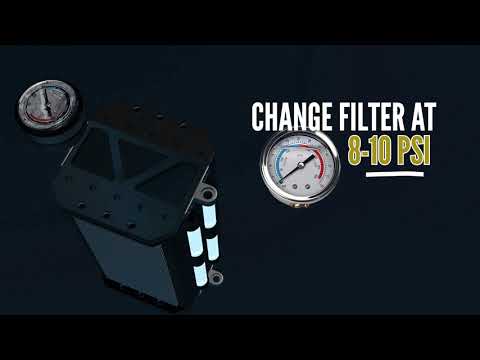
Your pool system has a “clean baseline” pressure—the number it reads right after a fresh filter cleaning. As debris builds up, water struggles to pass through, and pressure rises. Once it climbs by about 8–10 PSI above the normal operating level, that’s your signal. No debate. No delay. Clean it.
3. Key Signs Your Pool Robot Filter Needs Cleaning
3.1 Performance Drops: Weak Suction and Poor Cleaning Results
You’ll feel this before you even see it. One day your robotic cleaner is gliding across the pool, picking up everything in its path. The next? It’s धी—moving slower, missing debris, and leaving behind that annoying layer of grit.
That’s your filter choking.
When the cartridge is clogged, water flow drops dramatically. Less flow means weaker suction, and suddenly your robot can’t lift dirt, sand, or leaves the way it used to. You might also notice the robot taking longer to finish cycles or struggling to climb walls. These aren’t random glitches. They’re classic signs your filter is overdue for a clean.
3.2 Visual Clues: Dirty, Discolored, or Clogged Cartridges
Sometimes, the truth is right in your hands. Pull out your filter cartridge and take a look. A clean filter should appear light-colored—almost white or off-white—with clearly visible pleats. If what you’re holding looks dark, patchy, or packed with debris, that’s not “a little dirty.” That’s a clogged system waiting to fail.
Healthy Filter Signs
- Light/Off-white color
- Clearly visible pleats
- No matted debris
Warning Signs
- Dark or patchy discoloration
- Leaves wedged in pleats
- Slimy algae buildup
Get into the habit of checking your filter visually every time you remove the robot. It takes less than a minute—and can save you from hours of frustration later.
3.3 Water Quality Issues You Shouldn’t Ignore
This is where things go from annoying to alarming. If your pool starts looking cloudy—even after you’ve balanced chemicals and shocked the water—the filter is often the hidden culprit. A clogged cartridge can’t trap fine debris, so particles just circulate right back into the pool.
You might also notice debris settling faster than usual, or worse, floating right past your robot like it’s not even there. That’s a clear sign your filtration system isn’t doing its job.
Clean filter, clear water. It’s that simple. Ignore it, and you’ll be stuck in a cycle of cloudy water and constant maintenance.
4. Best Practices for Cleaning and Maintaining Filter Cartridges
4.1 Step-by-Step Cleaning: From Quick Rinse to Deep Soak
Let’s be real—most people pull out the filter, blast it for 30 seconds, and call it a day. That’s exactly how buildup sneaks in and slowly kills performance.
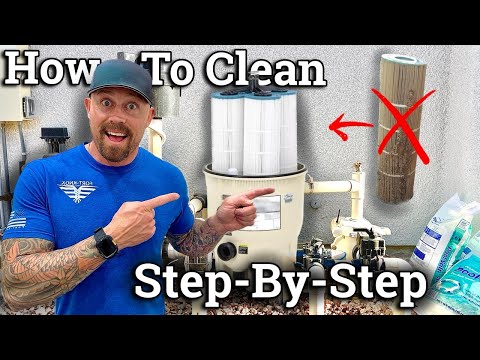
- Initial Rinse: Start by removing large debris like leaves or twigs.
- Methodical Spray: Take a garden hose and work methodically from top to bottom, spraying between every pleat. Not just the surface—the stuff hiding deep inside is what actually blocks water flow.
- Rotation: Rotate the cartridge as you go, making sure the runoff turns clear instead of murky.
This breaks down oils, sunscreen residue, and minerals that rinsing alone can’t touch. Think of it like washing greasy dishes—cold water helps, but it’s not enough. Do it right, and your filter doesn’t just look clean. It performs like new again.
4.2 Why Drying and Post-Clean Care Matter
You’ve rinsed it. Maybe even soaked it. Done, right? Not quite.
Letting the cartridge fully dry helps loosen any remaining particles trapped in the fibers and prevents that damp, musty buildup that can develop over time. It’s a simple step, but it makes a noticeable difference.
- Rinse your filter immediately after each cleaning cycle.
- Fresh debris rinses off easily; dried debris clings like glue.
- Allowing full drying prevents musty odors and fiber degradation.
This is the difference between a quick 2-minute rinse and a frustrating deep-clean session later. Clean it early. Let it dry. Save yourself the hassle.
4.3 How Regular Maintenance Extends Filter Lifespan
Neglect doesn’t just hurt performance—it costs you money. Every time a filter gets clogged and stays that way, water flow is restricted, the system works harder, and the cartridge fibers wear down faster. Over time, that “slightly dirty” filter turns into one that can’t trap fine debris at all.
On the flip side, consistent cleaning keeps everything running smoothly. Water flows freely, your robot maintains strong suction, and you avoid that slow decline where cleaning results get worse week after week.
"A well-maintained cartridge can last years under normal conditions, while a neglected one may need replacing far sooner."
Stay ahead of it, and your robot rewards you with effortless, reliable cleaning. Skip it, and you’ll feel it every time you step into a gritty pool.
5. When Cleaning Isn’t Enough: When to Replace Your Filter Cartridge
5.1 Signs It’s Time to Replace Instead of Clean
Sometimes, no matter how thoroughly you clean it… the filter just doesn’t bounce back.
Healthy Filter Signs
- Water turns clear quickly after a cycle.
- Normal rinsing intervals.
- Pleats are intact and firm.
Replacement Warning Signs
- Cleaning frequency has doubled.
- Physical damage (torn pleats, cracked ends).
- Pool remains cloudy despite clean filters.
A useful rule many pool owners follow is replacing after about 12–15 thorough cleaning cycles. Beyond that, performance often drops off noticeably. If cleaning stops restoring results, it’s time to stop rinsing—and start replacing.
5.2 Typical Lifespan and Cleaning Cycle Limits
So how long should a filter actually last?
| Factor | Standard Expectation |
|---|---|
| Typical Lifespan | 3–5 years |
| Cleaning Threshold | 12–15 Deep Cleans |
| Performance Drop Sign | Shorter intervals between cleanings |
Heavy debris, frequent use, and inconsistent maintenance can shorten that lifespan significantly. Every cleaning slightly wears down the filter fibers. Over time, those fibers separate, allowing finer debris to slip through instead of being captured.
6. Conclusion
There’s no single “perfect” schedule for cleaning your pool robot filter—and that’s actually the point. Your ideal routine depends on how often your pool is used, how much debris it collects, and what’s happening in your environment week to week.
The smartest approach combines three things:
- A flexible schedule: Adjusting based on seasonal debris.
- Attention to performance: Watching for suction changes.
- Consistent habits: Not skipping the post-cycle rinse.
Most importantly, stay proactive. A quick rinse today prevents a frustrating deep clean tomorrow—and keeps your robot running like it should. Because when your filter is clean, everything else becomes easier. Clear water. Strong performance. Less effort.
And honestly? That’s the whole reason you bought a pool robot in the first place.
FAQ
Q: How often should I rinse my pool robot filter cartridge?
A: For most residential pools, a rinse once or twice weekly is sufficient. However, if your pool is subject to heavy debris or high usage, cleaning the filter after every single cycle is recommended to maintain optimal suction and prevent the motor from overworking.
Q: What are the signs that my pool robot filter is clogged?
A: Primary indicators include a noticeable drop in suction, the robot moving sluggishly or failing to climb walls, and water remaining cloudy despite balanced chemicals. Visually, a filter requiring attention will appear dark, discolored, or have debris packed deep within its pleats.
Q: Can I use a pressure gauge to tell when to clean the filter?
A: Yes, using a pressure gauge is the most accurate method. When the system pressure rises 8–10 PSI above your clean baseline, it indicates that water flow is restricted by debris, signaling that an immediate cleaning is necessary to restore performance.
Q: How long do robotic pool filter cartridges typically last?
A: Under normal operating conditions and with regular maintenance, most cartridges last between 3 to 5 years. However, if you notice the filter requires cleaning more frequently than usual or the pleats are physically damaged, it is time for a replacement.
Q: Is it necessary to soak the filter cartridge during cleaning?
A: While a garden hose rinse removes surface debris, a deep soak in a cleaning solution for at least 6 hours is essential to break down oils, sunscreen, and mineral deposits that water alone cannot remove, ensuring the filter performs like new.