
How to Prevent Your Pool Robot from Getting Stuck on Steps: Proven Fixes, Setup Tips & Smart Upgrades
Aaron Cooper1. Introduction
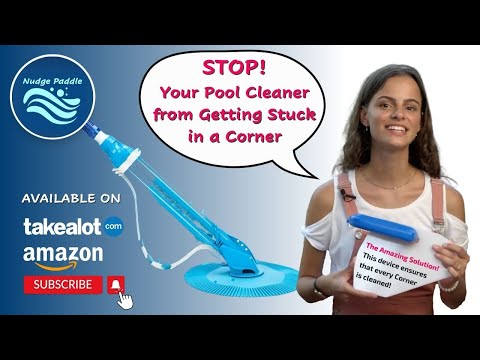
There’s nothing more frustrating than watching your pool robot do 90% of the job… only to find it stranded on the steps again. It’s supposed to save you time, not turn into something you have to babysit every 20 minutes.
If this keeps happening, you’re not alone—and more importantly, it’s usually fixable. In this guide, you’ll learn exactly why pool robots get stuck on steps, the simple physical fixes that actually work, and the small setup tweaks that can completely change how your cleaner moves. Because once it runs uninterrupted? That’s when it finally feels worth it.
2. Why Your Pool Robot Gets Stuck on Steps in the First Place
2.1 Navigation Limits: Why Robots Misread Steps as Climbable Surfaces
Here’s the uncomfortable truth: most pool robots aren’t as “smart” as we assume.
To a human, a pool step is obviously a ledge. To a robot? It often looks like a gentle slope or just another patch of dirt to clean. Its sensors don’t truly understand edges—they interpret shapes based on simple rules. So when it approaches a step, it tries to climb.
And that’s where things go wrong.
As it attempts the climb, the wheels or tracks lose contact with the pool floor. The robot gets “high-centered”—balanced awkwardly with no traction to move forward or backward. It just sits there. Spinning. Stuck.
If you’ve ever walked outside and seen your robot frozen halfway on a step again… now you know why. It’s not stubborn. It’s blind.
2.2 Mechanical Wear and Loss of Traction
Sometimes, the issue isn’t intelligence—it’s grip.
Pool robots depend on brushes, tracks, and wheels to maintain contact with surfaces. Over time, those parts wear down. And when they do, something subtle but critical happens: the robot loses its ability to “hold” onto edges.
Worn brushes reduce ground clearance. Flattened wheels lose bite. Slightly loose tracks slip at the worst possible moment—like when climbing a step.
What used to be a smooth transition over steps turns into a failed climb. The robot nudges forward, hesitates, then slides back… or worse, gets stuck in place.
This is why a robot that worked perfectly last season suddenly struggles this year. Nothing dramatic changed. Just gradual wear.
Across maintenance guides and troubleshooting data, there’s a consistent takeaway: restoring traction—by cleaning, tightening, or replacing worn components—often brings a “stuck” robot back to life. In many cases, it’s not broken. It’s just tired.
2.3 Water, Cable, and Filter Issues That Make It Worse
Now here’s where things get sneaky. Even a perfectly functioning robot can start failing if its environment is off.
Start with water level. A drop of just an inch or two changes buoyancy and balance, making the robot tip incorrectly when approaching steps. That tiny shift is enough to ruin a climb.
And finally, the most overlooked culprit: the cable.
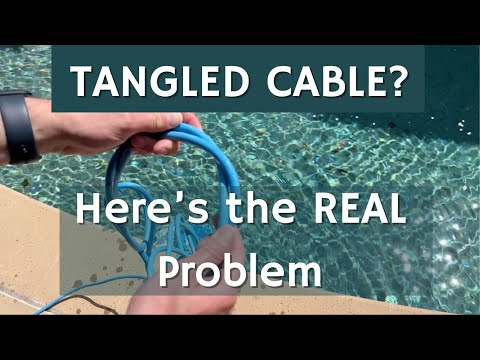
Over time, cables twist, stiffen, and lose flexibility—especially when left in the pool long-term. As noted in common robotic cleaner troubleshooting insights, tangled cables can physically prevent the robot from reversing or repositioning itself. In real-world use, this often means the robot could escape a step… but the cable won’t let it.
3. Physical Fixes That Stop Your Pool Robot from Getting Trapped
3.1 Install Ladder Guards or Remove the Obstacle Entirely
If your robot keeps getting stuck in the same spot, here’s a bold but effective idea: stop it from going there in the first place.
Pool ladders and steps are one of the biggest trap zones. The gaps underneath, the rails, the angles—it’s basically a maze designed to confuse robots.
That’s why ladder guards work so well.
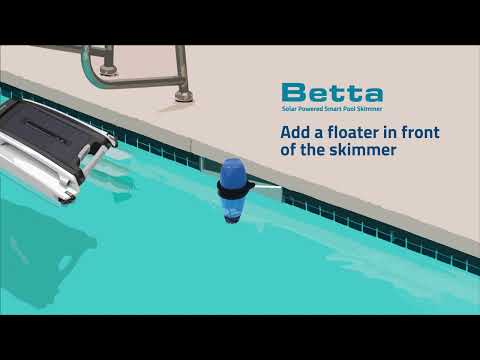
These simple add-ons act like a physical shield, blocking the robot (and its hose or cable) from slipping underneath ladders or into tight step gaps. According to manufacturer guidance on ladder compatibility, this is one of the most reliable fixes available—especially for suction-side cleaners.
3.2 DIY Barriers and Smart Pool Layout Adjustments
Don’t want to buy extra accessories? You can still outsmart the problem with a bit of creativity.
One surprisingly effective solution is building a small barrier around your steps—often using a simple PVC pipe setup. Weighted down (sometimes filled for stability), this creates a low-profile ridge that blocks the robot from entering the “danger zone” under steps.
Another underrated fix? Adjusting your pool layout slightly.
- Shift the ladder a few inches
- Angle it differently
- Move it out of the robot’s main cleaning path
These small tweaks reduce the chances of direct collisions, which is usually how robots end up climbing into trouble in the first place.
3.3 Use Hose Floats and Tension Control to Avoid Snagging
If your robot uses a hose or cable system, this part matters more than you think.
Too much slack is a problem. When the hose drifts freely, it can sink under steps, wrap around ladder rails, or pull the robot into awkward angles. That’s often the hidden reason your cleaner gets stuck in places it should be able to escape.
There’s also a subtle but powerful effect here: when the hose moves cleanly, the robot moves cleanly. Get the tension right, and suddenly… fewer snags. Fewer stops. Way less babysitting.
4. Setup Tweaks That Instantly Improve Navigation
4.1 Reduce Hose Slack and Optimize Cleaner Pathing
If your pool robot feels unpredictable—getting stuck one day, working fine the next—there’s a good chance the issue isn’t the robot itself. It’s the way it’s being “guided.”
When excess hose floats freely, it drifts under steps, wraps around ladder rails, and subtly pulls the cleaner off its natural path. That pull changes how the robot approaches obstacles—turning what should be a smooth climb into an awkward angle that leads to getting stuck.
The fix is surprisingly simple: shorten and straighten.
Many pool owners notice that once the hose stops “deciding its own path,” the robot suddenly feels smarter. It’s not bumping into steps from weird angles anymore. It’s gliding.
Clean path in. Clean path out.
4.2 Maintain Proper Water Level for Stable Climbing
Here’s something most people overlook: your robot’s performance can change dramatically with just a tiny drop in water level.
We’re talking as little as one or two inches.
That small difference shifts buoyancy—how the robot balances itself in water. And when that balance is off, everything changes. The robot may tilt too far forward when approaching steps, or lose the stabilizing lift it needs to maintain traction.
The result? Failed climbs that never used to happen.
It’s frustrating because it feels random. Yesterday it worked. Today it’s stuck. But when you dig into common step-climbing failure patterns, water level consistently shows up as a root cause. The robot isn’t malfunctioning—it’s just operating in slightly different physics.
The fix is easy: keep water levels consistently at or slightly above the skimmer line.
It’s a small habit. But it keeps your robot balanced, stable, and far less likely to get stranded halfway up a step.
4.3 Keep Filters, Tracks, and Brushes in Peak Condition
If your robot used to glide over steps but now struggles, don’t assume it’s aging out. It’s probably just clogged, worn, or overdue for attention.
Start with the filter.
A dirty filter restricts water flow inside the robot, which directly reduces suction and internal pressure. That pressure is what helps keep the robot planted against surfaces. Lose it, and the robot starts slipping exactly where it needs grip the most—on steps.
Then check brushes and tracks.
- Brushes: Worn brushes reduce contact with the surface.
- Tracks: Loose tracks slip under load.
Even minor wear can turn a confident climb into a failed attempt. The pattern is consistent across maintenance data: clean robot = stronger climbing = fewer stuck moments.
5. Accessories vs Upgrades: When to Fix and When to Upgrade Your Robot
5.1 Simple Add-Ons Like Nudge Paddles and Anti-Tangle Solutions
Sometimes, the smartest fix isn’t replacing your robot—it’s changing how it moves. That’s exactly what accessories like nudge paddles are designed to do.
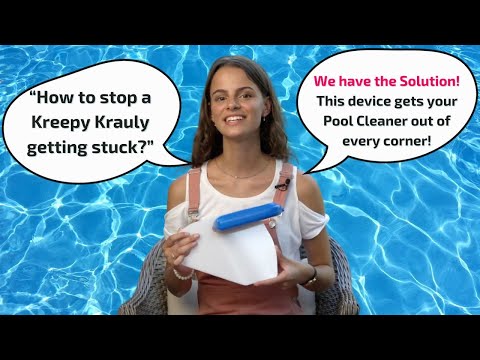
A nudge paddle attaches to the hose and adds subtle, continuous movement dynamics. As water flows and the hose pulses, the paddle creates gentle lateral force—nudging the hose away from walls, steps, and tight corners.
The effect builds over time. Instead of the hose settling into a “trap zone,” it keeps shifting. Keeps drifting. Keeps the robot from approaching obstacles the same problematic way every cycle.
There’s also a second benefit: separation. By keeping the hose slightly off the pool wall, it reduces the chance of the cleaner being pinned into steps or ladders in the first place.
It’s not dramatic. It’s not instant. But over a full cleaning cycle? It can mean the difference between getting stuck three times… or not at all.
5.2 Cost vs Impact: Are Accessories Enough?
Here’s the honest answer: accessories help—but they’re not magic. They’re best at solving movement-related problems like hose tangling, repetitive pathing, and mild navigation inefficiencies.
Pros
- Adjusts problematic behavior
- Reduces manual intervention
- Cost-effective for older models
Cons
- Doesn't upgrade robot intelligence
- Limits to solving deep navigation logic issues
If your robot keeps trying to climb the same step over and over, no amount of hose tweaking will fully fix that pattern. That’s why some pool owners end up stacking solutions—floats, paddles, guards—only to see partial improvement.
Less frustration? Yes. Perfect automation? Not quite.
At some point, you have to ask: am I optimizing around a limitation… or ready to eliminate it?
5.3 What to Look for in a Step-Friendly Pool Robot
If you’re considering an upgrade, this is where things get interesting—because modern pool robots don’t just move randomly anymore. They “understand” your pool.
The biggest leap forward is navigation technology:
- Gyroscope Systems: Robots track their position in real time to prevent repetitive patterns and getting stuck in the same spot.
- Advanced Mapping: Models use laser or sonar to build a 3D layout, recognizing steps as obstacles rather than climbable terrain.
- 3D Navigation: Some use real-time 3D mapping with laser-guided navigation to approach steps at better angles.
- Mobility Design: Jet-assisted or advanced drive systems help maintain stability during transitions.
The result? Instead of reacting to steps… these robots anticipate them. That’s the difference between “sometimes gets stuck” and “just quietly finishes the job.”
6. Conclusion
If your pool robot keeps getting stuck on steps, it’s rarely just one issue—it’s usually a combination of small factors adding up. The good news? Most of them are fixable.
Start with the basics: reduce hose slack, maintain proper water levels, and keep your filters and brushes clean. Then layer in smart physical solutions like ladder guards or hose floats to eliminate common trap zones.
If you’re still dealing with interruptions, accessories can help smooth out movement—but they have limits. And that’s where upgrades come in. Modern robots with advanced navigation and mapping don’t just wander blindly—they actively avoid the situations that cause older models to fail.
But here’s the key takeaway: you probably don’t need a new robot right away.
Fix the setup first. Optimize what you have. Because when everything is dialed in, your robot finally does what it was meant to do—clean the entire pool… without needing you to rescue it.
FAQ
Q: Why does my pool robot keep getting stuck on the same step?
A: Most robots misinterpret steps as flat surfaces due to navigation limits. When the robot attempts to climb, it often loses traction or becomes high-centered. This is frequently exacerbated by random navigation patterns that lead the robot into the same trap repeatedly throughout a cleaning cycle.
Q: How does water level affect a pool robot's climbing ability?
A: Buoyancy is critical for balance. A drop in water level by just an inch or two can shift the robot's center of gravity, causing it to tilt incorrectly or lose the stabilizing lift needed to maintain grip on vertical transitions like stairs or ledges.
Q: Can a dirty filter cause a pool robot to get stuck?
A: Yes. A clogged filter restricts internal water flow, which reduces the downward suction and internal pressure used to keep the robot planted against pool surfaces. Lower pressure leads to slipping and failed climbs, especially on smooth step surfaces where grip is essential.
Q: What are ladder guards and do they actually work?
A: Ladder guards are physical barriers installed to block robots from entering tight gaps under ladders or around steps. They are highly effective at preventing the robot or its cable from becoming physically wedged, which is a common cause of mid-cycle interruptions.
Q: How can I improve my robot's pathing without buying new parts?
A: The most effective free fix is optimizing hose length. Ensure the hose or cable is only long enough to reach the furthest corner of the pool. Excess slack causes tangles and creates drag that pulls the robot into awkward angles against steps.