
The Real Cost of Owning a Robot Mower: Electricity, Parts & ROI Breakdown
Aaron Cooper1. Introduction
At first glance, robot mowers feel expensive—sometimes shockingly so. Dropping over a thousand dollars (or more) on something that just cuts grass? Easy to hesitate. But here’s the catch: the sticker price is only a small piece of the story.
When you zoom out and look at electricity, maintenance, replacement parts, and—most importantly—your time, the math starts to shift. Fast. In this guide, we’ll break down the real cost of owning a robot mower, so you can see whether it’s actually a luxury… or a surprisingly smart long-term investment.
2. Upfront Costs vs. Long-Term Ownership: What You Actually Pay

2.1 Robot Mower Price Tiers and What You Get
Let’s address the obvious pain point first: the upfront price. Yes, robot mowers cost more than a basic push mower. That’s the barrier that stops most people right there.
But not all robot mowers are priced the same—and more importantly, you’re not just paying for “cutting grass.” You’re paying for automation.
Here’s how the tiers typically break down:
| Tier | Price Range | What You Actually Get |
|---|---|---|
| Entry-Level | $500–$1,000 | Basic boundary wire navigation, simple scheduling, best for small flat lawns |
| Mid-Range | $1,000–$2,500 | Smarter navigation (GPS or hybrid), app control, handles moderate slopes |
| Premium | $2,500–$5,000+ | Advanced navigation, better terrain handling, larger battery, near full automation |
So what’s driving that price jump?
- Navigation tech (think GPS or LiDAR—basically how the mower “sees” your yard)
- Battery size (how long it can run before heading back to recharge)
- Terrain capability (flat lawn vs. slopes, obstacles, multiple zones)
And that’s the whole point. You’re not buying a mower. You’re buying your weekends back.
2.2 Installation Costs Most Buyers Forget
Here’s where a lot of buyers get caught off guard. You’ve picked your mower, you’re ready to go… and then you realize it doesn’t magically know where your lawn ends.
Most robot mowers need:
- A charging station installed in a smart location
- Boundary wires (for traditional models)
- Initial mapping and setup
Typical costs look like this:
- DIY setup: $0 (just your time and patience)
- Standard professional install: $200–$500
- Complex properties: up to $1,000+
Newer wire-free systems reduce this pain significantly, but they’re usually in the mid-to-premium tier. So yes, installation is a one-time cost—but it’s also the difference between a smooth experience and early frustration.
2.3 5-Year Ownership Snapshot: A Realistic Budget
Let’s zoom out and answer the question everyone actually cares about: “What will this cost me over time?”
Based on aggregated real-world projections, here’s what a typical 5-year ownership looks like:
| Lawn Size | Initial Cost (Mower + Install) | 5-Year Total Cost |
|---|---|---|
| Small Lawn | ~$750 | ~$2,150 |
| Medium Lawn | ~$1,700 | ~$3,950 |
| Large Lawn | ~$4,500 | ~$5,750 |
At first glance, that still feels like a lot. But compare that to alternatives:
- Hiring a lawn service? Easily $1,800–$2,600 per year
- Gas mower ownership? Ongoing fuel, maintenance, and time
Instead of “expensive gadget,” it starts looking like a capped, predictable investment. By year two or three, you’re no longer comparing price. You’re comparing ongoing cost vs. near-zero effort.
3. Electricity, Parts & Maintenance: The Hidden (But Surprisingly Low) Costs
3.1 Electricity Costs: Why Robot Mowers Are So Efficient
Let’s talk about the part everyone overestimates: electricity.
There’s a common assumption that a robot mower running daily must be racking up a noticeable power bill. In reality? It’s barely a blip.
Most robot mowers use only about 0.5–2 kWh per week, which translates to:
- Roughly $15–$60 per year in electricity
- Sometimes even less for smaller lawns
Robot Mower Efficiency
- $15–$60 annual electricity cost
- Zero emissions at point of use
- Sips energy incrementally
Traditional Gas Mower
- $100–$150+ annually in fuel
- Requires heavy oil and filters
- $2–$5 per individual session
The difference becomes obvious fast. Robot mowers sip energy. Gas mowers burn through it. You don’t notice the cost. You just notice the lawn is always done.
3.2 Consumables: Blades, Batteries, and Small Parts
Nothing mechanical is truly “set it and forget it.” But robot mower upkeep is surprisingly minimal.
Blades: Robot mowers use small, razor-like blades instead of large heavy ones. They’re cheaper and easier to replace.
- Typical cost: around $15–$30 per year
Battery: This is the big one—but it’s not frequent.
- Lifespan: 3–5 years
- Replacement cost spread over time: roughly $18–$30 per year
Other small parts: Occasional boundary wire fixes, connectors, or minor wear items—usually negligible annually.
3.3 Maintenance & Repairs: Why There’s Less to Worry About
If you’ve ever owned a gas mower, you already know the routine: oil changes, carburetor cleaning, spark plug replacements, and those times it just won’t start. Now imagine all of that gone.
Robot mowers have:
- Fewer moving parts
- No combustion engine
- Minimal mechanical stress
Which is why annual maintenance typically lands around $0–$50 per year. Compare that to $100–$150+ for gas mowers, and the gap becomes obvious.
But overall? The maintenance experience is dramatically simpler. It doesn’t demand your attention. It quietly does its job. And that’s exactly why people stick with them.
4. Robot Mower ROI: Is It Actually Worth It?
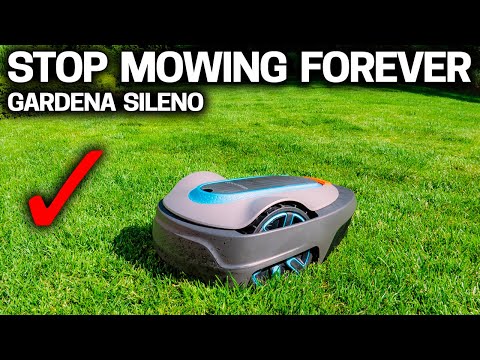
4.1 Robot Mower vs Lawn Service: The Biggest Savings Opportunity
Let’s start with the scenario that makes most people do a double take.
You’re paying for lawn service. Maybe $40, $60, even $80 per visit. It feels manageable… until you stretch that over years.
For a typical U.S. home, that adds up to $1,800–$2,600 per year. Over five years? You’re staring at five figures.
Now compare that to a robot mower.
A widely cited real-world example shows a homeowner spending about just $1,624 over five years with a robot mower, versus roughly $12,000 for weekly service. That gap isn’t small—it’s massive.
And here’s the emotional reality:
- No waiting for the crew
- No rescheduling because of rain
- No “they skipped this spot again” frustration
Your lawn just… stays done.
The payback period is shockingly fast too—often within the first year. After that, every season feels like you’ve canceled a subscription you didn’t realize was draining your wallet.
4.2 Robot vs Gas, Riding, and Push Mowers
What if you’re not paying for a service? What if you’re doing it yourself?
This is where things get more nuanced—and more interesting.
Here’s a simplified 5-year comparison:
| Mower Type | Upfront Cost | 5-Year Operating Cost | Total Effort |
|---|---|---|---|
| Gas Push | Low ($200–$600) | High (fuel + maintenance) | High |
| Riding Mower | High ($2,000–$4,000+) | High (fuel + repairs) | Medium |
| Robot Mower | Medium–High ($1,500–$3,500) | Low (electricity + parts) | Near Zero |
Gas and riding mowers look cheaper upfront—but they quietly rack up:
- Fuel costs every season
- Maintenance bills (oil, filters, repairs)
- Wear and tear over time
Robot mowers flip that equation:
- Higher upfront
- Minimal ongoing costs
- Almost zero manual effort
Financially, they often break even within 2–3 years compared to gas or riding mowers. After that, you’re operating at a lower yearly cost.
Pros
- Dramatically reduces long-term costs
- Near zero manual effort
- Low ongoing maintenance
Cons
- They won’t edge perfectly (you’ll still need a quick trim)
- Complex yards can reduce efficiency
- Upfront cost still stings
So no, they’re not perfect replacements. But they dramatically reduce both cost and effort over time.
4.3 The Value of Your Time (The Real ROI Multiplier)
Now let’s talk about the part most people underestimate: your time.
Because this is where the math gets… uncomfortable.
Over five years:
- Push mower users spend 375+ hours mowing
- Riding mower users: 250+ hours
- Robot mower users: basically none
That’s weeks of your life. Entire weekends. Gone.
And this is where ROI stops being theoretical. It becomes personal.
Imagine this instead: It’s Saturday morning. You wake up, grab coffee, step outside… and the lawn is already perfect. No noise. No sweat. No planning your weekend around yard work.
That’s the real return. Not just money saved—but time reclaimed.
5. What Drives Costs (and How to Keep Them Low)

5.1 Lawn Size, Terrain, and Complexity
Not all lawns are created equal—and your yard directly controls how much you’ll spend.
A small, flat lawn? That’s the dream scenario:
- Lower upfront cost
- Faster mowing cycles
- Minimal battery strain
But once you add slopes, trees, obstacles, narrow passages, or multiple zones, things change quickly. The mower needs:
- More advanced navigation
- Larger battery capacity
- Longer run times
Which usually means a higher price tier.
5.2 Navigation Technology: Efficiency vs Cost Trade-offs
This is one of the biggest—and most misunderstood—cost drivers. How your mower “thinks” about your lawn determines everything.
Boundary wire systems
- Lower cost
- Reliable
- But require installation and limit flexibility
RTK GPS (satellite-based positioning)
- Enables clean, systematic mowing lines
- Reduces overlap and wasted battery
- But requires strong signal and careful setup
Vision / LiDAR systems
- No wires
- Flexible placement
- Better for complex or shaded environments
In plain English? Better navigation = less randomness. A mower that moves efficiently uses less electricity, finishes faster, and puts less wear on parts.
5.3 Simple Ways to Reduce Operating Costs
Here’s the good news: once you own a robot mower, keeping costs low is surprisingly easy.
- Optimize your mowing schedule: Running the mower during peak growth seasons—and scaling back in slower months—reduces unnecessary wear.
- Place the charging station strategically: A shaded, central location helps prevent overheating and improves battery longevity.
- Keep your lawn “robot-friendly”: Remove debris, minimize obstacles, and define clear zones. Less confusion = less wasted energy.
- Adjust for seasons: Grass grows faster in spring and summer, slower in fall. Matching your schedule avoids overuse.
- Stay on top of blade changes: Sharp blades mean cleaner cuts and less strain on the motor.
None of these require technical expertise. But together, they extend battery life, reduce part replacements, and keep your mower running efficiently for years.
6. Conclusion: When a Robot Mower Makes Financial Sense
So, is a robot mower actually worth it?
If you’re only looking at the sticker price, it might not seem that way. But once you factor in electricity (surprisingly low), maintenance (minimal), and long-term savings, the picture changes quickly.
For homeowners paying for lawn service, the math is almost undeniable—payback can happen within a year, followed by thousands in savings. For DIY users, the decision hinges more on how much you value your time. And that’s where robot mowers quietly dominate.
They’re not perfect. You’ll still edge occasionally, and complex lawns require smarter models. But for busy households, pet owners, or anyone tired of sacrificing weekends to yard work, they offer something more valuable than savings.
They give you your time back. And that’s the one thing traditional mowers never will.
FAQ
Q: How much does electricity for a robot mower cost per year?
A: Based on energy consumption data, most robot mowers use between 0.5 to 2 kWh per week. This typically results in an annual electricity cost of only $15 to $60, making them significantly more energy-efficient than gas-powered alternatives.
Q: How often do robot mower blades need to be replaced?
A: Robot mowers use small, razor-like blades that should generally be replaced every 1 to 3 months depending on grass type and lawn size. A full year of replacement blades typically costs between $15 and $30.
Q: What is the typical lifespan of a robot mower battery?
A: Most high-quality lithium-ion batteries in robot mowers last between 3 to 5 years. Replacement costs vary by model, but when averaged over the lifespan of the machine, it equates to a small annual expense.
Q: Do robot mowers require professional installation?
A: While many homeowners choose a DIY setup to save money, professional installation typically costs between $200 and $500. This is often recommended for complex yards with multiple zones, steep slopes, or numerous obstacles.
Q: How does a robot mower compare to a professional lawn service?
A: Data analysis shows that while a robot mower has a higher upfront cost, it can save thousands over five years. Professional services often cost over $2,000 annually, whereas robot mower upkeep is minimal.