
Best Robot Vacuums for Pet Hair on Carpets and Hard Floors: Top Picks for Zero Tangles & Powerful Cleaning
Aaron Cooper1. Introduction
If you’ve ever watched pet hair drift across hardwood like tumbleweeds—or worse, felt it woven deep into your carpet—you already know: cleaning a pet home isn’t just “vacuuming.” It’s a daily battle.
Hard floors expose every strand. Carpets hide it, trap it, and refuse to let go. And most robot vacuums? They’re great at one… and struggle with the other.
That’s exactly why this guide exists. We’re breaking down what actually works—based on real-world performance, not marketing—and showing you which robot vacuums truly handle pet hair across both carpets and hard floors, without constant brush cleaning or frustration.
2. What Actually Matters for Pet Hair Performance (Carpets vs. Hard Floors)

2.1 Why Carpets Are the Real Test for Robot Vacuums
Let’s be honest—hard floors are the easy part.
Pet hair sits right on the surface. Almost any decent robot vacuum can sweep it up in a single pass. That’s why many people think their robot is “amazing”… until they check the carpet.
And according to independent stress tests simulating embedded pet hair, the average robot vacuum only manages about 77% pickup on carpets even after two cleaning runs.
That means nearly a quarter of the hair is still there. Still stuck. Still building up.
You see the problem?
And it gets worse. Many modern robot vacuums are hybrid vacuum-mop combos. Sounds great—until you realize their brush rollers often sit slightly higher to avoid dragging wet mop pads. Less contact with carpet = weaker hair pickup.
The result? Your floors look clean… but your carpets quietly collect everything.
2.2 Suction Power vs. Brush Design: Which One Matters More?
It’s tempting to chase big suction numbers. 20,000 Pa. 30,000 Pa. Even higher.
But here’s the uncomfortable truth: suction alone doesn’t solve pet hair.
Imagine trying to pull hair out of carpet fibers using just airflow. Without the right brush, it’s like trying to lift lint with a fan. You need agitation—something that actually digs in and pulls hair loose.
Across multiple independent comparisons, robots with dual rollers or specialized anti-tangle brushes consistently outperform higher-suction models with basic designs. In fact, some models with moderate suction but advanced brush systems rival (or beat) flagship units in real pet hair pickup.
Why?
- Dual rollers agitate carpet fibers from multiple angles
- Rubber brushes maintain better contact without clogging
- Smart designs guide hair directly into the suction path
2.3 Anti-Tangle Technology: The Make-or-Break Feature for Pet Owners
Now let’s talk about the part nobody warns you about…
You flip your robot over. And there it is. A thick, disgusting coil of hair wrapped around the brush.
You pull. It stretches. It snaps. You grab scissors. Ten minutes later, you’re questioning your life choices.
This is exactly why anti-tangle technology has become the make-or-break feature for pet owners. Traditional bristle brushes are the worst offenders. Hair wraps tightly, builds up around the ends, and eventually chokes performance.
Modern solutions fix this in very different ways:
- Rubber roller systems: smoother surfaces that resist tight wrapping
- Dual brush designs: move hair in controlled paths instead of letting it coil
- Cutting or “split” brush systems: actively break up hair before it tangles
The difference isn’t subtle. It’s night and day. In fact, some of the best-performing models combine high pickup + near-zero tangling, which dramatically reduces weekly maintenance.
Because the goal isn’t just clean floors. It’s never having to sit on the floor untangling hair again.
3. Best Robot Vacuums for Pet Hair: Top Models Compared
3.1 Best Overall Performers for Mixed Floors
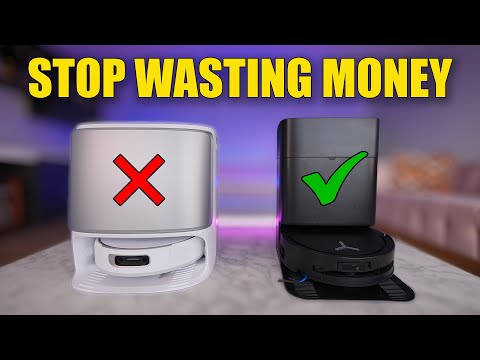
If your home has both carpets and hard floors, you need balance. This is where flagship models like the Roborock S8 MaxV Ultra and Dreame X60 Max Ultra Complete stand out.
Take the Dreame X60 Max Ultra Complete. It combines extremely strong suction with a specialized anti-tangle brush system and edge-reaching side brush. In independent testing, it achieved an exceptional carpet deep-clean score close to 89%, which is significantly above average.
The Roborock S8 MaxV Ultra takes a different approach. Its twin rubber brushroll system focuses on consistent contact and reduced tangling, which translates into reliable performance across both surfaces.
Pros
- Auto-emptying dustbins
- Self-washing and drying mop systems
- Smart navigation that avoids pet toys
Cons
- High premium price point
- Slightly reduced carpet contact in some hybrid designs
3.2 Best Value Picks That Rival Flagship Performance
You don’t have to spend $1,000+ to get excellent pet hair performance anymore. Mid-range models like the Eufy L60 and Dreame L40S Ultra have completely changed the value game.
The Eufy L60 is a perfect example. It ranked at the top in both pet hair pickup and resistance to tangling in comparative testing—something you’d normally expect only from premium devices.
| Model | Core Strength |
|---|---|
| Eufy L60 | Top-tier anti-tangle & pet hair pickup |
| Dreame L40S Ultra | Strong debris pickup & self-cleaning features |
3.3 Specialized Picks for Carpet, Hardwood, and Heavy Shedding
Not all homes are created equal. Let’s break down the specialized winners:
- For carpet-heavy homes: You want strong suction + aggressive brush design. Models like the Dreame X60 Max Ultra Complete stand out here.
- For mostly hard floors: Edge cleaning and navigation matter more. Models like the Roomba j7+ shine here with superior obstacle avoidance for pet toys and daily chaos.
- For heavy shedding (multiple pets): Automation is essential. You need self-emptying bins and strong anti-tangle brushes to stay ahead of the "fur snow."
4. Smart Features That Actually Make Life Easier for Pet Owners

4.1 Obstacle Avoidance and Pet Safety (Toys, Bowls, and Accidents)
Let’s talk about the nightmare scenario.
Your robot is happily cleaning… until it runs straight through a pile of pet mess, drags it across your floors, and turns a quick cleanup into a full-blown disaster.
Modern robot vacuums use advanced sensors, cameras, and AI to recognize everyday obstacles like toys, cables, and food bowls. Some even identify and avoid pet waste entirely. In fact, models like the Roomba j7+ are widely recognized for their ability to detect and steer clear of these hazards, preventing the kind of mess no one wants to deal with.
And it’s not just about accidents.
Think about daily clutter: chew toys, socks, water bowls slightly out of place. Without smart navigation, your robot gets stuck, bumps around, or misses areas entirely.
High-end systems now map your home and dynamically reroute in real time. Some can even detect objects as small as a few centimeters, dramatically reducing interruptions mid-clean.
The result? You don’t have to “prep” your house every time you run it. You just press start—and trust it won’t make things worse.
4.2 Self-Emptying and Fully Automated Cleaning Systems
Now imagine this:
It’s shedding season. Hair is everywhere. You run your robot… and five minutes later, the dustbin is full.
You empty it. Run again. Full again.
That’s the moment most people realize—automation isn’t optional with pets.
Self-emptying systems completely change the experience. Instead of stopping mid-clean, the robot returns to its dock, empties itself, and keeps going. Over time, that dock can hold weeks’ worth of hair and debris.
And in homes with multiple pets?
This isn’t a luxury. It’s survival.
Even better, premium systems go far beyond just emptying dust:
- They wash and dry mop pads automatically
- Refill water tanks
- Manage dirty water disposal
- Maintain hygiene without manual effort
Because let’s be honest—no one buys a robot vacuum to babysit it.
4.3 Smart Mapping, Scheduling, and Pet-Friendly Zones
Here’s where things start to feel… effortless.
Instead of randomly bumping around your house, modern robot vacuums use LiDAR (laser-based mapping that works like a spinning “eye” to scan your home in 360°) or camera-based systems to create precise floor maps.
What does that mean for you?
Total control.
You can:
- Set no-go zones around food bowls or litter boxes
- Create pet zones that get cleaned more frequently
- Schedule cleaning when your pets are out—or asleep
From real-world usage patterns, one simple habit makes a huge difference: running the robot more often. Daily runs, especially in high-shedding homes, keep hair from ever building up in the first place.
And the best part?
You don’t have to think about it.
Set it once. Let it run automatically. Adjust when needed.
It’s the difference between constantly reacting to pet hair… and quietly staying ahead of it.
5. Real-Life Buying Guide: Choosing Based on Your Pets and Home
5.1 How Flooring Mix Changes Your Robot Vacuum Needs
Here’s the truth most buying guides skip:
Your floors matter just as much as your pets.
Because pet hair behaves completely differently depending on where it lands.
On hard floors, hair sits on the surface. Easy to see. Easy to pick up. Most decent robot vacuums handle this well.
But carpets? That’s where things get tricky.
Hair gets embedded, pressed down, and tangled into fibers. And according to controlled carpet stress tests, even good robot vacuums average only about 77% pickup after multiple passes.
That’s a big gap.
So your buying strategy should match your home:
| Flooring Type | Priority Features |
|---|---|
| Mostly hard floors | Navigation, edge cleaning, and consistency |
| Mixed flooring | Automatic surface detection and strong brush systems |
| Carpet-heavy homes | Brush design + suction + anti-tangle tech |
One more thing: hybrid vacuum-mop models can slightly reduce carpet performance because their brush sits higher to avoid dragging mop pads.
5.2 Noise, Pet Comfort, and Daily Scheduling Strategies
Robots don’t just clean your home—they live in it. With your pets.
And pets notice everything.
On hard floors, sound reflects and amplifies. On carpets, it’s naturally dampened. That’s why the same robot can feel quiet in one room… and loud in another.
For noise-sensitive pets, this matters more than you’d expect.
Some dogs will follow it around. Others will run and hide the second it starts.
So what’s the workaround?
Scheduling.
Instead of running the robot when you’re home:
- Set it to clean while you’re at work
- Run it after walks, when pets are calmer
- Use lower suction modes for daily maintenance
Many modern robots let you fine-tune this completely—room by room, time by time.
And once you find the right rhythm?
Your robot becomes invisible.
It cleans. Your pets relax. No stress, no chaos.
5.3 Maintenance Reality: What You’ll Actually Need to Do Weekly
Let’s clear up a myth:
Even the best robot vacuum is not “zero maintenance.”
Yes, anti-tangle brushes help. A lot. But they don’t eliminate maintenance completely.
Here’s the real-world routine most pet owners end up with:
- Brush cleaning: about once a week (more with long-haired pets)
- Filter maintenance: light cleaning weekly, replacement every few months
- Side brush and wheels: occasional hair removal
- Dock maintenance (if you have one): replacing dust bags periodically
Why does this matter?
Because hair buildup doesn’t just look bad—it kills performance.
The good news?
Modern designs make this faster and less painful than it used to be. Rubber rollers, anti-tangle systems, and self-empty docks reduce the mess dramatically.
But the key mindset shift is this:
You’re not eliminating maintenance. You’re minimizing it. And compared to manually vacuuming your entire home? It’s not even close.
6. Conclusion: The Smart Way to Stay Ahead of Pet Hair
Pet hair isn’t going away. But your time spent dealing with it absolutely can.
The biggest takeaway? Don’t get distracted by specs alone. Real-world performance comes down to brush design, anti-tangle systems, and how well a robot handles carpets—not just raw suction numbers.
Match the robot to your home. Carpet-heavy spaces need deep-cleaning performance. Hard floors benefit from consistency and smart navigation. And if you have multiple pets, automation features like self-emptying quickly go from “nice” to necessary.
Most importantly, think beyond cleaning power. The best robot vacuum is the one that fits into your daily life—running automatically, staying out of trouble, and quietly keeping hair under control.
Because the real win isn’t just cleaner floors.
FAQ
Q: Is suction power the most important factor for picking up pet hair?
A: While suction is important, brush design often matters more. Specialized dual-roller systems and rubber brushes provide the necessary agitation to lift embedded hair from carpet fibers, which suction alone cannot achieve. Advanced brush systems consistently outperform basic designs even when those models boast higher suction specs.
Q: How does anti-tangle technology help pet owners?
A: Anti-tangle technology uses rubber rollers or specialized cutting systems to prevent pet hair from tightly coiling around the brush. This maintains consistent cleaning performance and significantly reduces the manual maintenance required, saving you from having to frequently cut tangled hair off the vacuum's brush roll.
Q: Can robot vacuums handle pet hair on both carpets and hard floors?
A: Yes, but performance varies. Hard floors are simpler as hair sits on the surface, while carpets trap fur deep within fibers. Data-driven analysis shows that top-performing models typically achieve around 77-89% pickup on carpets, making dual-surface capabilities a key consideration for mixed-flooring homes.
Q: Do robot vacuums avoid pet accidents and toys?
A: Modern premium models utilize LiDAR, cameras, and AI-driven sensors specifically programmed to recognize and avoid obstacles like pet toys, food bowls, and even solid pet waste. This obstacle avoidance technology is essential for pet owners to prevent the robot from spreading messes across the home.
Q: How often should I maintain my robot vacuum in a pet home?
A: Even with anti-tangle features, pet owners should perform a quick maintenance check once a week. This includes checking the brush for stray hair, cleaning the filters, and wiping sensors. Self-emptying docks significantly reduce daily chores but still require occasional dust bag replacements every few weeks.