
Dealing with Hair Tangles: Maintenance Tips for Roller Brushes in Robot Vacuums (Clean Faster, Prevent Clogs, Boost Suction)
Aaron Cooper1. Introduction
If you’ve ever flipped your robot vacuum over and found a thick, knotted ring of hair choking the roller brush… yeah, you’re not alone. In homes with pets or long hair, this isn’t an occasional annoyance—it’s a constant battle. And it’s not just ugly. Those tangles block the brush from spinning freely, weaken suction, and quietly put strain on the motor.
The good news? This is fixable—and preventable. In this guide, we’ll walk through exactly how to remove hair safely, why it happens in the first place, and how smarter habits (and smarter brush designs) can save you hours of frustrating cleanup.
2. Step-by-Step Guide: How to Remove Hair from Roller Brushes Safely
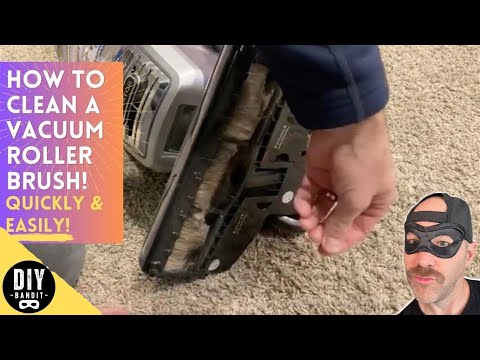
2.1 Prepare Safely: Power Off, Gather Tools, and Set Up Your Workspace
Always turn the robot vacuum completely off and remove it from the charging dock. This isn’t just a suggestion—manufacturers consistently emphasize this step to prevent accidental startup while your hands are near moving parts.
Next, set yourself up properly. A pair of gloves helps (especially if you’re dealing with dust, allergens, or… mystery debris). Then gather a few simple tools:
- Small scissors (preferably blunt-tip)
- Seam ripper or safety cutter
- Tweezers or needle-nose pliers
- Cleaning brush or old toothbrush
Why all this? Because hair doesn’t just sit neatly on the surface—it wraps, tightens, and hides in places your fingers can’t reach. Having the right tools turns a 20-minute struggle into a quick, controlled cleanup. Skip this prep, and you’ll feel it immediately.
2.2 Disassemble and Access the Roller Brush Without Damage
Now flip the robot over—gently. Use a soft surface like a towel so you don’t scratch sensors or the housing.
Most robot vacuums make this part easy: either press tabs to open the brush guard or remove a couple of screws, depending on the model. Once the cover is off, the roller brush is right there.
Before pulling it out, take a quick look. Notice how it’s seated. Where are the end caps? Which side connects to the drive mechanism?
When ready, lift the roller out carefully, usually starting from one side. No force needed. If it resists, check for clips or alignment points—don’t yank it.
2.3 Cut, Lift, and Remove Hair from the Roller Surface
Here’s where things get real. That thick layer of wrapped hair? Don’t try to pull it off first. That’s the mistake most people make—and it’s exactly how bristles get bent or rubber fins get damaged.
Instead, cut first.
Use a seam ripper, built-in cleaning tool, or scissors, and run it along the grooves of the roller, not across it. Many rollers are designed with channels specifically for this purpose. A built-in blade-style cleaning tool that slices along these grooves makes this step surprisingly fast.
A helpful trick from cleaning demos: make two passes—one along the front, then rotate the roller and cut again on the opposite side. This breaks the tension in the hair wrap and makes removal effortless.
Once cut, gently lift and peel the hair away. Now it should come off in satisfying chunks instead of stubborn knots. Finish by brushing out fine dust and debris trapped between bristles or rubber fins. This is what restores that “like new” contact with your floors.
2.4 Don’t Miss the Ends: Cleaning End Caps and Bearings
Here’s the part most people skip—and the reason their brush still doesn’t spin properly afterward.
Even if the roller looks clean, hair often packs tightly around the end caps and bearings, forming what many guides describe as a dense “hair washer” around the axle. This hidden buildup creates friction and can completely block rotation.
Pop off the end caps if your model allows it. What you’ll often find is… not pretty.
Use tweezers or pliers to pull out compacted hair from inside these areas. It’s usually tighter, denser, and more stubborn than anything on the main roller. If your end caps aren’t removable, you can still work into the gaps using a hook tool or needle—slowly pulling hair out piece by piece.
This step alone can be the difference between a brush that looks clean and one that actually spins freely.
2.5 Reassemble, Test Rotation, and Restore Suction Performance
Now put everything back together—but don’t rush it.
Reattach the end caps securely, then place the roller back into its housing, making sure each side aligns correctly. One end is often shaped to fit only one way, so if it doesn’t drop in easily, double-check orientation. Snap or screw the brush cover back into place firmly.
Before powering on, spin the roller by hand. It should rotate smoothly, quietly, with zero resistance. If it feels stiff or uneven, something’s still stuck—most likely near the ends.
Once it passes that test, power the robot back on and run a short cleaning cycle.
3. Why Hair Tangles Happen (and Why They Hurt Performance)

3.1 How Roller Brushes Interact with Hair, Carpet, and Debris
At first glance, it seems like hair should just get sucked into the vacuum. So why does it wrap instead?
The answer comes down to how roller brushes actually work. They don’t just “pick up” dirt—they actively agitate surfaces. As the brush spins, it combs through carpet fibers and pulls debris upward into the suction path. That’s great for dust. Not so great for long hair.
Hair is flexible, lightweight, and incredibly good at wrapping. Instead of being lifted cleanly, it catches on bristles or rubber fins and starts spiraling around the roller. On carpets, this effect gets worse—fibers hold the hair in place just long enough for the spinning brush to grab and twist it tighter.
Over time, a few strands turn into a tight coil. Then a dense wrap. Then a full-on clog. It’s not a defect. It’s physics.
3.2 The Hidden Impact: Reduced Suction, Motor Strain, and Odors
Here’s where things go from annoying to costly. When hair wraps around the roller, it doesn’t just sit there—it changes how the entire cleaning system behaves. The brush can’t spin freely, which means less agitation. Less agitation means dirt and debris stay embedded in your floors.
At the same time, airflow gets disrupted. According to manufacturer guidance on roller maintenance, tangled brushes can significantly reduce suction efficiency and even trigger performance issues.
Impact of Clean Roller
- Optimal suction power
- Smooth motor operation
- Better carpet agitation
- Fresh scent
Risks of Hair Buildup
- Motor overheating and strain
- Reduced airflow efficiency
- Musty odors from organic debris
- Incomplete debris pickup
But the bigger problem? Motor strain. A jammed or slowed brush forces the motor to work harder. Over time, that extra resistance can lead to overheating, wear, or even failure.
And then there’s the smell. Hair mixed with dust, moisture, and organic debris becomes the perfect breeding ground for odor. That “musty vacuum smell”? Often comes straight from a neglected roller.
3.3 High-Risk Homes: Pets, Long Hair, and Carpeted Floors
Some homes barely deal with tangles. Others? It’s nonstop. If you have pets—especially heavy shedders like retrievers or shepherds—or anyone with long hair, your roller brush is under constant attack. Long strands wrap faster, tighter, and more frequently.
Add carpets into the mix, and things escalate quickly. Carpet fibers trap hair, giving the roller more time to grab and twist it. That’s why the same robot that works fine on hardwood can struggle on rugs in a high-shedding home.
Because once you see the tangle… it’s already been hurting performance for a while.
4. Prevention Strategies: How to Minimize Hair Tangles Before They Start
4.1 Smart Cleaning Habits: Frequency, Quick Checks, and Routine Care
Here’s the uncomfortable truth: most hair tangles aren’t caused by one bad cleaning session—they’re caused by neglect over time.
Hair doesn’t instantly form those tight, stubborn coils. It builds gradually. A few strands today, a little dust tomorrow… and before you know it, you’re cutting through a dense, rope-like wrap that takes 20 minutes to remove.
Industry guidance consistently points to weekly roller inspections as the baseline, especially in homes with pets or long hair. But here’s what that actually looks like in real life: flip the robot over, glance at the roller, and spend 10–30 seconds removing visible strands before they tighten.
That’s it.
If you run your robot more frequently—say, several times a week—you’re also reducing how much hair it has to deal with per session. Smaller loads mean less wrapping force, fewer tangles, and smoother operation overall.
Think of it like brushing your hair daily vs. detangling it after a week. One is effortless. The other… not so much.
Stay ahead of it, and maintenance becomes almost invisible.
4.2 Prep Your Floors: Reduce Hair Before the Robot Runs
Want to dramatically cut down tangles without touching the robot at all? Start with your floors.
Because here’s what actually overwhelms roller brushes: not individual strands—but clumps.
Those little piles of hair in corners, along baseboards, or near pet beds? When the robot hits them, the roller grabs everything at once. That’s when wrapping gets aggressive.
A quick pre-clean makes a huge difference:
- Pick up visible hair clumps (especially in bathrooms or pet zones)
- Remove strings, cords, or loose fabrics that can trap and twist hair
- On carpets, lightly brushing high-shedding areas helps lift hair before the robot arrives
4.3 Maintain Suction: Dustbin, Filters, and Airflow Matter
This one gets overlooked all the time—and it quietly makes everything worse.
When suction drops, hair doesn’t get pulled cleanly into the dustbin. Instead, it lingers near the roller… where it gets caught, dragged, and wrapped.
That’s how tangles start.
The fix is simple:
- Empty the dustbin regularly (every few runs in pet homes)
- Clean or tap out filters on a consistent schedule
- Check airflow if pickup performance starts to drop
According to independent testing and maintenance guidance, keeping airflow unobstructed is critical not just for suction—but for preventing hair from accumulating around the brush in the first place.
Strong airflow = hair goes into the bin.
Weak airflow = hair stays on the roller.
And once it’s on the roller… you already know how that story ends.
5. Anti-Tangle Brush Technologies: Do They Really Reduce Maintenance?

5.1 Rubber Rollers vs Traditional Bristle Brushes
If you’ve ever spent 15 minutes cutting hair out of a bristle brush, you’ve probably wondered: isn’t there a better design?
There is—and it starts with materials.
Traditional bristle rollers are great at grabbing dirt, but they’re also perfect for trapping hair. Each bristle acts like a tiny hook, giving long strands endless places to wrap and tighten.
Rubber rollers flip that experience.
Instead of dense bristles, they use smooth, flexible fins. Fewer snag points. Less grip for hair. The result? Hair tends to wrap more loosely—or not at all—and is dramatically easier to remove.
Here’s how they compare in real-world maintenance:
| Brush Type | Hair Wrapping Behavior | Cleaning Effort | Best For |
|---|---|---|---|
| Traditional bristle roller | Tight, dense tangles around bristles | High (often requires cutting tools) | Deep carpet agitation |
| Rubber / silicone roller | Looser wraps, less frequent tangling | Low to moderate (often peel off by hand) | Pet hair, long hair homes |
Rubber doesn’t eliminate tangles—but it changes the game. Instead of wrestling with compact knots, you’re dealing with quick, easy cleanup.
5.2 Comb Systems, V-Shaped Designs, and Self-Cleaning Features
Now let’s talk about the next level: brushes that actively fight tangles while they clean.
Modern designs don’t just rely on materials—they use geometry and mechanics to control how hair behaves.
You’ll see features like:
- V-shaped or spiral brush patterns that guide hair toward the center instead of letting it wrap at the ends
- Built-in comb teeth that scrape or lift hair off the roller as it spins
- Self-cleaning or anti-tangle systems that continuously break up wraps before they tighten
One widely discussed example is a V-shaped bristle and comb system that actively strips hair from the roller, designed specifically to handle long hair and pet fur without constant manual cleaning.
In practical terms, these systems do something simple—but powerful: they interrupt the wrapping process before it becomes a problem.
5.3 What These Features Actually Change in Daily Maintenance
So… do anti-tangle technologies mean you’ll never clean a roller again?
No. And any product that implies that is overselling it.
Hair still exists. It still wraps—especially in high-shedding homes. But what these technologies change is how often and how painful maintenance becomes.
With anti-tangle design
- Hair buildup is lighter
- Tangles are looser
- Most cleanups take seconds, not minutes
Without anti-tangle design
- You wait too long
- Hair compacts tightly
- You need tools, time, and patience
In other words, you shift from “deep cleaning sessions” to quick check-ins.
That’s the real win.
Instead of dreading the moment you flip your robot over, it becomes a casual, almost forgettable habit. A quick glance. A quick pull. Done.
6. Conclusion: Build a Low-Maintenance Routine for Tangle-Free Cleaning
Hair tangles aren’t going away—but the frustration absolutely can.
Once you understand what’s happening inside that roller brush, everything becomes easier. Cut hair early before it tightens. Check the ends, not just the surface. Keep airflow strong so hair gets pulled in—not wrapped around.
Most importantly, don’t let buildup snowball.
And if you upgrade to anti-tangle brush designs, that routine gets even lighter. Less cutting. Less effort. More time back.
Because at the end of the day, that’s the whole point of a robot vacuum.
Not just clean floors. Freedom from dealing with them.
FAQ
Q: How often should I clean the hair from my robot vacuum roller?
A: For most homes, a weekly inspection is recommended. However, in households with long-haired residents or heavy-shedding pets, checking the brush every two to three runs prevents hair from tightening into dense tangles that can strain the motor.
Q: Why is my robot vacuum brush still not spinning after cleaning?
A: Hair often migrates to the edges and packs tightly around the end caps and bearings. If the main roller looks clean but won't spin, remove the end caps and use tweezers to clear hidden hair washers trapped around the axle.
Q: Can tangled hair actually damage the vacuum motor?
A: Yes. Significant hair buildup creates friction and resistance, forcing the motor to work harder to maintain rotation. Over time, this extra strain can lead to overheating, increased battery drain, and eventual mechanical failure of the brush drive.
Q: What tools are best for removing stubborn hair wraps?
A: A seam ripper or a dedicated cleaning tool with a protected blade is most effective. These allow you to cut along the brush grooves safely, breaking the tension of the hair wrap without damaging the bristles or rubber fins.
Q: Do rubber rollers completely eliminate hair tangles?
A: While rubber rollers don't eliminate tangles entirely, they significantly reduce them. Their smooth surface lacks the snag points of traditional bristles, causing hair to wrap more loosely and making it much faster to peel off during maintenance.