
Ecovacs T20 Omni vs. Dreame L20 Ultra: Hot Water Washing Compared—Does It Really Clean Better?
Aaron Cooper1. Introduction: Hot Water Washing Sounds Impressive—But Does It Matter?
“Hot water mop washing” sounds like one of those features that should instantly make your floors cleaner, fresher, and more hygienic. But here’s the uncomfortable question: does it actually change your day-to-day cleaning results—or is it just premium marketing?
If you’re comparing the Ecovacs T20 Omni and Dreame L20 Ultra, you’re probably trying to figure out exactly that. One heats water to clean its mop pads. The other doesn’t—but still promises top-tier performance.
2. Hot Water vs. Cold Water Mop Washing: What’s Actually Different?
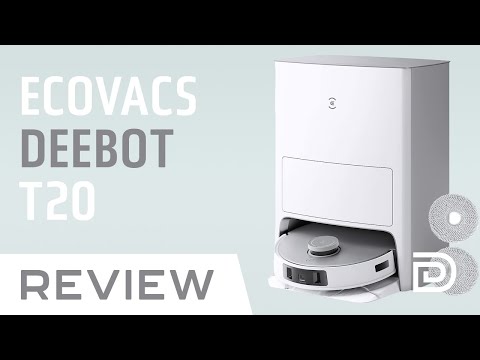
2.1 Ecovacs T20 Omni: 55°C Heated Mop Pad Washing Explained
Let’s start with the headline feature: the Ecovacs Deebot T20 Omni doesn’t just rinse its mop pads—it actively heats the water to around 55°C inside the base station. That’s roughly the temperature of a hot washing machine cycle, not steam-level heat, but definitely warmer than anything coming straight from your tap.
Here’s how it works in practice. After a cleaning run (or even mid-clean if you configure it), the robot returns to its dock. The station pulls clean water from its tank, heats it, and then scrubs the spinning mop pads while flushing away dirt into a separate dirty water tank. It’s essentially a mini laundry cycle for your mop—on repeat.
Ecovacs positions this as a way to break down grease and sticky residue more effectively. And that checks out: warm water is simply better at loosening oils than cold water. If your kitchen floor regularly deals with cooking splatter or paw prints with a bit of grime mixed in, this system keeps the pads from turning into that dreaded “smelly sponge” over time.
2.2 Dreame L20 Ultra: Cold Water Washing + Hot Air Drying System
Now here’s where things get interesting. The Dreame L20 Ultra skips the water heating entirely—but compensates in other ways that are easy to overlook.
Instead of relying on temperature, it leans heavily on mechanical scrubbing, detergent integration, and drying. When the robot docks, the mop pads are rinsed with room-temperature water while spinning against a washboard surface to physically dislodge dirt. If you’ve ever scrubbed a stain out by hand, you’ll recognize the logic: friction matters.
Then comes the real hygiene hero—hot air drying. After washing, the L20 Ultra blows warm air over the pads to dry them out, which is critical for preventing that musty smell that builds up when fabric stays damp.
It also supports automatic detergent dosing in many setups, meaning every wash cycle isn’t just water—it’s chemically assisted cleaning. And in many real-world scenarios, detergent plus agitation can rival or even outperform plain hot water when dealing with everyday dirt.
So while it sounds like a downgrade on paper (“no hot water”), the system is actually more balanced than it seems. It’s less about temperature—and more about process.
2.3 Common Misconception: Neither Robot Actually Mops Floors with Hot Water
Even though the Ecovacs T20 Omni advertises hot water washing, it does not mop your floors with hot water. The heated water is only used inside the dock to clean the mop pads. Once the robot goes back out to your floors, it uses regular room-temperature water for mopping—just like the Dreame.
In fact, independent testing consistently highlights this as a common misunderstanding: hot water is strictly for pad maintenance, not floor cleaning itself.
Why does this matter? Because it reframes expectations.
- If you were hoping hot water would melt away sticky spills directly on your tile floors—this isn’t that.
- What it does improve is how clean the mop pads stay over time.
- Cleaner pads mean less spreading of grime, fewer odors, and slightly more consistent results across multiple cleaning runs.
But the actual floor-cleaning performance? That still depends far more on things like pad pressure, coverage, navigation, and how often the robot washes its mops mid-cycle.
3. Does Hot Water Washing Improve Cleaning, Hygiene, or Odor Control?
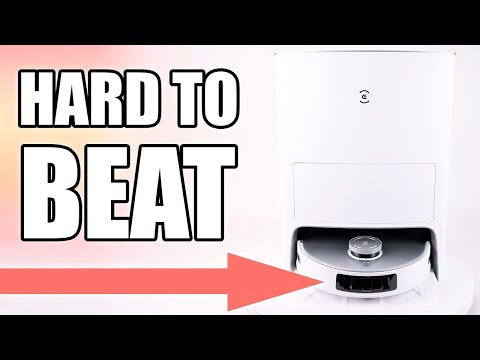
3.1 Stain Removal & Grease: Where Hot Water Helps (and Where It Doesn’t)
Let’s be real: if your floors deal with oily kitchen residue, dried sauce splashes, or that invisible “film” that builds up near the stove, hot water does have a measurable advantage.
At around 55°C, the Ecovacs T20 Omni is simply better at loosening grease from the mop pads themselves. Think about washing a greasy pan—cold water smears it, warm water breaks it down. Same principle here. Over time, this means the pads stay cleaner and less saturated with oily residue.
But here’s the twist: that doesn’t automatically translate into better floor cleaning.
According to comparative performance testing across similar models, hot water washing doesn’t significantly improve core cleaning results like debris pickup or overall floor appearance. Both hot-water and cold-water systems perform similarly where it matters most—removing dust, dirt, and common household mess.
Pros of Hot Water (55°C)
- Better at loosening grease from mop pads
- Reduces oily saturation of the fabric over time
- Feels more effective for kitchen-heavy cleaning
Cons / Limitations
- Does not actually mop the floor with hot water
- No significant difference in dust or crumb pickup
- Doesn't replace the need for occasional deep cleaning
3.2 Hygiene Reality Check: Hot ≠ Sterilization
This is where marketing and reality quietly part ways.
55°C sounds hot—and it is—but it’s not hot enough to truly disinfect. Most cleaning standards place meaningful bacterial reduction at temperatures above 60°C, and even then, exposure time matters.
In these robot docks, the wash cycle is relatively short. So while the T20 Omni’s hot water can reduce grime and make the pads feel fresher, it doesn’t turn them into sterile, germ-free surfaces.
What actually matters more?
- Detergent (breaking down organic material)
- Friction (scrubbing action)
- Drying (removing moisture where bacteria thrive)
This is exactly why the Dreame L20 Ultra’s approach—mechanical scrubbing plus hot air drying—can keep things just as hygienic in everyday use.
So if you’re buying for “sanitization,” it’s worth resetting expectations. These systems clean well. They don’t sterilize.
3.3 Odor & Maintenance: Why Drying May Matter More Than Water Temperature
If you’ve ever opened a robot vacuum dock and caught that damp, sour smell… you already know the real enemy isn’t dirt—it’s moisture.
This is where both the Ecovacs T20 Omni and Dreame L20 Ultra quietly converge: hot air drying.
After washing, both systems dry the mop pads with warm air. And this step is arguably more important than whether the wash water was hot or cold. Why? Because bacteria and mildew thrive in damp environments—not dry ones.
| Maintenance Feature | Ecovacs T20 Omni | Dreame L20 Ultra |
|---|---|---|
| Wash Temperature | 55°C Hot Water | Room Temperature |
| Drying Method | Hot Air Drying | Hot Air Drying |
| Odor Prevention | High (Wash + Dry) | High (Scrub + Dry) |
In practice:
- A perfectly washed but wet mop will smell
- A reasonably clean but fully dried mop usually won’t
The L20 Ultra leans heavily into this, using drying as its primary defense against odor. The T20 Omni combines both—hot water washing plus drying—for a more “belt and suspenders” approach.
But here’s the takeaway most people miss: if you had to choose one, drying wins.
So if your biggest frustration is that lingering “wet cloth” smell after a few days, don’t fixate only on hot water. Look at the entire system—especially how well it dries and how often it refreshes the pads.
Because in real life, that’s what keeps your home smelling clean—not just looking it.
4. Beyond Hot Water: Core Feature Comparison That Actually Affects Daily Cleaning

4.1 Suction Power and Vacuum Performance (7000Pa vs 6000Pa)
Let’s shift gears from mop washing to something you’ll notice every single day: how clean your floors actually feel under your feet.
On paper, the Dreame L20 Ultra leads with 7,000Pa suction, while the Ecovacs T20 Omni comes in at 6,000Pa. That sounds like a clear win—but real life is rarely that simple.
Yes, higher suction helps pull debris from carpets and cracks. And in edge cases—like pet hair buried in rugs—the extra power can make a difference. That’s part of why reviews consistently highlight the L20 Ultra’s strong pickup performance across both hard floors and carpets.
So what does that mean for you?
If your home has lots of carpets or shedding pets, the L20 Ultra’s extra headroom is nice to have. But if you’re mostly dealing with hard floors, you won’t feel a night-and-day difference. Either way, you’re not choosing between “clean” and “not clean.” You’re choosing between “very good” and “slightly more aggressive.”
4.2 Mopping Systems: Spinning Pads, Pressure, and Real Results
This is where both robots quietly shine—and where expectations need a bit of grounding.
Both the Ecovacs T20 Omni and Dreame L20 Ultra use dual spinning mop pads. Think of them like two small, fast-rotating scrubbers pressing against your floor. It’s a huge upgrade over older drag-style mops that just smear dirt around.
In practical terms? They can handle dried coffee spills, light mud, and everyday messes surprisingly well. That satisfying “freshly wiped” look after a cleaning cycle? Both deliver it.
Where the difference shows up isn’t raw scrubbing power—it’s consistency:
- How often the robot goes back to wash its pads
- How evenly it covers your space
- How well it avoids dragging dirty pads across clean areas
And this loops back to our earlier point: hot water helps keep the T20’s pads cleaner over time, while Dreame leans on detergent and drying. But on the floor itself? The actual mopping performance is far more similar than different.
4.3 Obstacle Avoidance and Smart Navigation in Real Homes
Now let’s talk about the thing that either makes you love your robot… or want to return it within a week. Navigation.
Both of these robots use LiDAR (laser-based mapping—basically a spinning sensor that scans your home like a tiny radar system) combined with AI-powered obstacle detection. In plain English: they build a map, remember your rooms, and try not to eat your charging cables.
The Dreame L20 Ultra uses AI with 3D structured light to recognize objects—things like shoes, cables, or furniture legs—and avoid them more intelligently. The T20 Omni also uses advanced sensors and structured light for obstacle avoidance, and performs reliably in typical scenarios like navigating around furniture and walls.
So where’s the difference?
- The L20 Ultra tends to be slightly more aggressive and detailed in object recognition
- The T20 Omni focuses on consistent, efficient coverage with fewer surprises
In real life, that translates to fewer interruptions. Fewer “robot stuck” notifications. Less babysitting. Because let’s be honest—automation only feels magical when it actually runs unattended.
5. Advanced Trade-offs: MopExtend, Mop Removal, and Automation vs Hot Water
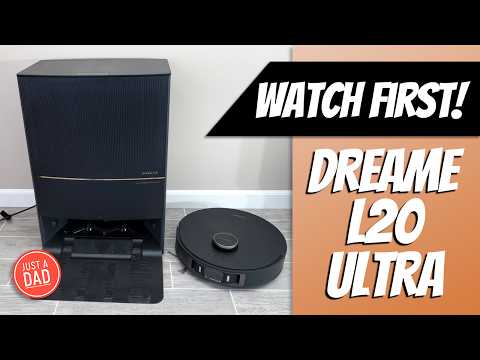
5.1 Carpet Handling: Mop Lifting vs Automatic Mop Removal
The Ecovacs T20 Omni handles mixed flooring with mop lifting. When it detects carpet, it raises the mop pads slightly to avoid contact. For low-pile rugs, this works well enough most of the time.
The Dreame L20 Ultra takes a different approach: it can automatically leave its mop pads at the dock before cleaning carpets.
That means when it hits carpet, it’s a pure vacuum. No moisture. No compromise. In real life, this is one of those features that sounds small—but feels huge.
- No manual pad removal
- No worrying about damp rugs
- One seamless cleaning run
If your home mixes hardwood, tiles, and carpets? This alone can outweigh the entire “hot water” discussion.
5.2 Edge Cleaning: Standard Coverage vs MopExtend Precision
The T20 Omni behaves like most round robots—it gets close, but leaves a small margin near walls and corners. The Dreame L20 Ultra does something smarter.
With MopExtend, one of its mop pads physically swings outward when it detects edges. It reaches beyond the robot’s body, getting closer to baseboards and furniture legs.
Reviews consistently show it can clean within just a few millimeters of edges, noticeably reducing that “dirty border” effect. If you hate wiping edges manually after your robot finishes—this feature will matter more than hot water ever will.
5.3 Dock Automation: Detergent Dosing, Self-Cleaning, and Convenience
Both docks are highly automated:
- Auto-empty dustbins
- Wash mop pads
- Refill water tanks
- Dry mop pads
But the Dreame L20 Ultra adds a few layers of convenience:
- Automatic detergent dosing (no guessing, no manual mixing)
- Mop removal and reattachment
- More flexible cleaning workflows
The T20 Omni, on the other hand, focuses on simplicity and effectiveness—especially with its 55°C hot water washing system keeping pads cleaner without relying heavily on detergent.
T20 Omni Strengths
- Hot water washing for greasy messes
- Straightforward and reliable core cleaning
- Fewer moving parts
L20 Ultra Strengths
- Maximum automation (detergent dosing)
- Superior edge cleaning with MopExtend
- Zero-moisture carpet cleaning (mop removal)
6. Conclusion: Should You Choose Hot Water Washing or Smarter Automation?
Hot water washing sounds like the star feature—and yes, the Ecovacs T20 Omni genuinely keeps mop pads cleaner, especially in greasy environments. If your floors deal with cooking residue or you hate dealing with smelly mop cloths, it delivers real value.
But what actually transforms how these robots feel to live with? Carpet handling, edge cleaning, and automation. The Dreame L20 Ultra stands out by removing friction from your routine—auto mop removal, better edge reach, and smarter workflows. Less babysitting. More trust.
Q: Which one is better for homes with many carpets?
A: The Dreame L20 Ultra is superior due to its ability to physically leave mop pads at the dock, ensuring carpets stay 100% dry.
Q: Is hot water really necessary?
A: It's highly beneficial for oily kitchen floors, but for general dust and pet hair, the L20 Ultra's detergent dosing and drying are equally effective.
FAQ
Q: Does the Ecovacs T20 Omni mop floors with hot water?
A: No. While the T20 Omni uses 55°C hot water to wash its mop pads inside the dock, it uses room-temperature water once it begins mopping your floors. The heat is strictly for pad maintenance and grease removal within the base station.
Q: How does the Dreame L20 Ultra prevent mop odors without hot water?
A: The Dreame L20 Ultra utilizes a combination of mechanical scrubbing, automatic detergent dosing, and a hot air drying system. By thoroughly removing moisture after the wash cycle, it prevents the growth of bacteria and mildew that cause damp smells.
Q: Which robot is better for homes with thick carpets?
A: The Dreame L20 Ultra is generally better for thick carpets because it can automatically leave its mop pads at the base station. This ensures carpets stay completely dry, whereas the T20 Omni’s mop-lifting feature may still touch high-pile fibers.
Q: Is 55°C hot water enough to sterilize mop pads?
A: Based on technical standards, 55°C is excellent for dissolving oils and grease but is not hot enough for full sterilization. True disinfection typically requires higher temperatures and longer exposure times than a standard robot dock wash cycle provides.
Q: What is the benefit of Dreame's MopExtend technology?
A: MopExtend allows the Dreame L20 Ultra to swing its mop pad outward to reach edges and baseboards. This reduces the uncleaned margin that most round robot vacuums leave behind, providing better coverage in corners and along walls.