
Narwal Freo X Ultra Review: DirtSense Technology Analyzed – Does AI Cleaning Actually Work?
Aaron Cooper1. Introduction
Mopping floors is one of those chores that never really feels “done.” You wipe once, step away, and somehow the floor still feels… slightly sticky. That’s exactly the problem the Narwal Freo X Ultra is trying to solve. Instead of blindly running the same routine, it introduces DirtSense™, an AI-driven system that decides when your floor is actually clean.
But here’s the real question: does this “smart cleaning” genuinely improve results, or is it just clever marketing? Let’s break down how it works—and whether it actually delivers cleaner floors in real homes.
2. What Is DirtSense Technology (And How It Actually Works)
2.1 The Two-Part System: On-Robot Detection + Dock Water Analysis
At first glance, “AI dirt detection” sounds like the robot can magically see every speck of dirt. The reality is more interesting—and more practical.
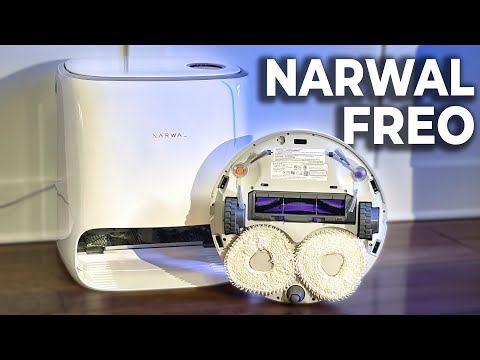
DirtSense on the Narwal Freo X Ultra works as a two-part system:
- On the robot itself: it uses AI and optical sensing to recognize visible debris like crumbs, hair, or spills as it moves. When it detects messier zones, it can slow down, overlap paths, or give those areas extra attention.
- Inside the dock: this is where the real magic happens. After mopping, the robot returns to its base, where sensors analyze how dirty the wash water is. If the water is still murky, the system assumes the floor wasn’t fully cleaned—and sends the robot back out.
This combination—real-time detection plus post-clean analysis—is what separates the Freo X Ultra from typical robot mops that simply follow a timer.
2.2 Closed-Loop Cleaning: Why DirtSense Doesn’t Rely on Fixed Passes
Most robot mops clean like this: map → mop once (maybe twice) → done. Sounds efficient. Until you realize your kitchen floor needed three passes… and your bedroom only needed one.
DirtSense flips that logic completely. Instead of guessing, the Freo X Ultra creates a closed-loop cleaning cycle:
- Clean a section
- Return to the dock
- Wash the mop pads
- Analyze the dirty water
- Decide whether to go back out
Then repeat—until the system is satisfied the floor is actually clean. It’s less like a robot following instructions, and more like someone checking their work after every wipe.
Independent testing consistently highlights this behavior. The robot doesn’t just “finish the map”—it keeps going until the results improve, with dirty water analysis triggering additional mop cycles when needed.
2.3 What DirtSense Is NOT (Common Misconceptions About ‘AI Cleaning’)
Let’s clear this up, because this is where expectations can go off the rails. DirtSense is smart—but it’s not magic. It does not:
- Create a detailed visual “dirt map” of your home
- Detect microscopic grime in real time like a sci-fi sensor
- Guarantee perfect stain removal in one pass
In fact, much of its decision-making happens after cleaning, based on the condition of the mop water—not just what it “sees” on the floor. That means it’s excellent at improving consistency, but it’s still limited by physical factors like mop pressure and pad design. This is exactly why some lab-style testing still rates its performance as only “mediocre” on tough dried stains—because no amount of AI can fully replace scrubbing force.
So if you’re expecting it to erase dried spaghetti sauce in one go… you’ll be disappointed. But if you want a robot that knows when it didn’t clean well enough and tries again? That’s exactly what DirtSense delivers.
3. Does DirtSense Actually Improve Cleaning Results?
3.1 Real-World Behavior: Re-Mopping, Extra Passes, and Adaptive Cleaning
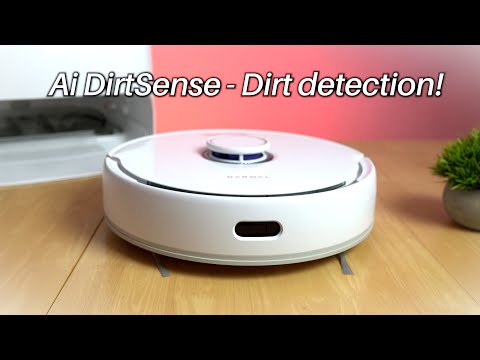
Here’s what actually happens when you let the Narwal Freo X Ultra loose on your floors. It doesn’t just glide around once and call it a day. Instead, you’ll notice a pattern:
- It cleans a section
- Heads back to the dock
- Washes its mop pads
- Then… goes back out again
At first, it feels almost excessive. Why is it taking so long? But that’s DirtSense in action. Across multiple independent reviews and user feedback, one behavior shows up consistently: frequent dock returns and automatic re-mopping of dirtier zones. Kitchens, entryways, and high-traffic areas often get multiple passes—without you lifting a finger.
And yes, cycles can be longer. Some users even mention runs taking noticeably more time than expected. But that extra time isn’t wasted—it’s the robot actively correcting itself instead of blindly finishing a schedule.
3.2 Daily Dirt vs Stubborn Stains: Where It Helps (and Where It Doesn’t)
Let’s talk about the reality most people care about: does it actually make your floors cleaner?
Where It Shines (Daily Dirt)
- Dust and fine debris
- Footprints near entrances
- Kitchen splashes or light spills
- Pet paw marks
Where It Struggles (Stubborn Stains)
- Stubborn, dried-on stains
- Deep scrubbing requirements
- Hardened food spills
Because the robot keeps washing its pads and re-mopping when needed, it avoids one of the biggest problems with robot mops: dragging a dirty pad across the entire house. You can literally feel the difference under bare feet. No grit. No sticky patches.
3.3 Noticeable Difference vs Standard Robot Mops
This is where DirtSense really earns its keep.
| Feature | Traditional Robot Mops | Narwal Freo X Ultra (DirtSense) |
|---|---|---|
| Cleaning Passes | Fixed (usually 1–2) | Adaptive (based on dirt levels) |
| Mop Washing | Rarely wash mid-clean | Frequent, sensor-triggered washing |
| Logic | Finishes the schedule blindly | Checks water quality and re-cleans if needed |
The result? That frustrating “looks clean… but isn’t” finish is avoided. The Freo X Ultra takes a completely different approach: It washes pads frequently, it checks if they’re still dirty, and it goes back and re-cleans if needed.
Is it revolutionary? Not quite. Is it meaningfully better than standard robots? Absolutely. If you’ve ever walked across your floor after a robot “finished” and thought, “why does this still feel dirty?”—this is exactly the problem DirtSense is designed to fix.
Check Price on Amazon4. Full Performance Review: Beyond DirtSense
4.1 Mopping Power: High Pressure, Spinning Pads, and Auto Maintenance
Let’s be honest—no amount of “AI” matters if the robot can’t physically clean well. This is where the Narwal Freo X Ultra quietly does most of the heavy lifting.
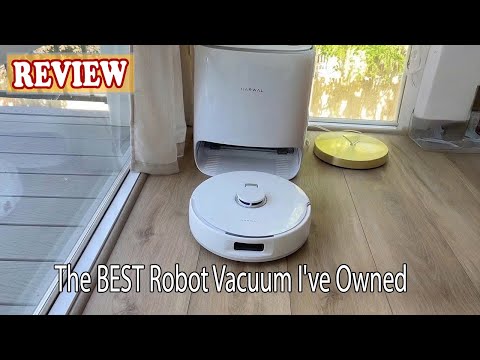
Under the hood, you’re getting 12N of downward pressure and spinning mop pads at around 180 RPM. On paper, that sounds technical. In real life? It feels like the difference between lightly wiping your floor… and actually scrubbing it.
Imagine stepping into your kitchen barefoot after dinner. No sticky residue. No faint film. Just clean.
Independent testing consistently ranks its mopping among the best, with strong stain removal scores and a design that minimizes missed spots. In fact, one set of standardized tests showed a higher-than-average mopping score in controlled stain evaluations, reinforcing what many reviewers noticed: this thing is built to mop first, vacuum second.
- Washes the mop pads
- Dries them with hot air
- Refills water and solution
That means no more dealing with sour-smelling pads or touching dirty water. It’s the closest thing to a “dishwasher for your floors.”
4.2 Vacuuming Performance: Strong on Hard Floors, Weaker on Carpet
Now for the other half of the job: vacuuming.
With 8,200 Pa of suction, the Freo X Ultra has no trouble handling everyday debris on hard floors. Crumbs, dust, pet hair—it picks them up efficiently, especially when paired with its floating brush design that helps guide debris into the suction path.
On tile or hardwood, it feels reliable. You can run it daily and trust that the surface stays consistently clean.
But here’s the catch: carpets.
Multiple independent evaluations point out the same issue—while suction is strong, the robot lacks the kind of deep agitation needed to pull embedded debris from thicker carpets. In standardized testing, it’s been noted to struggle with pet hair removal on more challenging surfaces.
So what does that mean in real life?
- Low-pile rugs → perfectly fine
- Medium carpets → acceptable
- Thick carpets + pet hair → not its strength
This isn’t a dealbreaker—but it does define who this robot is for. If your home is mostly hard floors, you’ll love it. If you’re expecting deep carpet extraction, you may feel underwhelmed.
4.3 Navigation, Obstacle Avoidance, and App Experience
Navigation is where things get a bit more… human.
The Freo X Ultra uses LiDAR (laser-based mapping—think of it as the robot “scanning” your home in 3D like a bat using echolocation) to build a map and plan its path. In open spaces, it’s methodical and thorough.
But compared to top competitors, there are a few quirks:
- Cleaning speed is slower than average
- It may struggle with complex layouts
- Small obstacles (like cables or toys) aren’t always avoided perfectly
In structured testing, obstacle avoidance scores have landed below top-tier rivals, with occasional bumps or misjudgments.
Then there’s the app.
It’s functional—you can:
- Map rooms
- Set cleaning schedules
- Adjust modes
But it’s not the most refined experience. Room segmentation can feel clunky, especially in open floor plans, and sometimes the robot doesn’t interpret zones exactly how you expect.
None of this makes it unusable. But if you’re coming from a highly polished ecosystem (like Roborock or Dreame), you’ll notice the difference.
4.4 Battery Life, Noise, and Maintenance Trade-offs
Here’s where the Freo X Ultra quietly redeems itself.
Battery performance is excellent. In real-world testing, it can cover around 1,438 ft² per charge, placing it among the more efficient robots in its class. That’s enough for most homes in a single run—even with extra passes triggered by DirtSense.
Noise is also surprisingly manageable:
- Around 59 dB in quiet mode (barely noticeable in the background)
- Around 65 dB during active cleaning (similar to a normal conversation)
So yes, it’s present—but not intrusive.
Now let’s talk trade-offs. Because there are a few big ones:
- No auto-empty dustbin → you’ll need to empty it manually
- Longer cleaning times → thanks to frequent mop washing
- More water tank maintenance → especially with heavy use
This is where the personality of the Freo X Ultra becomes clear.
It’s not designed to be the fastest. It’s designed to be the most thorough.
If your priority is “clean once and forget about it,” you’ll appreciate that. If you want quick, low-maintenance runs, these trade-offs might feel like friction.
5. How It Compares to Other Flagship Robot Vacuums
5.1 DirtSense vs Competitors’ ‘AI’: Different Philosophies
Not all “AI cleaning” is created equal—and this is where things get interesting.
Most flagship robots use AI for:
- Navigation (avoiding obstacles, optimizing paths)
- Object recognition (cords, shoes, pet waste)
- Room-based customization
The Narwal Freo X Ultra takes a completely different approach.
Instead of focusing on where to clean, it focuses on how well the cleaning actually worked.
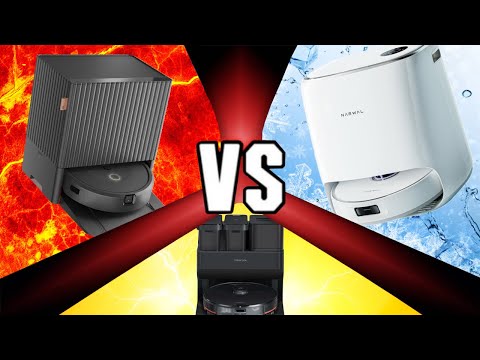
Here’s a simplified comparison:
| Brand | AI Focus | What It Optimizes | Key Strength |
|---|---|---|---|
| Narwal Freo X Ultra | DirtSense (water analysis) | Cleaning quality (mopping) | Adaptive re-mopping |
| Roborock / Dreame | Navigation AI | Pathing & efficiency | Faster, smarter coverage |
| Roomba | Dirt detection sensors | High-dirt zones (vacuuming) | Targeted debris pickup |
Narwal’s approach is unique—but also narrower.
It doesn’t “see” dirt like a camera-based system. Instead, it asks: Was the result clean enough? If not, it tries again.
That’s why DirtSense feels less flashy—but more practical in certain homes.
5.2 Best Fit Scenarios: Hard Floors, Kitchens, and High-Traffic Homes
So who actually benefits from this?
Picture this:
- A busy kitchen where spills happen daily
- Kids running in with dirty shoes
- Pets leaving paw prints across tile floors
This is where the Freo X Ultra shines.
Because DirtSense constantly checks and re-cleans, it naturally spends more time where it’s needed most—without you setting zones or increasing passes manually.
It’s especially effective in:
- Hard-floor homes (wood, tile, vinyl)
- Kitchens and dining areas
- Entryways and mudrooms
- Homes with unpredictable mess levels
And here’s the real win: you don’t have to think about it.
If your current routine involves running your robot twice “just to be sure,” this feels like a major upgrade.
5.3 When Competitors Make More Sense
Now let’s flip it.
There are plenty of scenarios where the Freo X Ultra is not the best choice—and ignoring that would be misleading.
You may want to look elsewhere if:
- Your home is carpet-heavy
- You deal with lots of pet hair embedded in rugs
- You want advanced obstacle avoidance (cords, toys, clutter)
- You expect fully hands-off maintenance (auto-empty dustbin)
Competitors like Roborock, Dreame, or Roomba often:
- Navigate more precisely
- Avoid obstacles more reliably
- Offer better carpet performance
- Include auto-empty stations
In those cases, their version of “AI” (navigation + automation) actually impacts daily convenience more than DirtSense does.
Choose Narwal If
- Want cleaner mopped floors with less guesswork? → Narwal wins
Choose Competitors If
- Want better all-around automation and carpet performance? → competitors take the lead
6. Conclusion: Is DirtSense a Real Innovation or Just Smart Marketing?
DirtSense isn’t hype—but it’s also not magic.
It’s a genuinely useful system that improves one specific thing: consistency in mopping. By checking dirty water and triggering extra cleaning, the Narwal Freo X Ultra avoids one of the biggest frustrations in robot cleaning—finishing the job without actually finishing the job.
In real homes, that translates to floors that feel cleaner after a single run. No second pass. No “did it really clean that?” doubt.
But it’s not a revolution. It doesn’t overcome hardware limits, and it doesn’t replace strong carpet cleaning or top-tier navigation.
Final Verdict: Buy It If...
- If your home is mostly hard floors and you care about spotless results → it’s a smart buy
Final Verdict: Skip It If...
- If you want the best all-around robot for carpets, obstacles, and automation → look elsewhere
DirtSense isn’t the future of all robot cleaning. But for mopping? It’s a meaningful step forward.
FAQ
Q: How does Narwal DirtSense technology work?
A: DirtSense uses a two-part system involving optical sensors on the robot and water sensors in the dock. It analyzes the murkiness of the used mop water to determine if a floor area requires additional cleaning passes, ensuring a more thorough finish without manual intervention.
Q: Does the Narwal Freo X Ultra have an auto-empty dustbin?
A: No, this specific model does not feature an automatic dustbin emptying system in the dock. While it automates mop washing and drying, users must manually empty the robot's internal dustbin or utilize its disposable dust bag system periodically.
Q: Is the Narwal Freo X Ultra good for pet hair on carpets?
A: While it features high suction power, data-driven analysis indicates it lacks the mechanical agitation necessary for deep carpet cleaning. It performs excellently on hard floors, but owners with thick carpets and heavy-shedding pets may find its carpet performance average.
Q: Can the Narwal Freo X Ultra avoid small obstacles like cables?
A: The robot uses LiDAR for primary navigation and mapping. However, aggregated user feedback suggest its obstacle avoidance for very small items like thin cables or small toys is less precise than competitors using dedicated 3D structured light or RGB cameras.
Q: How long does a typical cleaning cycle take with DirtSense enabled?
A: Cleaning cycles are generally longer than standard robots because the system prioritizes thoroughness. If DirtSense detects heavy soil, the robot will return to the dock to wash its pads and re-mop the area, which adds time to the overall session.