
Preventing Odors in Robot Vacuum Mopping Pads and Docks: Proven Tips to Keep Your System Fresh and Mold-Free
Aaron Cooper1. Introduction
That sour, musty smell coming from your robot vacuum dock? Yeah… it completely ruins the “clean home” vibe.
The frustrating part is that nothing is actually “broken.” In most cases, that odor is simply the result of moisture, dirt, and time working together in places you don’t see—mop pads, dirty water tanks, and the dock itself. Leave that mix sitting for too long, and bacteria and mildew take over fast.
The good news? This isn’t inevitable. Once you understand where the smell really comes from, you can stop it before it starts—or eliminate it entirely with a few smart habits (and the right tech).
2. Why Robot Mop Pads and Docks Start to Smell
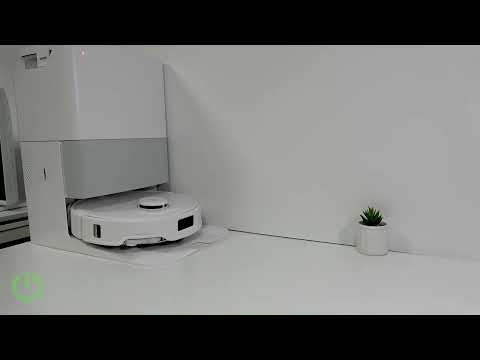
2.1 The Moisture + Dirt + Time Formula Behind Odors
Let’s break it down simply: odors don’t come from your robot—they come from what it collects and how long it stays wet.
Every mopping run leaves behind a thin layer of organic debris inside the pad: dust, food residue, skin cells, pet dander. On its own, that’s harmless. But add moisture and time? That’s when things go downhill. Fast.
That’s why manufacturers design drying cycles that run for hours—because blowing air over mop pads for several hours isn’t overkill, it’s necessary to fully remove moisture.
No drying = no chance. No airflow = guaranteed odor. It’s not about cleaning more—it’s about not letting dirty moisture sit.
2.2 Common Odor Sources: Pads, Tanks, Filters, and Brushes
If your system smells, it’s usually not just one thing—it’s a combination of hidden hotspots.
- Mop Pad: The #1 culprit constantly soaking up dirty water and organic debris.
- Dirty Water Tank: Murky water filled with organic waste that turns sour or "swampy" overnight.
- Filters and Dustbins: Trap fine dust and hair; odors release every time the vacuum runs.
- Brushes: Trapped hair and oils that slowly decompose.
2.3 Hidden Causes You Might Overlook
Here’s where things get tricky. Even if you’re cleaning regularly, a few less obvious factors can still cause persistent smells.
One big offender? Detergent residue. Using too much cleaning solution can leave a thin film that mixes with dirt to create a “chemical + sour” smell. Another issue is biofilm—a slimy layer inside tanks that traps odor and keeps coming back unless properly scrubbed.
3. Daily Habits That Prevent Odors Before They Start
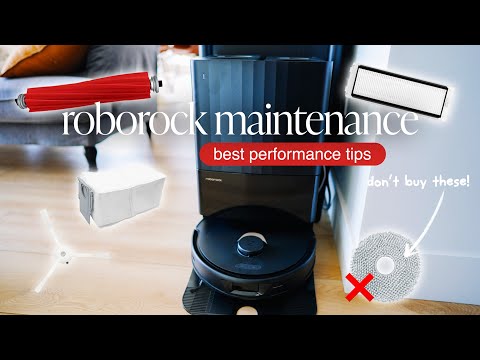
3.1 After Every Mop Run: The 5-Minute Anti-Odor Routine
If there’s one habit that changes everything, it’s what you do right after a cleaning run.
- Remove mop pads immediately: Don't wait; even a few hours can kickstart mustiness.
- Empty the dirty water tank: Rinse it until the water runs clear and the smell is gone.
- Wipe the dock tray: Remove puddles where biofilm starts forming.
- Let it breathe: Ensure the area has proper ventilation.
3.2 Proper Mop Pad Care: Cleaning, Drying, and Rotation
Mop pads are the frontline of your cleaning system—and the most sensitive to odor problems.
Best Practices
- Wash frequently with warm water and mild detergent.
- Use white vinegar to neutralize lingering smells.
- Rotate multiple pads so you always have a fresh, bone-dry one ready.
Avoid These
- Fabric softeners (they leave residue).
- Harsh chemicals that damage fibers.
- Reusing pads that are still "slightly damp."
3.3 Managing Dirty Water Tanks and Dock Hygiene
If mop pads are the most obvious odor source, dirty water tanks are the most underestimated.
For deeper hygiene, occasional cleaning with mild soap helps remove that invisible biofilm layer. The dock's wash tray and drain channels also need a regular wipe-down to stay fresh.
3.4 Don’t Forget the Vacuum Side: Dustbins, Filters, and Brushes
Sometimes the smell isn’t coming from the mop system at all. Your robot’s vacuum components can quietly contribute to the problem, especially in homes with pets.
| Component | Maintenance Action |
|---|---|
| Dustbin | Empty frequently to remove decomposing crumbs and hair. |
| Filters | Rinse regularly and ensure 100% dry before reinstalling. |
| Brush Rolls | Remove tangled hair and trapped oils regularly. |
A robot that cleans your floors shouldn’t be the thing making your home smell worse. Keep these dry, and your home will stay fresh.
4. Weekly Deep Cleaning and Long-Term Odor Control
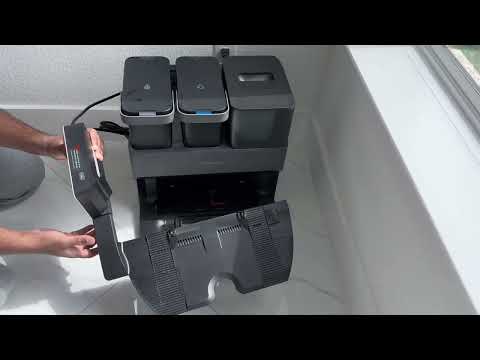
4.1 Deep Cleaning Mop Pads, Tanks, and Dock Components
Daily habits stop odors from starting—but weekly deep cleaning is what keeps them from coming back. Skip this, and you’ll notice that “mystery smell” creeping in even when you’re doing everything else right.
Start with the mop pads. A quick rinse isn’t enough long-term. Run them through a gentle machine wash with mild detergent to break down oils and embedded debris. This is what actually removes the invisible layer bacteria feed on.
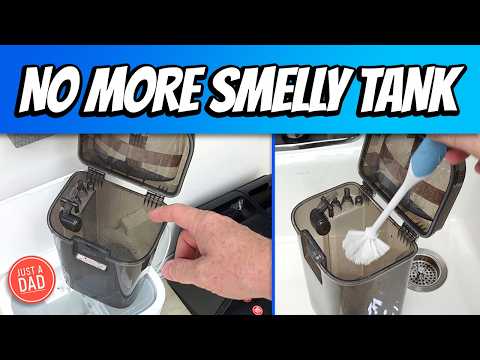
Next, tackle the water tanks. Over time, a thin, slimy biofilm builds up inside—especially in corners and seams. A simple rinse won’t touch it. You need warm water, a bit of mild soap, and ideally a soft brush to scrub those inner walls clean.
Think of it like this: daily cleaning removes the mess you see. Weekly cleaning removes the mess you don’t.
And that’s the difference between “mostly fresh” and completely odor-free.
4.2 Safe Deodorizing Methods (and What to Avoid)
When smells show up, the temptation is to mask them. But here’s the truth: if you’re not removing the source, no deodorizer will fix it.
That said, a few methods actually help—when used correctly.
- White vinegar: One of the most effective options for mop pads. It breaks down oils and has mild disinfecting properties.
- Baking soda: Works well in controlled ways, like placing a small amount in a dustbin or using it as an odor absorber.
Some users experiment with additives in water tanks, like baking soda or even mouthwash. These can reduce “old water” smells temporarily, but they’re not manufacturer-standard solutions and may leave residue or affect internal components. Use with caution.
The rule is simple:
Clean first. Deodorize second. Never the other way around.
4.3 Storage and Environment: The Overlooked Factor
You can do everything right—and still end up with odors—if your environment is working against you.
Humidity is the silent culprit. A dock placed in a damp basement, laundry room, or tight corner will hold moisture longer, slowing drying and accelerating mold growth. Even perfectly cleaned components can start to smell if they never fully dry.
Airflow matters more than people think. A slightly open, ventilated space helps moisture escape from the dock, pads, and internal components. Even something as simple as not pushing the dock flush against a wall can make a difference.
Temperature plays a role too. Warm, humid conditions speed up bacterial growth. Cooler, dry environments slow it down.
And here’s a small but powerful habit: if you’re not using the robot for a few days, empty the tanks and leave them open. Let everything breathe. Trapped moisture over time is what creates that “why does it smell even when I didn’t use it?” moment.
Bottom line? Your robot doesn’t live in isolation. If the space around it is damp and closed, odors will win—no matter how well you clean.
5. Smarter Solutions: How Self-Cleaning Docks Reduce Odors Automatically
5.1 Auto-Washing and Hot-Air Drying: Why They Matter
Let’s be honest—most odor problems don’t come from lack of knowledge. They come from missed routines.
You forget to remove the pad. You leave the tank overnight. You skip drying “just this once.” And that’s all it takes.
This is exactly why self-cleaning docks exist.
Modern systems automatically wash mop pads right after a cleaning run, removing dirt before it has time to sit and break down. Then comes the real game changer: drying. Many docks use forced or heated air to dry pads over several hours, dramatically reducing the window where bacteria can grow.
In fact, some systems are specifically designed to dry mop pads over a multi-hour cycle, because quick drying simply isn’t enough to prevent that “wet towel” smell.
The impact is immediate. No damp pads sitting overnight. No guessing if something is dry enough. No hidden moisture trapped in the dock.
5.2 Advanced Features: Water Management, Antibacterial Modules, and Smart Cleaning
Auto-washing and drying are just the beginning. The real leap forward is how newer systems manage water and hygiene behind the scenes.
| Advanced Feature | Benefit for Odor Control |
|---|---|
| Dual Tank System | Prevents contamination by separating clean and dirty water. |
| Silver-ion Modules | Releases antimicrobial ions to suppress bacterial growth. |
| Self-cleaning Trays | Rinses internal dock components to prevent sludge buildup. |
And finally, smarter cleaning cycles. Instead of one big wash at the end, some systems rinse pads multiple times during a session, reducing how much dirt accumulates in the first place.
Put it all together, and the difference is clear: Less stagnant water. Less residue. Less time for bacteria to grow.
5.3 When Upgrading Makes Sense (and When It Doesn’t)
So… do you actually need a self-cleaning dock? Here’s the honest answer: not always.
If you’re consistent—washing pads after every run, emptying tanks, drying everything thoroughly—you can achieve excellent odor control manually. No fancy tech required.
Manual Routine
- Lower upfront cost
- Total control over cleaning agents
- No extra dock maintenance
Self-Cleaning System
- Higher upfront cost
- Lower daily effort
- More consistent odor-free results
So think of it this way: Manual routine = lower cost, higher effort. Self-cleaning system = higher cost, lower effort, more consistent results.
Both work. But only one works even when you forget.
6. Conclusion
At the end of the day, odor prevention comes down to one simple principle: don’t let dirty moisture sit.
Every bad smell—whether it’s musty mop pads, sour water tanks, or stale filters—comes from the same root cause: trapped dirt plus lingering moisture over time. Remove one of those factors, and the problem disappears.
You can get there with consistent habits. Clean after every run. Dry everything completely. Keep air flowing. It works—and it works well if you stick to it.
Or, you can let technology handle it. Self-cleaning docks automate the two things people skip most: washing and drying. Less effort. More consistency. Fewer smells.
There’s no single “right” approach—just the one that fits your lifestyle. But whichever path you choose, one thing is certain: Clean and dry always beats clean and damp.
FAQ
Q: Why does my robot vacuum mop smell like a wet towel?
A: This odor is typically caused by bacteria and mold growing on damp mop pads. When organic debris like dust and pet dander sit in a moist, poorly ventilated dock, they create a perfect environment for microbial growth, resulting in that distinct musty smell.
Q: How often should I wash my robot's mop pads?
A: For optimal hygiene, you should rinse or replace mop pads after every cleaning run. Even if they appear clean, they harbor bacteria. A deeper machine wash with mild detergent should be performed weekly to break down embedded oils and biofilm.
Q: Can I use bleach to clean the dirty water tank?
A: It is generally not recommended to use bleach as it can damage internal seals and plastic components. Instead, use warm water with mild soap or a small amount of white vinegar to neutralize odors and remove bacterial slime safely.
Q: Is a self-cleaning dock worth it for odor control?
A: Self-cleaning docks are highly effective because they automate the washing and drying process. By using heated or forced air to dry pads immediately after use, they remove the moisture window that bacteria need to grow, ensuring more consistent results.
Q: Can I put essential oils in the water tank to make it smell better?
A: No, you should avoid adding essential oils to the water tank. Oils can clog the internal tubing, pumps, and spray nozzles of your robot vacuum, potentially leading to mechanical failure and leaving a residue that actually attracts more dirt.