
Roborock Q5+ vs. Q7 Max+: Is the Mopping Upgrade Worth It or Just Extra Cost?
Aaron Cooper1. Introduction
At first glance, the Roborock Q5+ and Q7 Max+ look almost identical. Same brand, same auto-empty dock, same smart navigation. But then you notice it—the Q7 Max+ costs more… because it mops.
So here’s the real question: is that upgrade actually saving you time, or just adding another thing to maintain?
This guide cuts through the spec sheet noise and focuses on what daily life actually feels like—vacuuming performance, real-world mopping results, and whether that extra $100–$200 earns its place in your routine.
2. Roborock Q5+ vs Q7 Max+: Core Differences That Actually Matter
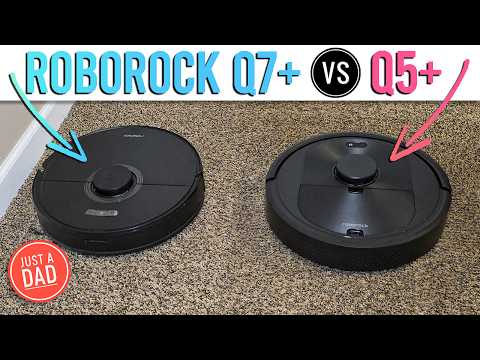
2.1 Vacuuming Performance: Why Higher Suction Doesn’t Change Much
It’s easy to get pulled in by numbers. The Q7 Max+ advertises higher suction (4200 Pa vs 2700 Pa), and on paper, that sounds like a massive upgrade.
Across independent testing and real-world comparisons, both robots perform nearly the same on hard floors and carpets. In fact, independent lab testing shows no meaningful real-world suction advantage despite the higher rating. That means your daily experience—crumbs under the dining table, pet hair on rugs, dust along baseboards—looks almost identical.
So what does that feel like in practice?
- You walk barefoot across your floor. No grit.
- Your rugs look consistently clean, not “just vacuumed.”
- Pet hair? Mostly gone—on both models.
This is where a lot of buyers get it wrong. They chase specs, expecting a leap in performance… and end up paying more for something they can’t actually see.
Bottom line: if you’re buying purely for vacuuming power, the Q5+ already delivers. The Q7 Max+ doesn’t meaningfully outperform it here. Not even close.
2.2 Mopping Capability: The Only Real Upgrade
Now here’s where things actually change.
The Roborock Q7 Max+ adds a built-in water tank, mop pad, and app-controlled water flow, turning it into a vacuum-and-mop combo. The Q5+? Vacuum only. No exceptions.
So what does that mean for your daily routine?
Imagine finishing dinner, crumbs vacuumed up—but there’s still that faint sticky film on the kitchen floor. The Q5+ stops there. The Q7 Max+ keeps going, dragging a damp microfiber pad across the surface, picking up that invisible layer of grime.
The system itself is simple:
- A hybrid dustbin + water tank
- A clip-on mop pad
- Adjustable water flow through the app
- Ability to vacuum and mop in one pass
Think of it like wiping your floor with a damp cloth—not scrubbing, not polishing. Just keeping things fresh.
And that’s the key distinction. The Q7 Max+ doesn’t replace your mop. It reduces how often you need to use one.
2.3 Price Gap Explained: What You’re Actually Paying For
Let’s talk money—because this is where the decision gets real.
Typically, the Roborock Q7 Max+ costs about $100–$200 more than the Q5+. In many comparisons, it lands around a ~$120 difference depending on sales.
So what are you actually buying with that extra cash?
| Feature | Q5+ | Q7 Max+ |
|---|---|---|
| Navigation | LiDAR | LiDAR |
| Suction Power | 2700 Pa | 4200 Pa |
| Mopping | No | Yes (App-controlled) |
| Auto-Empty Dock | Included | Included |
You’re paying for:
- A water tank
- A mop pad system
- App-controlled mopping features
Both robots still map your home using LiDAR, empty themselves into the same style dock, and follow similar cleaning patterns. So the decision becomes surprisingly simple: Do you want to occasionally mop without lifting a finger, or would you rather keep things simpler and cheaper?
3. Is the Q7 Max+ Mopping Actually Useful in Real Homes?
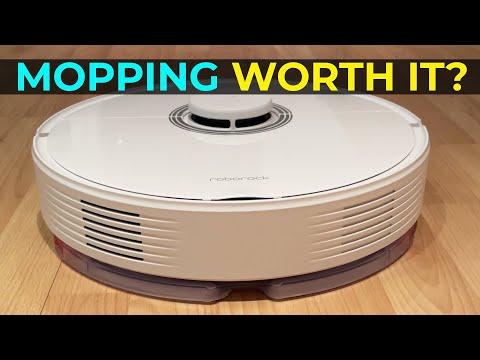
3.1 How the Mopping System Works (and Why It’s Limited)
Let’s set expectations right away: this is not a scrubbing robot.
The Q7 Max+ uses what’s called a passive drag mop. That means it wets a microfiber pad and literally drags it across your floor as it moves. No spinning. No vibrating. No “scrubbing power.”
The system itself is straightforward:
- Fill the integrated water tank
- Attach the mop pad underneath
- Adjust water flow in the app
- Let it run
3.2 What It Cleans Well: Dust, Footprints, and Light Spills
Now here’s where the Q7 Max+ actually shines. If your floors are already “mostly clean,” this thing keeps them that way effortlessly.
- Fine dust that settles daily? Gone.
- Light footprints from kids or pets? Faded away.
- That slightly dull look on tile or hardwood? Freshened up.
Some testing even shows it handles everyday light spills and surface grime surprisingly well, especially if you increase water flow or run multiple passes. The floor never really gets that dirty in the first place.
3.3 Where It Falls Short: Dried Stains, Sticky Messes, and Carpets
What It Handles
- Surface dust and grit
- Fresh footprints
- Light maintenance mopping
Where It Fails
- Dried spills (coffee, sauce)
- Sticky residues (juice, grease)
- Automatic carpet detection (must set no-mop zones)
Since the mop pad stays attached and doesn’t lift automatically, you must set no-mop zones in the app or physically remove rugs before cleaning. Miss that step? You risk dragging a damp cloth over your rug. Not ideal.
3.4 Maintenance Reality: Water Tanks, Mop Pads, and Extra Work
Mopping isn’t “set it and forget it.” Every time you use it, you’re signing up for a few extra tasks:
- Refilling the water tank
- Removing and rinsing the mop pad
- Letting it dry properly to avoid musty smells
Unlike higher-end systems, the dock doesn’t wash the mop, dry the mop, or refill water. That’s all on you.
Compare that to the Q5+:
- It vacuums
- It empties itself
- You replace a bag occasionally
With the Q7 Max+, you’re adding a mini routine after each mopping run. Do you want less mopping… or less maintenance? Because with the Q7 Max+, you don’t get both.
4. Beyond Mopping: Features That Impact Daily Use
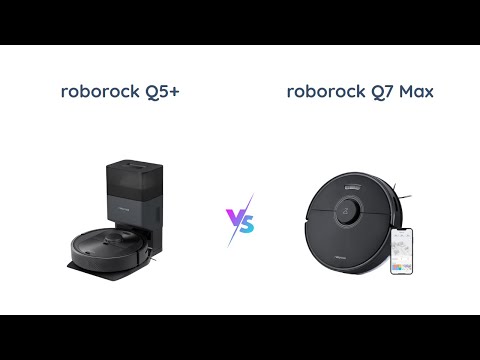
4.1 Navigation & Smart Mapping: Essentially Identical Experience
Here’s something most people don’t expect: once you press “start,” both robots behave almost exactly the same.
They use LiDAR (think of it like a tiny spinning laser that scans your home in 360° to build a precise map), and in daily use, that translates to clean, methodical paths instead of chaotic bumping around.
What does that feel like in real life?
- The robot moves in neat rows, not random zig-zags
- It remembers your rooms and cleans them in order
- You can send it to “just the kitchen” or “just the hallway” with a tap
And yes—both models support:
- Multi-floor mapping
- No-go zones
- Room-by-room cleaning
- Scheduled routines
Even speed and efficiency? Practically identical. In fact, broader testing shows Roborock’s navigation is consistently among the most efficient in its class, with high navigation efficiency scores in controlled testing—and both the Q5+ and Q7 Max+ benefit from that same system.
So if you’re hoping the higher price buys a “smarter” robot… it doesn’t.
They think the same. They clean the same. They move the same.
4.2 Brush Design & Pet Hair: Small Differences, Same Outcome
If you’ve ever spent a Saturday morning cutting hair out of a vacuum brush, you know this pain is real.
Both robots use rubber-style main brushes designed to reduce tangles—but there’s a subtle difference.
| Model | Brush Design |
|---|---|
| Q5+ | Older combo-style brush |
| Q7 Max+ | Upgraded bristle-less rubber roller |
Sounds like a big deal, right? In practice… not really.
Across comparisons and real-world feedback:
- Pet hair pickup is very similar on both
- Hard floor performance is nearly identical
- Carpets? Also close, unless you’re dealing with extreme shedding
Where the Q7 Max+ does have a slight edge is cleanup. Without bristles, hair tends to wrap less tightly, making it easier to pull off in one go.
4.3 Maintenance & Long-Term Simplicity: Q5+ Wins for Low Effort
This is where the difference becomes very real—long after the excitement of unboxing is gone.
At first, both feel equally “hands-off.” They vacuum, return to the dock, and empty themselves. Easy.
But fast forward a few weeks. With the Q5+, your routine looks like this:
- Replace the dust bag every few weeks
- Clean the brush occasionally
That’s it. Dry system. Minimal fuss. Now compare that to the Q7 Max+:
- Fill the water tank regularly
- Remove and wash the mop pad
- Let it dry properly (or deal with odor)
- Manage no-mop zones or remove rugs
So ask yourself: Do you want a robot that just quietly does its job… or one that helps more—but asks more from you in return?
Because when it comes to set-it-and-forget-it simplicity, the Q5+ is hard to beat.
5. Which One Should You Buy? Real-Life Scenarios (Cost vs Convenience)
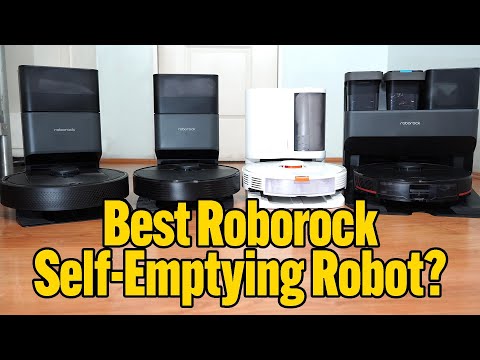
5.1 Choose the Q5+ If You Want the Best Value Vacuum
Let’s be honest—most people don’t want a “feature-packed” robot. They want one that just works. Every day. Without thinking.
If your home is heavy on carpets, rugs, or pet hair, the Roborock Q5+ hits a sweet spot. You press start, it cleans, it empties itself, and you move on with your life.
- No water tanks
- No damp pads
- No extra steps
And here’s the kicker: you’re not sacrificing real cleaning performance. Vacuuming is already on par with the Q7 Max+, so your floors will look just as clean where it matters most.
5.2 Choose the Q7 Max+ If You’ll Actually Use the Mop Weekly
Now—if you hate mopping, this is where things get interesting. Because the Roborock Q7 Max+ isn’t about replacing your mop. It’s about never letting your floors get that dirty in the first place.
Imagine this:
- Kitchen floors that always look freshly wiped
- No visible footprints building up during the week
- That slightly sticky feeling underfoot? Gone
When used consistently, it creates a “maintenance clean” effect. Your floors don’t just get cleaned—they stay clean. And that changes how your home feels day to day.
Check Price on Amazon for Roborock Q7 Max+5.3 Is the Mopping Upgrade Worth $100–$200 Over Time?
This is the decision that really matters. upfront, the Q7 Max+ costs more. But over time? It depends entirely on your habits.
Worth It If...
- You mop weekly for 30-45 mins
- You want to reduce full mopping sessions
- You want less visible buildup daily
Not Worth It If...
- You only mop occasionally
- You have mostly carpeted floors
- You don't want extra maintenance chores
So the real equation isn’t about specs—it’s about behavior:
- Use it often → Worth the investment
- Use it rarely → Waste of money
6. Conclusion: The Honest Verdict on the Mopping Upgrade
At the end of the day, this comparison is simpler than it looks.
Vacuuming performance? Essentially the same. Navigation, battery, automation? Also the same. The Roborock Q7 Max+ doesn’t clean better—it just does more.
And that “more” is mopping.
Buy the Q5+ for value and zero hassle. Buy the Q7 Max+ only if you’re ready to make mopping part of your routine.
If your home is mostly hard floors and you like the idea of consistently clean, freshly wiped surfaces without pulling out a mop every week, the upgrade makes sense. It’s a convenience play—and a good one, if you actually use it. But if you care about simplicity, low maintenance, or mostly just want great vacuuming? The Q5+ already delivers everything you need.
FAQ
Q: What is the main difference between Roborock Q5+ and Q7 Max+?
A: The primary difference is the mopping capability. The Q7 Max+ features an integrated water tank and a passive drag mop system for hard floors, whereas the Q5+ is a vacuum-only model. Both share similar LiDAR navigation and auto-empty dock compatibility.
Q: Does the Q7 Max+ have better suction than the Q5+?
A: While the Q7 Max+ is rated at 4200 Pa compared to the Q5+ at 2700 Pa, data-driven analysis shows minimal real-world difference in debris pickup on standard carpets and hard floors during daily cleaning tasks.
Q: Can the Roborock Q7 Max+ lift its mop on carpet?
A: No, the Q7 Max+ uses a fixed mop bracket. To prevent wetting carpets, users must manually set no-mop zones in the app or remove the mop cloth before the robot cleans carpeted areas.
Q: Is the Q7 Max+ mop effective for deep cleaning stains?
A: The Q7 Max+ uses a passive mopping system that drags a damp cloth. Aggregated user sentiment suggests it is excellent for maintenance and fine dust but struggles with dried-on or sticky stains that require scrubbing.
Q: Which model requires less maintenance?
A: The Roborock Q5+ requires less maintenance because it is a dry-only system. The Q7 Max+ requires regular water tank refills, washing of the mop pads, and management of no-mop zones to avoid dampening rugs.