
Robot Mower Wheel Slipping on Wet Grass: Causes & Proven Fixes (Stop Losing Traction Fast)
Aaron Cooper1. Introduction
You bought a robot mower to stop doing yard work… not to watch it spin its wheels like it’s stuck in quicksand. Yet here it is—sliding downhill, carving ugly ruts, or getting stranded halfway to the charging dock.
This isn’t random. It’s physics colliding with real-world lawn conditions: friction, moisture, terrain, and machine design all working against you. The good news? Once you understand what’s actually causing the slip, the fixes become surprisingly straightforward. In this guide, we’ll break down the real root causes—and how to stop the slipping fast.
2. Why Robot Mowers Slip on Wet Grass: The Real Root Causes
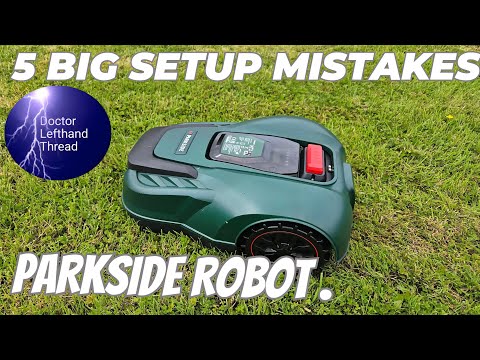
2.1 Moisture = Lost Friction: Why Wet Grass Becomes a ‘Lubricated Surface’
Here’s the uncomfortable truth: your lawn turns into a skating rink the moment it gets wet.
A thin layer of water—whether from rain or even morning dew—acts like a lubricant between the mower’s wheels and the grass blades. Instead of gripping, the wheels glide. That’s why you see that frustrating behavior: wheels spinning in place, the mower sliding sideways, or even drifting backward on a slope.
Independent field observations consistently show that traction drops significantly when grass is damp, with some estimates suggesting up to a noticeable reduction in grip on wet turf.
On flat lawns, this might just mean slower progress. But introduce even a mild incline? Suddenly your mower can’t climb, can’t turn cleanly, and sometimes can’t even stop itself from sliding.
Result? Spin. Slide. Repeat.
2.2 Soft Soil, Mud & Poor Drainage: When Your Lawn Itself Becomes the Problem
Now imagine this: not only is the surface slippery, but the ground underneath is soft and unstable. That’s when things go from annoying to destructive.
After rain, especially on clay-heavy or poorly drained lawns, the soil softens. Wheels don’t just slip—they sink. Once that happens, every rotation digs deeper, creating ruts that make future traction even worse.
This is what many users describe as the “mud slick effect.” The mower starts fine, then suddenly bogs down, spinning and carving grooves into your lawn. Each pass makes the problem worse, not better.
You might notice:
- Deep tire marks or torn grass
- The mower getting stuck in the same spot repeatedly
- Docking failures because the ground near the base is too soft
2.3 Slopes, Weight Distribution & Boundary Traps
Flat lawns are forgiving. Slopes? That’s where things fall apart—literally.
Every robot mower has a slope limit. But here’s what most people don’t realize: wet grass effectively lowers that limit. A slope your mower handles fine in dry conditions can become impossible when damp.
Why?
- Gravity is pulling the mower downhill
- Friction is reduced
- Weight shifts away from where it’s needed most
On climbs, especially with rear-driven designs, the front can become “light,” reducing stability. During turns, weight shifts sideways, causing one wheel to lose grip and spin.
Then there’s the sneaky one: boundary traps. When a mower reaches the edge of your lawn on a slope, it has to stop, reverse, and turn. But on wet grass, that transition often fails. Instead of turning cleanly, it slides—sometimes right past the boundary wire.
You’ll recognize it instantly:
- The mower struggles only near edges or corners
- It slides while trying to turn
- It keeps retrying the same spot and failing
2.4 Wheel Design & Mud-Clogged Treads: When Tires Turn into Slicks
Even the best mower is only as good as its tires. Those chunky tread patterns on your wheels? They’re designed to bite into the grass and channel away debris. But in wet conditions, they can betray you.
Mud and wet clippings pack into the grooves, filling them completely. What was once a grippy tire becomes something closer to a racing slick. No tread = no traction.
You might notice:
- Wheels look smooth instead of textured
- Slipping gets worse over time, not better
- The mower struggles even on areas it handled earlier
3. How to Fix Robot Mower Slipping (Practical Solutions That Actually Work)
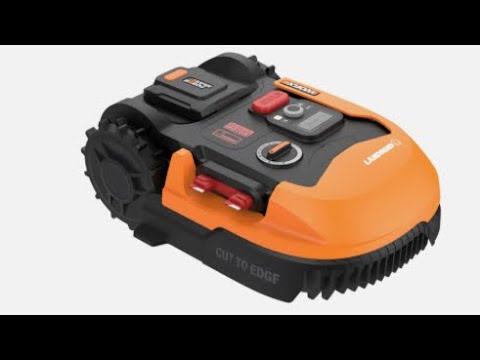
3.1 Smart Scheduling: Stop Mowing at the Worst Possible Time
Let’s start with the easiest fix—the one that costs nothing but solves a huge percentage of slipping problems. Timing.
Most slipping issues happen because the mower is running at the exact worst moment: early morning dew, right after rain, or when the soil is still soft.
So what actually works?
- Delay mowing until the lawn surface feels dry underfoot
- Avoid running immediately after irrigation or rainfall
- Shift schedules to late morning or afternoon when moisture has evaporated
3.2 Maintenance Matters: Clean Wheels, Sharp Blades, Clear Deck
If your mower is slipping everywhere—not just in one spot—this is where you look next. Wet grass creates buildup fast. Clippings stick under the deck, wrap around axles, and pack into wheel treads.
| Maintenance Area | Impact on Traction |
|---|---|
| Wheel Treads | Remove packed mud to restore grip patterns. |
| Undercarriage | Clear clumps to prevent unnecessary drag and weight. |
| Blades | Sharp blades ensure the mower doesn't struggle through thick grass. |
3.3 Traction Upgrades: Wheels, Spikes & Terrain Kits
If you’ve fixed timing and maintenance but your mower still slips—especially on slopes—this is where hardware starts to matter.
Pros of Hardware Upgrades
- High-traction wheels provide deeper mechanical grip
- Terrain kits add weight for better ground contact
- Wheel spikes physically bite into soil (like cleats)
Cons of Hardware Upgrades
- Potential for increased turf disturbance
- Additional cost for specialized kits
3.4 Fix the Lawn, Not Just the Mower
Sometimes the mower isn’t the problem at all. Your lawn is. Fixing trouble spots creates permanent traction improvements.
Common trouble spots to address:
- Low areas where water collects
- Clay-heavy soil that stays wet for hours (or days)
- Shaded zones that never fully dry
- Moss or thatch that holds moisture like a sponge
4. When to Upgrade: Choosing a Robot Mower That Handles Wet & Slippery Lawns
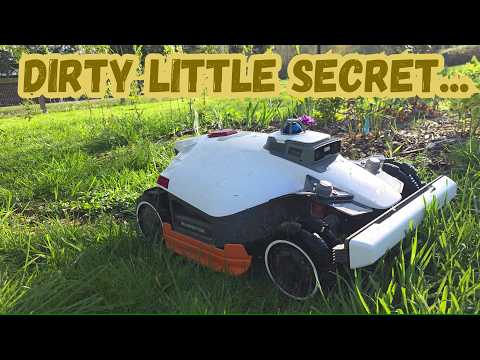
4.1 AWD vs 2WD: Why Drive System Matters More Than You Think
Here’s the hard truth: if your mower constantly slips on wet slopes, it might not be a “fixable” problem—it might be a drive system limitation.
Most entry-level robot mowers use 2WD (typically rear-wheel drive). That’s fine on flat, dry lawns. But introduce moisture and incline, and things fall apart fast. Weight shifts, traction drops, and suddenly those two drive wheels just spin.
- Fine on dry days
- Completely unreliable after rain
- Struggles most on hills and during turns
AWD (All-Wheel Drive) changes that equation completely.
Instead of relying on two wheels to push the entire machine uphill, AWD distributes power across four contact points. So even if one or two wheels lose grip, the others keep pulling.
Industry comparisons consistently describe AWD as offering significantly stronger traction on wet grass and slopes, especially in uneven terrain where weight constantly shifts.
Does that mean AWD is perfect? Not quite.
Pros
- Better grip
- fewer stalls
- more stable climbing
Cons
- Higher cost
- slightly more complex maintenance
But if your lawn includes slopes + frequent moisture, this isn’t an upgrade—it’s often the difference between “works occasionally” and “just works.”
4.2 Key Features for Wet Conditions: Rain Sensors, Torque & Tire Design
Not all robot mowers are built for wet conditions—even if the marketing says they are.
So what actually matters?
First: rain awareness.
A mower with a rain sensor doesn’t try to be a hero. It detects moisture and heads back to the dock before traction becomes a problem. That alone can eliminate most slipping scenarios.
Second: torque and motor strength.
Wet grass is heavier, thicker, and harder to cut. That extra resistance doesn’t just affect blades—it affects movement. A mower with stronger drive motors maintains momentum instead of stalling and spinning.
Third: tire design.
This one’s massively underrated.
- Shallow tread = slides on wet grass
- Deep, aggressive tread = bites into the surface
- Self-cleaning patterns = prevent mud buildup
And here’s a common misconception:
Waterproof ratings (like IPX4 or higher) protect electronics—but they don’t improve traction. A mower can survive rain and still slide all over your lawn.
So when choosing a mower for wet conditions, focus less on “can it get wet?” and more on:
- Can it maintain grip?
- Can it push through resistance?
- Can it avoid bad conditions entirely?
That’s what actually keeps it moving.
4.3 Extreme Lawns: When You Need Tracks or High-Traction Systems
Some lawns push robot mowers beyond their limits. If yours feels like a mini ski slope after every rainfall, even AWD might struggle.
This is where tracked systems or extreme-traction designs come in.
Instead of wheels, tracked mowers use continuous treads—like a tank. That changes everything:
- Weight is spread over a larger surface area
- Ground pressure is reduced
- Traction becomes far more consistent on soft or wet soil
In fact, some designs show a substantial reduction in ground pressure compared to traditional wheels, which helps prevent sinking and rutting in muddy conditions.
The result? Less digging into soft ground, more stable climbing, and far fewer “stuck” scenarios.
But let’s be real—this isn’t for everyone.
Tracked or extreme-terrain systems are best for:
- Steep slopes that regularly get wet
- Clay-heavy or poorly drained soil
- Large properties where manual intervention isn’t practical
For a typical suburban lawn, it’s overkill.
For a challenging hillside? It can be the only thing that works.
5. Step-by-Step Troubleshooting: Find the Exact Cause in Minutes

5.1 Where Does It Slip? (Slope, Dock, or Everywhere)
Before you buy anything or start tweaking settings, pause for a second and observe.
Where exactly is the slipping happening?
Because the location tells you almost everything.
| Location | Likely Cause |
|---|---|
| Only on slopes? | Likely traction + incline limits |
| Near the charging dock? | Soft ground or poor placement |
| In shady or damp areas? | Drainage or moisture retention issue |
| Everywhere after rain? | Timing + general traction problem |
This is the fastest way to avoid guesswork.
For example, if your mower fails only at the bottom of a hill near the boundary, you’re likely dealing with the classic “stop-and-turn” trap. If it spins right in front of the dock after rain, that area is probably too soft.
Patterns matter. Once you identify where it slips, you’ve already narrowed down why—and more importantly, what to fix first.
5.2 Check Lawn Conditions vs Machine Limits
Now ask the uncomfortable question:
Is the problem your mower—or your lawn?
Walk the trouble area yourself.
- Does the ground feel soft or spongy?
- Do your shoes pick up mud?
- Is water sitting on the surface?
If yes, no mower will perform well there. Period.
Next, compare your lawn to your mower’s limits:
- Steepest slope vs rated capability
- Soil firmness vs wheel design
- Grass thickness vs cutting power
Here’s what many people miss:
A slope that’s “within spec” when dry can behave like a much steeper slope when wet.
This step keeps you from wasting money on upgrades when the real fix is:
- Better timing
- Minor lawn improvements
- Or simply avoiding worst-case conditions
5.3 Quick Fix Decision Flow (What to Try First)
If you want results fast, follow this order. It’s based on what consistently works—not guesswork.
Start here:
-
Adjust timing
Stop mowing when the lawn is wet. Seriously—this alone solves a huge percentage of issues. -
Clean the mower
Clear wheel treads, remove buildup, sharpen blades. Restore baseline performance. -
Modify layout
- Move boundary wires away from steep edges
- Relocate the dock to firmer ground
- Reduce tight turns on slopes
-
Upgrade traction (if needed)
Add better wheels, spikes, or terrain kits—only if slipping persists in specific areas. -
Improve the lawn
Fix drainage, level ruts, reduce moss. Long-term solution. -
Consider upgrading the mower
If your lawn consistently exceeds what your current machine can handle, no amount of tweaking will fully solve it.
This order matters.
6. Conclusion
Robot mower slipping on wet grass isn’t a mystery—it’s physics. Reduce friction, soften the ground, add a slope, and even the best machine will struggle.
But here’s the good news: most cases are fixable.
Start simple. Adjust your mowing schedule, keep the machine clean, and avoid the worst conditions. Then move to smarter layout tweaks and traction upgrades if needed. Only after that should you consider replacing your mower.
Because in most situations, the biggest upgrade isn’t new hardware—it’s using your current setup more intelligently.
Get that right, and suddenly your mower stops spinning…
…and starts doing exactly what you bought it for.
FAQ
Q: Why does my robot mower keep getting stuck on wet grass?
A: Wet grass acts as a lubricant, significantly reducing friction between the wheels and the turf. This causes wheels to spin in place, especially on slopes or during turns. Moisture also softens the soil, causing wheels to sink and create ruts that further trap the machine.
Q: Can I improve traction on my existing robot mower?
A: Yes, traction can be improved by installing high-traction wheels, terrain kits, or wheel spikes that provide mechanical grip. Additionally, keeping the wheels clean of mud and wet clippings ensures the tread remains effective. Adjusting your mowing schedule to avoid morning dew is also highly effective.
Q: Are all-wheel drive (AWD) robot mowers better for wet lawns?
A: AWD systems are significantly more effective on wet or slippery terrain. By distributing power to four contact points instead of two, the mower can maintain momentum even if one or two wheels lose grip, making it ideal for hilly or poorly drained properties.
Q: Should I let my robot mower run in the rain?
A: While many mowers are waterproof (IPX4+), mowing in rain is generally discouraged. Wet conditions lead to poor cut quality, increased mud buildup under the deck, and a higher likelihood of the mower sliding past boundary wires or damaging the turf through wheel spin.
Q: How do I stop my mower from sliding past the boundary wire?
A: Sliding usually occurs when a mower tries to stop or turn on a wet slope near the edge. To fix this, consider moving the boundary wire further back from steep inclines or upgrading to more aggressive tires that bite into the soil during transitions.