
Best Robot Vacuums for Hardwood Floors and Delicate Tile: Top Picks That Clean Without Scratches or Water Damage
Aaron Cooper1. Introduction
Hardwood floors and delicate tile look stunning—until you see the fine scratches, scattered grit, or worse… water damage creeping into the seams. One wrong robot vacuum can turn daily cleaning into long-term regret.
The good news? Modern robot vacuums are no longer those “bumper car” cleaners from a decade ago. With smarter navigation, softer materials, and controlled mopping, they’re finally safe for sensitive floors.
2. What Makes a Robot Vacuum Safe for Hardwood Floors and Delicate Tile?
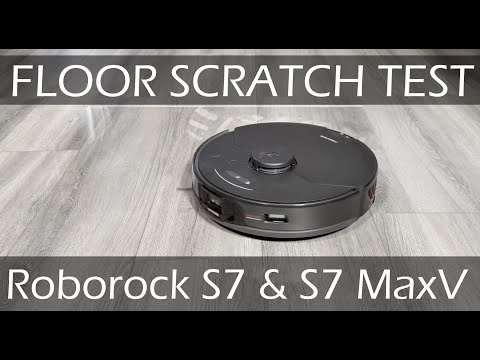
2.1 Brushes, Wheels, and Design: Preventing Micro-Scratches
Here’s the uncomfortable truth: most floor damage doesn’t come from the robot itself—it comes from what it drags across your floor.
That’s why premium robot vacuums have moved away from stiff bristle brushes. Instead, they use rubberized or soft rollers that glide over surfaces while still grabbing dust and debris. The difference is night and day. No scraping. No harsh friction. Just smooth contact.
Wheels matter just as much. Soft, rubber-coated wheels prevent abrasion and reduce the risk of embedded grit being dragged across your floors. Cheaper models with hard plastic wheels? That’s where problems start.
Industry guidance consistently emphasizes that trapped debris combined with hard components is one of the biggest causes of floor damage as highlighted in floor safety research.
- Soft materials = safer floors.
- Hard plastic + debris = slow damage you won’t notice until it’s too late.
2.2 Navigation Matters: Why LiDAR and AI Prevent Floor Damage
You might not think navigation affects floor safety—but it absolutely does.
Older robot vacuums used to bounce around randomly, constantly bumping into furniture, baseboards, and chair legs. Over time, that repeated impact can leave scuffs, especially on delicate tile edges or wood trim.
Modern robots use LiDAR (laser-based mapping that scans your home like a 3D blueprint) and AI obstacle avoidance to move with intention instead of chaos. They don’t just clean—they plan.
What does that look like in real life?
Instead of ping-ponging across your living room, a LiDAR-powered robot moves in clean, straight lines. It slows down near obstacles. It avoids cables, pet toys, and fragile items. Some systems even recognize objects before touching them.
The result? Less friction. Fewer collisions. More even cleaning coverage.
You’ll also notice fewer repeat passes over the same gritty area—which matters more than you think. Repeated friction is what gradually wears down finishes. Smart navigation minimizes that risk entirely.
In short, better navigation isn’t just about efficiency—it’s about preserving your floors long-term.
2.3 Is Mopping Safe for Hardwood? What You Need to Know
This is where most people get nervous—and for good reason.
Water is the fastest way to ruin hardwood floors. Too much moisture can seep into seams, causing swelling, warping, or permanent finish damage. That’s why many people avoid robot mops entirely.
Modern robot vacuums don’t just “drag a wet cloth around.” The good ones carefully regulate water flow, keeping the pad damp—not soaked. Some even lift the mop automatically when crossing onto rugs or sensitive areas.
Still, there are clear rules you shouldn’t ignore:
- Only mop sealed hardwood (never unfinished or damaged floors)
- Use low water settings—always
- Avoid letting moisture sit or pool along edges
- Use no-mop zones for risky areas
Consumer testing organizations consistently warn that while hybrid robots are convenient, water should be used cautiously on hardwood and often avoided in favor of tile-only mopping.
For tile, though? That’s where mopping shines. Especially in kitchens or bathrooms, controlled systems can clean grout lines and sticky messes without spreading dirty water around.
Vacuuming is always safe.
Mopping is safe—when controlled.
Uncontrolled water? That’s where problems start.
3. Top Robot Vacuums for Hardwood Floors and Delicate Tile

3.1 Best Overall for Hardwood Floors: Roborock Saros 10R
If your home is mostly hardwood, this is the kind of performance that makes you stop worrying about cleaning altogether.
Independent testing consistently ranks the Roborock Saros 10R as one of the top performers for hardwood floor cleaning, and it shows in how it handles the details that actually matter—fine dust, edges, and consistency.
Because here’s the real frustration with hardwood: it looks clean… until sunlight hits it. Suddenly, you see every speck of dust, every trail of debris along the edges.
This is where the Saros 10R stands out. It doesn’t just push debris around—it actually removes it, leaving very little behind, even along baseboards and corners where most robots struggle.
Pros
- Spotless hardwood performance
- Zero residue left behind
- Advanced navigation minimizes floor wear
Cons
- Mopping capabilities are not the main focus
- Not ideal for heavy-duty scrubbing
3.2 Best Premium All-in-One: Narwal Freo Z Ultra
Now, what if your home isn’t just hardwood? What if you’ve got tile in the kitchen, wood in the living room, and rugs scattered everywhere?
That’s where the Narwal Freo Z Ultra comes in—and it’s built specifically for that kind of mixed-floor reality.
This model combines strong suction with thoughtful floor protection features: soft wheels, anti-tangle brushes, and AI-powered navigation that helps it avoid obstacles without constant bumping or scraping.
Pros
- Safe for hardwood, tile, and vinyl
- Dual cameras and AI detection for precise movement
- Managed moisture control for mopping
Cons
- Mopping system requires careful setup
- Potential for excess moisture near edges if not configured
3.3 Best for Pet Hair on Hard Floors: Eufy RoboVac X8
If you have pets, you already know the struggle.
Hair gathers in corners. It clings to baseboards. It somehow appears five minutes after you’ve cleaned. And on hardwood? It’s impossible to ignore.
The Eufy RoboVac X8 is built for exactly this situation.
According to consumer testing, it performs especially well on bare floors and pet hair pickup, making it a reliable choice for homes where fur is part of daily life. It doesn’t just collect visible hair—it handles the fine debris that settles into floor seams and edges.
Pros
- Excellent pet hair pickup on bare floors
- Handles fine debris in seams and edges
- Non-aggressive cleaning balance
Cons
- Lacks advanced mopping features
- Focused strictly on vacuuming performance
3.4 Best for Tile with Mopping Needs: Eufy Omni S1 Pro
Tile floors come with a different kind of headache.
Dust settles into grout lines. Spills turn sticky. And traditional robot mops? They often just smear dirty water around, leaving a dull film behind.
The Eufy Omni S1 Pro tackles that problem directly with its HydroJet mopping system, designed to clean while preventing dirty water from being spread across your floors.
Pros
- Prevents dirty water cross-contamination
- Strong suction for grout lines
- Precise navigation for kitchens and bathrooms
Cons
- Optimized for tile first; less ideal for hardwood-only homes
4. Performance Comparison: Which Robot Vacuum Is Best for Your Home?
4.1 Cleaning Performance on Hard Floors: Fine Dust, Debris, and Edges
Here’s the thing nobody tells you: hardwood floors don’t hide dirt—they highlight it. Fine dust, pet hair, tiny crumbs… they’re all visible, especially in sunlight.
So performance isn’t about “can it clean?” It’s about how much it leaves behind.
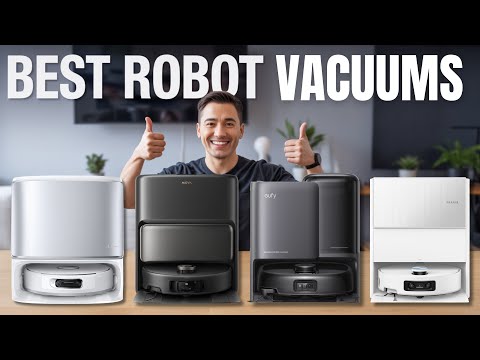
Independent testing shows a clear gap between top-tier and average models. The best performers—like the Eufy S1 Pro and Roborock Saros 10R—consistently remove nearly all fine debris in controlled tests, with pickup rates approaching near-total hard floor debris removal under lab conditions. That translates to fewer passes, less grinding of grit, and a noticeably cleaner finish.
You walk barefoot. No crumbs. No dust film. Just clean.
Edge cleaning is where many robots fail. Dust lines along baseboards? That’s usually weak side brushes or poor pathing. Models like the Saros 10R stand out because they leave very little residue along edges—something repeatedly highlighted in testing summaries.
Mid-range models still do a good job, but you may notice:
- Slight debris left near walls
- More passes required
- Occasional scattering of larger particles
4.2 Navigation and Smart Features: From LiDAR to AI Obstacle Avoidance
Let’s talk about something that quietly makes or breaks your experience: navigation.
Because the real frustration isn’t just missed dirt—it’s babysitting your robot.
Modern systems use LiDAR (laser mapping that scans your home like a blueprint) combined with AI cameras to avoid obstacles. The difference is dramatic.
Instead of randomly bumping into everything, these robots:
- Move in clean, systematic lines
- Avoid cables, toys, and furniture legs
- Reduce repeated friction on the same areas
In real-world testing and video demonstrations, LiDAR-based robots consistently map rooms faster and clean more efficiently—even in low-light conditions where camera-only systems struggle.
Take models like the Narwal Freo Z Ultra. Its AI-powered obstacle detection allows it to navigate around clutter without constant intervention. That means fewer collisions, fewer scuffs, and less pre-cleaning before every run.
Premium navigation (LiDAR + AI)
- Smooth, hands-off cleaning
- Minimal collisions
- Best for busy homes
Basic navigation
- More bumping
- More randomness
- More wear over time
If you’ve ever had a robot get stuck under a chair… you already know which side you want to be on.
4.3 Value by Budget: Premium vs Mid-Range vs Budget Picks
Let’s be real: not everyone needs a $1,000+ robot vacuum. But choosing the wrong tier can cost you time, effort, and even floor damage.
Here’s how the value actually breaks down:
| Tier | What You Get | Best For | Trade-Offs |
|---|---|---|---|
| Premium ($1,000+) | Top-tier navigation, near-perfect pickup, advanced mopping, self-maintenance | Large homes, mixed flooring, busy households | High upfront cost |
| Mid-Range ($700–$1,000) | Strong cleaning, decent navigation, some automation | Medium homes, balanced needs | Slightly less precise, fewer premium features |
| Budget (<$700) | Basic cleaning, limited navigation | Small spaces, light maintenance | More bumping, less consistent results |
But if you just want daily upkeep in a smaller space? A mid-range or even budget option can still save you hours every week.
Mid-range—where performance meets practicality.
5. How to Protect Hardwood Floors and Delicate Tile Long-Term
5.1 Avoiding Scratches: Maintenance Tips That Actually Matter
Here’s the part most people skip—and it’s exactly why floors get damaged.
Even the best robot vacuum can turn into a scratch machine if you ignore maintenance.
Think about what’s happening underneath: tiny bits of sand, grit, or even cat litter get trapped in wheels or brushes. Now imagine that being dragged across your floor dozens of times a week.
That’s not cleaning. That’s polishing your floor… the wrong way.
Industry guidance is blunt about this: trapped debris is one of the biggest causes of long-term floor damage. Not the robot itself—the stuff it carries.
So what actually works?
- Clean the main brush and wheels regularly
- Check for embedded grit before runs
- Remove tangled hair (especially if you have pets)
- Don’t let debris build up between cleanings
It sounds simple. It is. But it’s the difference between floors that stay pristine for years—and floors that slowly lose their shine.
5.2 Safe Mopping Practices: Moisture Control and Cleaning Solutions
Water is where things get risky—fast.
Too much moisture doesn’t just clean your floor… it seeps into seams, weakens finishes, and causes warping over time. And the worst part? You won’t notice until it’s too late.
The golden rule is simple:
Damp, not wet. Always.
Modern robots help by controlling water flow, but you still need to set them up correctly.
Here’s what actually protects your floors:
- Use the lowest water setting on hardwood
- Only mop sealed wood surfaces
- Avoid letting water sit along edges or seams
- Use neutral, manufacturer-approved cleaning solutions
On tile, you have more flexibility—but even there, over-wetting can affect grout and leave residue behind.
The best setups don’t flood your floor. They lightly refresh it—like a barely damp microfiber cloth. That’s the sweet spot.
5.3 Smart Setup Tips: No-Go Zones, Scheduling, and Floor-Specific Modes
Want to make your robot vacuum feel truly “set it and forget it”? This is where the magic happens.
Most people just press start and hope for the best. But the real power is in the app.
With proper setup, you can:
- Create no-go zones to protect fragile areas
- Set no-mop zones for hardwood sections
- Schedule cleaning when floors are clear of clutter
- Customize modes for different rooms (vacuum-only vs mop)
This matters more than you think.
And scheduling? It’s the ultimate life upgrade. Imagine waking up to clean floors every morning… without lifting a finger. No crumbs underfoot. No dust buildup. Just consistently clean surfaces.
That’s not luxury anymore. That’s just smart setup.
6. Conclusion
Choosing the right robot vacuum for hardwood floors and delicate tile isn’t about chasing the highest specs—it’s about protecting what matters.
The safest models combine soft materials, precise navigation, and controlled mopping to clean thoroughly without causing damage. Whether it’s the near-perfect pickup of the Roborock Saros 10R, the all-in-one flexibility of the Narwal Freo Z Ultra, or a pet-focused option like the Eufy RoboVac X8, the best choice depends on your home and lifestyle.
Gentle cleaning + smart control = long-term floor protection. Because the goal isn’t just cleaner floors today… It’s keeping them beautiful for years to come.
FAQ
Q: Are robot vacuums safe for unsealed hardwood floors?
A: Most manufacturers and floor experts advise against using robot vacuums with mopping functions on unsealed hardwood. Moisture can easily penetrate the wood fibers, leading to warping or swelling. For unsealed floors, it is recommended to use the vacuum-only mode with soft rubber rollers to ensure long-term preservation.
Q: How do LiDAR-based robots protect delicate tile and wood?
A: LiDAR technology allows robots to map your home with millimeter precision, creating a systematic cleaning path. This prevents the robot from repeatedly bumping into furniture or baseboards, which reduces the risk of scuffing delicate surfaces and ensures that debris isn't unnecessarily ground into the floor finish.
Q: Can robot vacuums scratch high-gloss tiles?
A: Scratches generally occur when grit or sand becomes trapped under the robot's wheels or brushes. To prevent this, it is essential to regularly clean the robot's underside and choose models with soft rubberized wheels and brushes rather than stiff plastic bristles that can drag debris across the surface.
Q: What is the benefit of a clean water tank system for tile?
A: Systems like the Eufy Omni S1 Pro use active water management to ensure that only fresh water is applied to the floor. This prevents cross-contamination, where dirty water from one area is spread across the entire floor, ensuring a more hygienic and streak-free finish on polished tile surfaces.
Q: How often should I replace brushes to protect my floors?
A: For optimal floor protection, you should inspect brushes every month and replace them every 6 to 12 months. Worn brushes can lose their softness or accumulate hardened debris, which increases friction and the potential for micro-scratches on sensitive hardwood or tile finishes.