
Shark AI Ultra Robot Vacuum Review: Spec and Feedback Breakdown
Aaron Cooper1. Introduction
If you’re tired of spending weekends chasing dust, pet hair, and crumbs across your floors, you’ve probably looked at robot vacuums that promise “hands-free cleaning”—and wondered which ones actually deliver. The Shark AI Ultra Robot Vacuum sits right in that sweet spot: a mid-range model that brings premium features like LiDAR mapping and a self-empty base without the flagship price tag.
In this review, we’ll break down what you really get—specs, real-world cleaning performance, navigation intelligence, and everyday usability—so you can decide if this is a smart upgrade or just another overhyped gadget.
2. Shark AI Ultra Specs Explained: What You Actually Get
2.1 Core Hardware: LiDAR Navigation, Self-Empty Base, and Runtime
Let’s start with the stuff that actually changes your daily life.
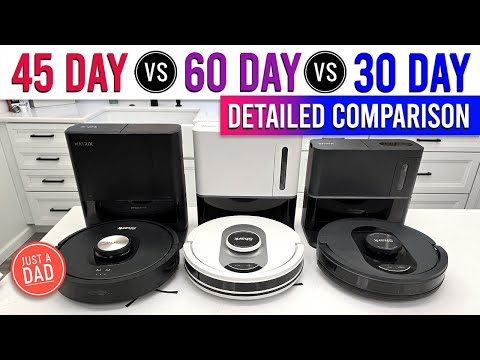
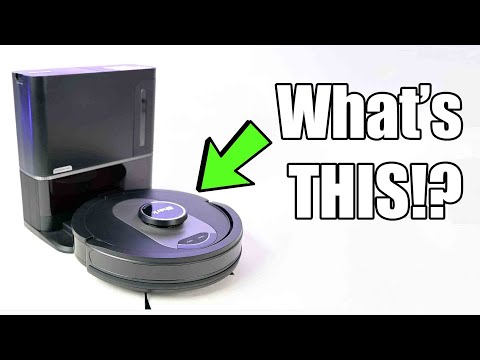
At its core, the Shark AI Ultra (models like AV2501AE and RV2502AE) is built around LiDAR navigation—that spinning laser turret on top. Think of it like giving the robot a “night vision map” of your home. Unlike older bump-and-go bots, this one moves in clean, methodical rows. No randomness. No missed rooms. Just structured, room-by-room cleaning—even in the dark.
Battery-wise, Shark claims around 120 minutes of runtime, which aligns with what most mid-range LiDAR robots deliver. In real homes, that translates to cleaning an average-sized space in one go—or automatically recharging and resuming if needed. You don’t babysit it. It just finishes the job.
Then there’s the real game-changer: the self-empty base. After each run, the robot empties itself into a larger dock, so you’re not dumping dust every day. It’s the difference between “another chore” and actually forgetting vacuuming exists.
Bottom line: this isn’t a basic robot vacuum. It’s built for people who want automation that actually sticks.
2.2 Bagless Self-Empty System: A Cost-Saving Advantage or Trade-Off?
Here’s where Shark does something different—and honestly, a bit controversial.
Most robot vacuums with self-empty bases use disposable dust bags. Shark doesn’t. Instead, you get a bagless base that holds debris for up to about 60 days before you need to empty it.
On paper, that sounds amazing. And in practice? It kind of is.
No recurring cost. No buying replacement bags. No realizing you’re out of supplies right when the bin is full. Over time, that’s real money saved—and less hassle.
But let’s talk about the part most reviews gloss over.
Pros
- Lower long-term cost
- More eco-friendly
- Transparent bin
Cons
- Slightly messier emptying experience compared to bagged systems
In everyday use, though, this system still delivers on its promise: fewer interruptions, less maintenance, and way less time thinking about vacuuming.
2.3 Smart Features and App Control: What You Can (and Can’t) Do
Now let’s talk about control—because a robot is only as smart as the system behind it.
The Shark AI Ultra connects to the SharkClean app, which gives you all the essentials:
- Start or schedule cleanings
- View maps of your home
- Send the robot to specific rooms
- Set no-go zones
- Adjust cleaning modes
- Use voice commands with Alexa or Google Assistant
On paper, it checks all the boxes. And for most people, it works exactly as expected.
But here’s the honest take: this is where Shark feels a bit… mid-range. Compared to premium competitors, the app is functional—but not flawless. Some users report occasional glitches, like maps resetting or the robot showing as offline. Others mention that customization options aren’t as deep as what you’d get from higher-end brands.
If you just want to tap “clean the living room” and move on with your day—it works great. If you’re the type who wants ultra-detailed control over every cleaning pass and setting—you might feel limited.
Still, for most busy households, the app does what matters: it turns vacuuming into something you barely think about. And honestly, that’s the whole point.
3. Real-World Cleaning Performance: Floors, Carpets, and Pet Hair
3.1 Hard Floor Performance: Where It Truly Shines
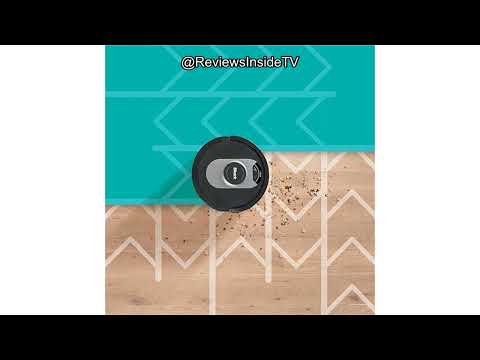
Let’s be real—this is where the Shark AI Ultra earns its keep. Hard floors are the battlefield most homes deal with daily: dust, crumbs, pet hair, random debris that somehow appears overnight. And this robot handles it exceptionally well.
Across independent testing, it achieved an almost perfect 99.8% debris pickup on hardwood floors, which puts it firmly in “top-tier performance” territory for this category.
It means walking barefoot across your floor and not feeling that gritty layer of dust or stray litter. It means cereal crumbs, sand, and everyday mess just… disappear. The CleanEdge feature also helps here. Instead of ignoring edges like many round robots do, it pushes debris away from walls and into the brush path.
If your home is mostly hardwood, tile, or vinyl, this robot doesn’t just clean—it maintains that “always tidy” feeling. And once you get used to that? It’s hard to go back.
3.2 Carpet Cleaning: Good, But Not Flagship-Level
Carpet is where things get more nuanced. The Shark AI Ultra performs well on low and medium-pile carpets, picking up everyday debris like dust, crumbs, and light dirt without much trouble. It’s consistent, reliable, and—importantly—good enough for most homes.
But if you’re expecting that deep, “just shampooed” carpet feel? That’s not what this is built for. Independent testing and user feedback consistently place it in the “good, not best-in-class” category for carpet cleaning.
Ideal For
- Daily maintenance cleaning
Not Ideal For
- Deep carpet restoration
- Thick, high-pile rugs
And honestly, that’s the trade-off for staying in the mid-range price bracket. For mixed-floor homes, it does the job. Just don’t expect flagship-level carpet extraction.
3.3 Pet Hair Reality Check: Mixed Results You Should Know
If you’re a pet owner, this is the section you actually care about. And here’s the honest answer: it’s a mixed bag.
On hard floors, pet hair pickup is solid. It gathers loose fur effectively and keeps things under control—especially if you run it regularly. Many users find it more than adequate for day-to-day maintenance.
But carpets tell a different story. In controlled tests, pet hair performance has been described as below average, with some hair getting pushed around or left behind—especially along edges. Even more importantly, long hair tends to wrap around the brush roll.
- Moderate shedding pets: Manageable and convenient.
- Heavy shedding or long hair: Expect extra maintenance.
It’s not a “set it and forget it forever” solution for pet owners—but it still reduces a huge amount of daily cleaning effort. And for most people, that trade-off is still worth it.
4. Navigation and Obstacle Avoidance: Smart Mapping vs “AI” Reality
4.1 LiDAR Mapping and Coverage Efficiency
This is where the Shark AI Ultra genuinely feels… smart.
That spinning LiDAR turret on top isn’t just for show. It works like a 360° radar system—constantly scanning your home, measuring distances, and building a precise map in real time. In simple terms? It knows where it is, where it’s been, and where it still needs to go.
The result is a methodical, grid-like cleaning pattern. No random bouncing. No awkward zig-zags. Just clean, parallel lines that make your floors look freshly vacuumed—even on carpet.
In real-world use, this translates to high coverage and fewer missed spots. Independent observations consistently show that it cleans most of the accessible floor space efficiently, rarely leaving large untouched areas.
It’s not just moving around your home. It’s mapping it—like a tiny, laser-guided housekeeper.
And once you see those clean, straight lines across your floors? It’s oddly satisfying.
4.2 Obstacle Avoidance: Where It Falls Behind Competitors
Now let’s address the “AI” part—because this is where expectations need a reality check.
Despite the name, the Shark AI Ultra doesn’t use advanced camera-based object recognition like higher-end robots. Instead, it relies on LiDAR for mapping and a physical bumper (plus basic sensors) to detect obstacles.
Translation? It’s more “feel and adjust” than “see and avoid.”
In practice, that means:
- Chair legs and walls → handled smoothly
- Larger objects → usually detected early
- Small items (cables, socks, pet toys) → often not avoided
If you’ve ever had a robot vacuum eat a phone charger cable… yeah, that can still happen here.
Compared to premium competitors with camera AI systems, this is clearly a step behind. Those models can recognize objects before touching them. This one usually reacts after contact.
The workaround? Simple but important: do a quick floor check before running it. Pick up cables, small items, and anything you don’t want dragged across the room.
It’s not fully “set it and forget it.” But it’s close—if your floors are relatively tidy.
4.3 Everyday Navigation Experience: Reliable but Not “Hands-Free Perfect”
So what does all of this feel like day-to-day?
Honestly—pretty reliable, with a few caveats.
Most of the time, the Shark AI Ultra moves confidently through your home. It transitions between rooms smoothly, follows logical paths, and returns to its dock without drama. You’ll see it trace edges, then fill in the center with neat back-and-forth passes.
It’s consistent. Predictable. Efficient.
But not flawless.
You may notice:
- Slight misses in tight corners
- Occasional hesitation around cluttered areas
- Rare situations where it gets stuck if something tricky is left out
And yes, sometimes it will bump into furniture. Not aggressively—but enough to remind you it’s still a robot, not a human.
The key mindset shift? Think of it as “low-maintenance cleaning,” not “zero-effort perfection.”
Give it a reasonably tidy space, and it rewards you with clean floors and saved time. Ignore clutter completely, and you’ll step in occasionally.
Still, compared to older random-navigation robots, this feels like a massive upgrade.
It doesn’t just wander. It works with purpose.
5. Is the Shark AI Ultra Worth It? Value vs Competitors
5.1 Where It Delivers Strong Value
Let’s talk about the real reason this robot gets so much attention: value.
Because on paper—and in practice—the Shark AI Ultra packs features that used to be reserved for much more expensive models.
You’re getting:
- LiDAR navigation (structured, efficient cleaning)
- A self-empty base (less daily maintenance)
- A bagless system (no recurring costs)
- Solid performance on hard floors and everyday messes
That combination is rare in the mid-range category.
In fact, comparative testing shows it performs right alongside similarly priced competitors, even edging out some in navigation efficiency—like in one benchmark where it slightly outscored a comparable Roomba in overall performance metrics with a higher overall evaluation score.
But numbers aside, here’s what actually matters:
It saves you time. Consistently.
You stop thinking about vacuuming every day. You stop emptying bins constantly. You stop noticing crumbs on the floor.
And that’s the real value—not just specs, but the mental load it removes.
5.2 Where Competitors Still Win
That said, let’s not pretend it’s perfect.
There are clear areas where competitors—especially premium ones—pull ahead.
- Pet hair performance (especially on carpet): Robots from brands like Roomba (with dual rubber brushes) tend to handle pet hair more effectively, with less tangling and better pickup along edges.
- Obstacle avoidance: Camera-based systems from Roborock, iRobot, and others can identify and avoid small objects before touching them. The Shark AI Ultra? It still bumps first, thinks later.
- App experience: While functional, the SharkClean app isn’t as polished or feature-rich as top competitors. Advanced customization and reliability still lag behind.
Here’s a quick comparison snapshot:
| Feature | Shark AI Ultra | Premium Competitors (Roomba / Roborock) |
|---|---|---|
| Navigation | Strong LiDAR mapping | Equally strong or better |
| Obstacle Avoidance | Basic (bump-based) | Advanced (camera AI) |
| Pet Hair Handling | Good (hard floors), mixed (carpet) | Generally better overall |
| App Features | Solid but limited | More advanced & customizable |
| Maintenance Cost | Lower (bagless) | Higher (bags, parts) |
So yes—it wins on value. But not on every metric.
5.3 Best Fit Scenarios: Who Should (and Shouldn’t) Buy It
So who is this actually for?
Let’s make it practical.
You should strongly consider it if:
- Your home has mostly hard floors or low-pile carpet
- You want hands-off daily cleaning without spending flagship money
- You like the idea of a bagless system (no recurring costs)
- You have moderate pet hair, not extreme shedding
You may want to look elsewhere if:
- You have multiple heavy-shedding pets, especially with carpet
- Your home has lots of small obstacles (cables, toys, clutter)
- You want advanced AI obstacle avoidance
- You expect deep carpet cleaning performance
In those cases, spending more on a higher-end model could save you frustration later.
The bottom line?
This robot isn’t trying to be the smartest or most powerful on the market.
It’s trying to be the one that makes your life easier—at a price that still makes sense.
6. Conclusion: A Practical Mid-Range Robot That Gets the Job Done
The Shark AI Ultra doesn’t try to be everything—and that’s exactly why it works.
It delivers where it matters most: strong hard-floor cleaning, reliable LiDAR navigation, and a genuinely useful self-empty system that cuts down daily effort. Add in the bagless base, and you’re looking at a robot that saves both time and long-term cost.
But it’s not flawless. Pet hair on carpets can be inconsistent, obstacle avoidance is basic, and the app—while functional—doesn’t lead the category.
Still, for the right home, those trade-offs are easy to accept.
If your goal is simple—clean floors without constantly thinking about them—this is a smart, practical choice. Not perfect. But very effective.
FAQ
Q: Does the Shark AI Ultra use bags for its self-empty base?
A: No, the Shark AI Ultra features a bagless self-empty base. This design eliminates the need for recurring purchases of disposable bags, though it may release a small amount of dust when you manually empty the base bin into the trash.
Q: Can the Shark AI Ultra navigate in total darkness?
A: Yes, because it utilizes LiDAR (Light Detection and Ranging) technology. Unlike camera-based robots that require light to see, the LiDAR laser system allows the robot to map and navigate your home accurately even in pitch-black conditions.
Q: How does the Shark AI Ultra handle pet hair on carpets?
A: Based on aggregated performance data, it excels at picking up hair on hard floors but is considered average for carpets. Long pet hair can occasionally wrap around the brush roll, requiring periodic manual cleaning for optimal performance.
Q: Does it avoid small objects like charging cables?
A: Generally, no. While the LiDAR identifies walls and furniture, it lacks advanced camera AI to recognize small, low-profile items. It is recommended to clear cables, socks, and small toys from the floor before starting a cleaning cycle.
Q: What is the CleanEdge feature mentioned in reviews?
A: CleanEdge is a specific Shark technology designed to improve edge cleaning. The robot uses blasts of air to push debris out from corners and baseboards directly into the suction path, compensating for the limitations of its round shape.